US Stock Market Rally: Dow Jones Hits Record High; Nasdaq Surges Over 2%; Key Reasons Behind Wall Street Gains
Stocks
US equities kicked off August on a powerful note, with the Dow Jones Industrial Average closing at a fresh record high on Monday, supported by a sharp rally in technology stocks, easing crude oil prices and stronger-than-expected US manufacturing data. Investor sentiment also improved as hopes of easing tensions in the Middle East reduced concerns over global energy supplies, encouraging broad-based buying across Wall Street.
US Stock Market Latest Update: Dow Jones Closes at Record High as S&P 500 and Nasdaq Extend Rally
The Dow Jones Industrial Average climbed 693.38 points, or 1.32%, to end at a record 53,178.41. The S&P 500 gained 1.48% to finish at 7,600.50, moving within striking distance of its all-time high reached in early June, while the Nasdaq Composite outperformed with a 2.13% jump to 25,913.90, driven by renewed strength in heavyweight technology shares.
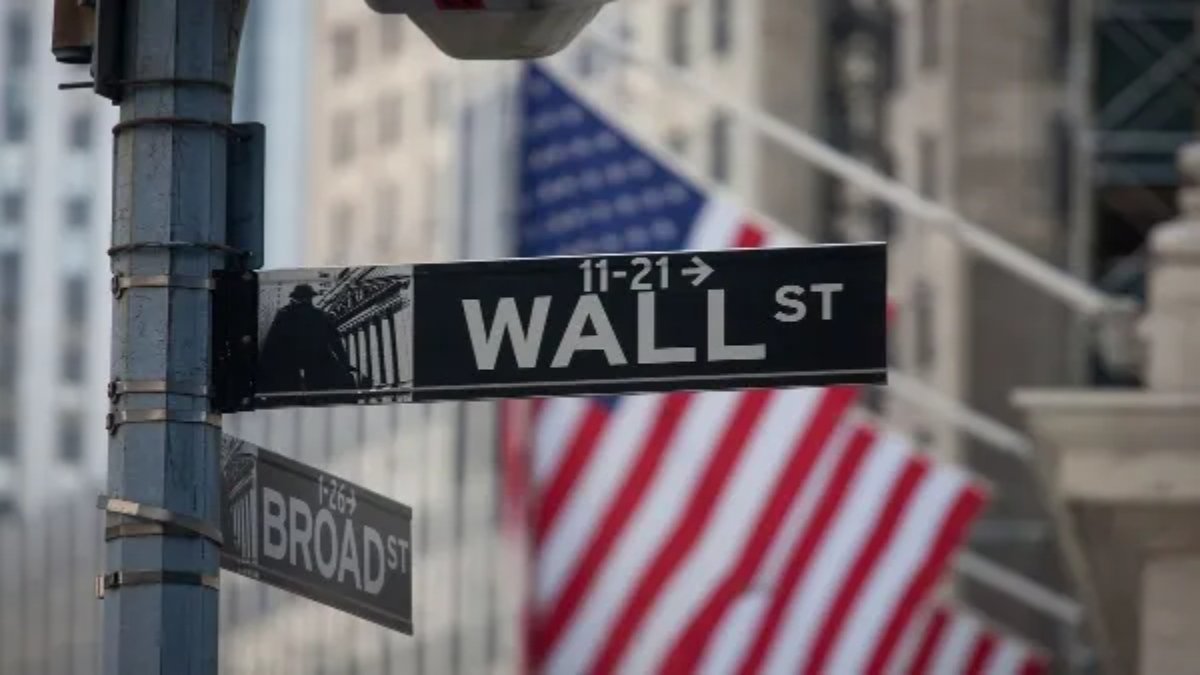
/img/2026/08/wall-street600-41701785810646.jpg "US Stock Market Rally")
What’s Behind US Stock Market Rally? Check Key Factors Triggering Wall Street
A combination of easing geopolitical risks, falling oil prices, resilient economic data and renewed buying in artificial intelligence (AI)-linked technology companies helped fuel Monday’s rally.
Meta, Amazon and Nvidia Lead Big Tech Stocks Rally on Wall Street
Technology and communication services stocks emerged as the biggest contributors to the market’s gains. Meta Platforms surged around 6%, while Amazon advanced more than 4%, pushing its market capitalisation beyond the USD 3 trillion milestone and marking a fresh record closing high. Alphabet and Microsoft each gained close to 5%, while Nvidia added nearly 3% as investors returned to AI-related stocks.
The renewed rally among the so-called “Magnificent Seven” technology companies provided a significant boost to both the Nasdaq Composite and the broader S&P 500, underlining the sector’s continued influence on overall US market performance.
Oil Prices Slide Nearly 5% as Strait of Hormuz Tensions Ease
A sharp decline in crude oil prices also played a major role in improving market sentiment. Brent crude slipped below USD 85 per barrel, while West Texas Intermediate (WTI) fell below USD 80 per barrel, with both benchmarks dropping by nearly 5% during the session.
The decline followed renewed optimism that shipping disruptions through the Strait of Hormuz may ease. Although public statements from Washington and Tehran remained inconsistent, reports suggesting diplomatic engagement involving the United States, Iran and Oman helped calm concerns over global oil supplies.
Lower energy prices are generally viewed as positive for equity markets because they reduce inflationary pressures and lower operating costs for sectors such as airlines, transportation, manufacturing and consumer goods.
Strong US Manufacturing Data Supports Economic Optimism
Market confidence received an additional boost after the latest US manufacturing data came in stronger than expected.
The US Manufacturing Purchasing Managers’ Index (PMI) rose to 55.6 in July, improving from 53.3 in June and comfortably exceeding market expectations. Since any reading above 50 indicates expansion, the latest figure pointed to continued strength in the country’s factory sector and marked its strongest performance in more than three years.
The data suggested that industrial activity remains resilient despite geopolitical uncertainty and ongoing policy challenges, reinforcing expectations that corporate earnings could continue to hold up in the coming quarters.
Treasury Yields Ease, Supporting Growth Stocks
Bond markets also provided a supportive backdrop for equities. The yield on the benchmark US 10-year Treasury eased to around 4.67% after trading near 4.74% in the previous session. Lower bond yields tend to benefit high-growth technology companies because they improve the present value of their future earnings.
US Dollar Index Holds Near 100
Meanwhile, the US Dollar Index (DXY) remained broadly stable around the 100 level, indicating relatively steady currency markets despite shifting expectations around interest rates.
Disclaimer: The views and recommendations expressed are solely those of the individual analysts or entities and do not reflect the views of Goodreturns.in or Greynium Information Technologies Private Limited (together referred as “we”). We do not guarantee, endorse or take responsibility for the accuracy, completeness or reliability of any content, nor do we provide any investment advice or solicit the purchase or sale of securities. All information is provided for informational and educational purposes only and should be independently verified from licensed financial advisors before making any investment decisions.