What happens to your EPF account when you take a career break for 1–2 years? Explained
Many people take a career break for a year or two, or even more for higher studies, family responsibilities, layoffs or health reasons. During such a break, one of the biggest concerns is what happens to the money accumulated in your provident fund (PF) account after leaving a job.
The good news is that your EPF account does not disappear when you stop working. The balance remain in your account and continues to belong to you. In most cases, the amount you and your previous employees had contributed so far keep earning EPF interest even if no fresh contributions are being made.
Till when will EPFO continue to pay interest?
The Employees’ Provident Fund Organisation (EPFO) continues to give you interest even after you stop working or leave your job, until you turn 58, according to the retirement fund body’s FAQ section.
However, if you stop working on or after attaining 55 years of age, EPFO will continue to give interest for a maximum period of 3 years. After that, the account becomes inoperative and interest is no longer credited.
The EPF interest rate is 8.25% per annum for the financial year 2025–26. This rate was recently processed and credited to over 34 crore member accounts on July 15, 2026, as announced by the government earlier.
Why withdrawing money early can prove costly?
Under the new EPF framework, notified last month, members can withdraw up to 75% of their EPF balance immediately after becoming unemployed. Meanwhile, the remaining 25% of the EPF balance will become available only after you complete 12 months of continuous unemployment.
Unlike the earlier framework, the eligible withdrawal amount now includes the employee’s contribution, the employer’s contribution and the interest earned, making the amount available to members larger than before in many cases.
But, if you decide to withdraw your EPF balance during the career break or spell of unemployment, there could also be tax implications depending on how long you were employed before leaving your job.
Members must note that your EPF withdrawal only becomes tax-free when you complete five years of continuous service. If you have completed at least five years and withdraw the amount because of retirement, resignation, disability, business closure or death, the entire EPF balance, including your contributions, employer contributions and the interest earned is exempt from tax.
What to do if your EPF interest or claim is delayed?
In some cases, the interest credited by EPFO may take some time to reflect in your passbook. Though it may be delayed, it is never denied if you have an eligible account, so members should not worry about that.
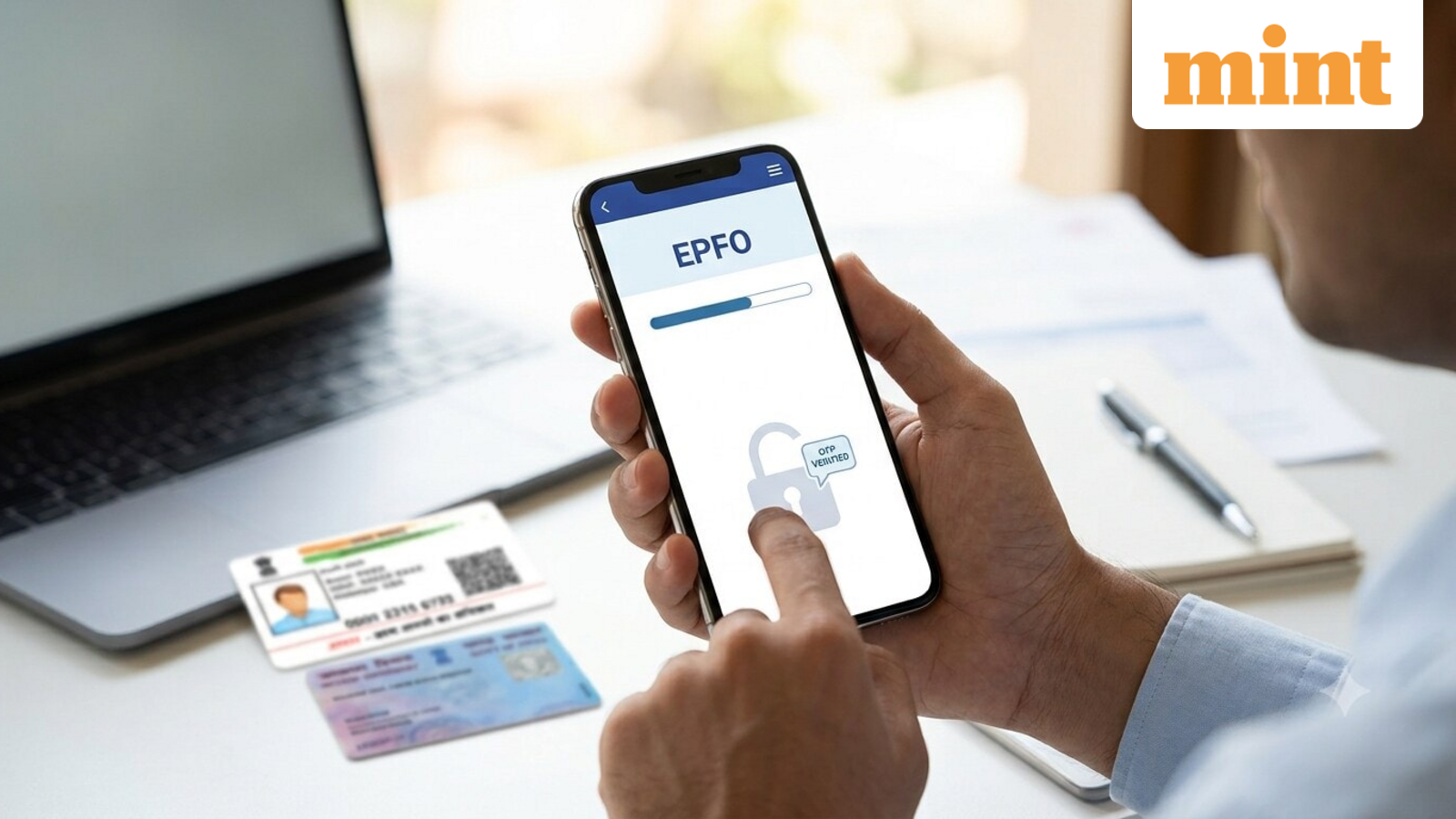
Meanwhile, online claims filed with EPFO are usually settled within seven to 10 working days. This will require you to complete your KYC. If your claim is not settled within 20 days, members can raise a complaint here: epfigms.gov.in.
Under the new schemes, EPFO is required to settle claims relating to provident fund withdrawals, pension and deposit-linked insurance within 20 days, provided the claim is complete in all respects.
If the official in charge fails to settle a claim within the prescribed timeline without a sufficient cause, then a penal interest at the rate of 12% per annum may be charged on the benefit amount, with the amount recoverable from the Commissioner’s salary, according to the notified rules.