Apps and Digital Wallets Outpace Other Payment Methods – Digital Transactions
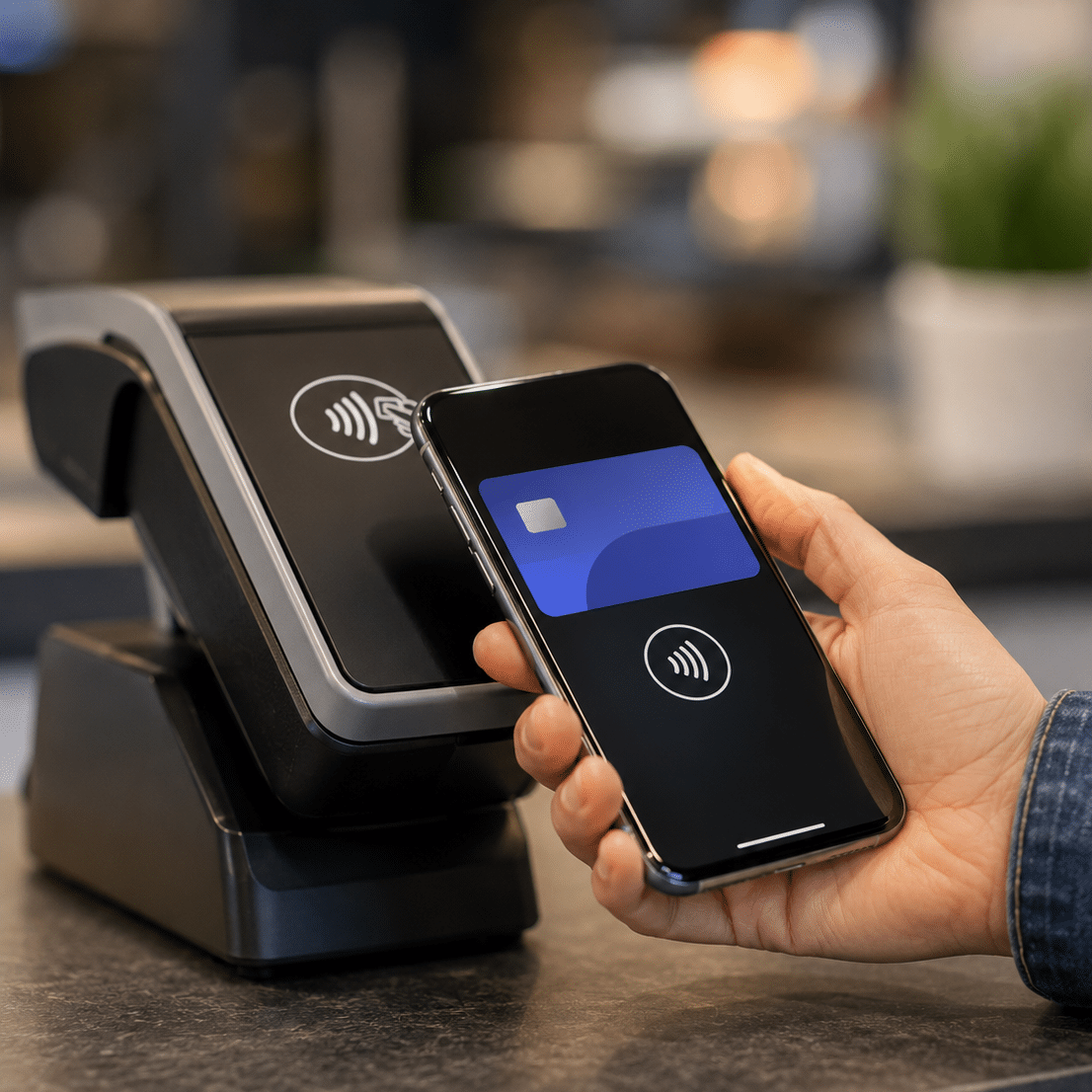
More evidence has emerged that consumers are wholeheartedly embracing payment apps and digital wallets as these two payment methods are used by most consumers, finds the WSFS Bank 2026 Money Trends Survey.
Among the 1,022 respondents, 73% regularly use a payment app in 2026, up from 67% in 2023, and 64% regularly use a digital wallet, up from 54% in 2023, says the report. Cash or check was the next regularly used media, at 47%, though that’s a decrease from 50% in 2023.
Broader payment options are heavily card-based, too. Asked how often they use a debit card this year over last, 41% say they use it more often, with just 15% saying less. Thirty-two percent are using credit cards more in 2026, while 25% are using them less. Cash is used by 32% more this year, and 28% are using cash less. Buy now, pay later methods are being used by 21% more often, though 19% are using it less often.

These results could mean a shift in how financial institutions approach their debit card programs, too. Many of these programs dropped rewards or similar benefits following the debit interchange cap imposed by the Durbin Amendment.
“If reliance on debit cards continues to grow, financial institutions will need to reposition debit from a basic checking account utility into a primary cash-management tool. This shift positions debit as an empowering tool for real-time financial wellness rather than just simple transactions,” Shari Kruzinski, WSFS Bank executive vice president and chief consumer banking officer, tells Digital Transactions News.
As for those who say they will use credit cards less in 2026 over 2025, 36% cited the desire to save more and spend less as a motivation, followed by 32% focusing on paying down debt, and 31% focused on high credit card interest rates. That may hint at how consumers are reacting to the overall economy.
“What stood out most to me in this year’s results wasn’t that people are stressed about money. It’s that they’re not reacting to it the way you’d expect,” Kruzinski says. “Rather than cutting spending reflexively in response to headlines about inflation or groceries, respondents described something more deliberate. They’re scaling back non-essential spending on purpose, asking sharper questions about debt, and actively shopping for better returns on savings. That distinction matters. Reactive belt-tightening tends to reverse the moment the headlines calm down. What we’re seeing looks more like habit formation, and habits are what actually move the needle on financial resilience over years, not weeks.”
Convenience and expediency may be a couple of factors in the popularity of digital payments.
“The surge in payment apps and digital wallets is encouraging because it reflects a desire for immediate cash control,” Kruzinski says. “By leaning into debit-based digital tools rather than credit structures that can accumulate high-interest debt, consumers are taking a much more hands-on approach to their personal balance sheets. While these apps offer convenient everyday mechanics, they are also playing a strategic role in how people monitor and track their spending.”
This could be of benefit to financial institutions, Kruzinski says. “This represents an opportunity to bring meaningful financial education to the table. It’s our responsibility to help clients connect these daily habits with broader financial planning and show them how budgeting can help them reduce debt, build emergency savings, and support their financial future,” she says.