Josh Schuster Prepares For Sentencing
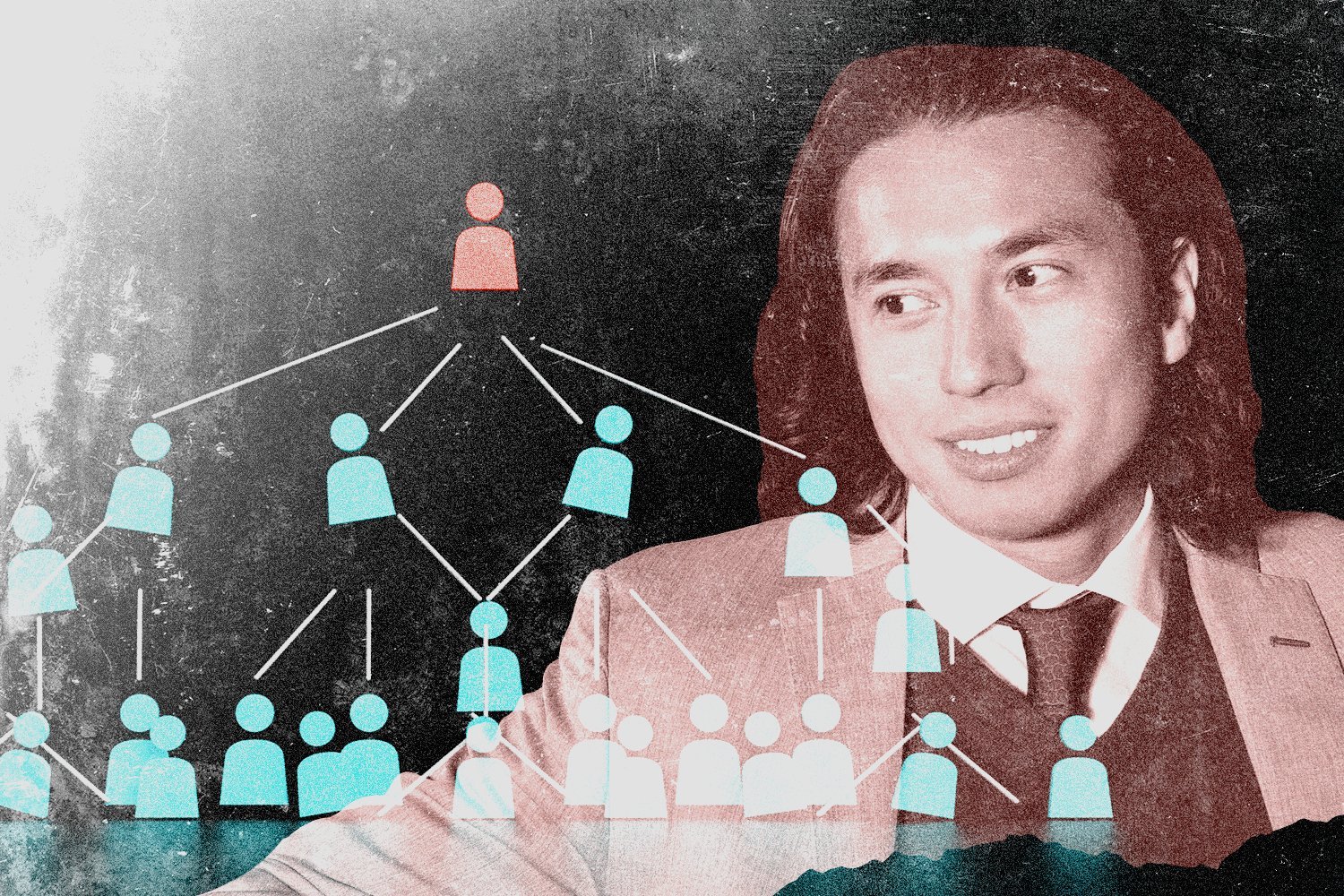
Ahead of sentencing next month for orchestrating a $13 million Ponzi scheme, Josh Schuster says he’s no longer the same person who deceived and stole from his friends and investors.
Since bottoming out from drug and alcohol addiction four years ago, the disgraced developer says he’s gotten sober and gained perspective through volunteer work. He’s asked the judge in his case to consider this when making her decision on sentencing, while his family and lawyer ask for leniency.
His victims, however, said Schuster’s deceptions left long-lasting financial and emotional scars — and ask for a heavy sentence in the name of justice.
Schuster, 42, is scheduled to be sentenced at the Federal courthouse in Lower Manhattan August 11 after pleading guilty in February to securities fraud for a scam he ran from 2019 through 2022.
He faces a maximum of 20 years in prison, though as a first-time offender he’s likely to receive less time. Federal sentencing guidelines recommend 4.25 to 5.25 years, though these are just suggested terms and judges don’t always follow them.
Earlier this week, Schuster wrote a letter to Judge Valerie Caproni acknowledging the damage he had done.
“I am not asking you to excuse what I did. I ask only that you weigh, alongside my crimes, the four years I have spent trying to become someone my wife, my children and my community can trust again, work I began long before my arrest and will continue no matter what sentence you impose.”
Schuster explained how he justified his actions to himself.
“For a long time, I told myself a story about my conduct. In that story, I was fighting to hold a company together through the pandemic so that none of my 18 employees would lose their jobs, and once markets recovered, I would make everyone else whole,” he explained.
The pieces of that story about the collapsing company and his employees were true, Schuster said.
“But the story was still a lie I told myself, because it left out the plainest facts: I was spending other people’s money in ways they never agreed to, and some of it I spent on myself,” he wrote.
Schuster began abusing alcohol and cocaine in college, and it got worse as he worked in the high-stress real estate industry.
“He told [his wife] Lindsey that he needed to use cocaine to stay awake for business with international investors in different time zones,” his parole officer wrote.
Schuster’s wife told the judge that, “The more responsibility and larger deals that entered his life, the more he lost the person I originally fell in love with. Addiction slowly took over every part of his life and personality.”
Schuster had back surgery in 2019 and became reliant on oxycodone. When his prescription ran out, he bought pills on the street even when he knew they tested positive for fentanyl. He said he abused cocaine to sustain his schedule and then used alcohol to come down from the coke.
He went into treatment in 2022 after being confronted by his wife and sisters and has been sober since then. He said he attends Alcoholics Anonymous meetings and sponsors other men trying to get sober. Schuster also volunteers to help feed the homeless and find jobs. He also noted the nonprofit he founded earlier with his father to operate free medical clinics in the Philippines, Haiti and Nepal.
He said he was earning a modest income from the solar-installations company he founded after relocating to Florida — which is how he intends to begin repaying his victims.
“I know that people who are defrauded often ask themselves what signs they missed and blame themselves for believing. No one who invested with me should carry that,” he wrote.
His attorney asked Caproni that instead of prison, she sentence Schuster to home confinement.
Victim impact
The U.S. Attorney’s Office for the Southern District, on the other hand, noted that even after his business collapsed, Schuter continued to defend himself to his victims and through civil litigation.
They recommended a sentence within the federal guidelines.
“Balancing the seriousness and length of the defendant’s criminal conduct, the need to promote deterrence and respect for the law, a sentence within the guidelines range of 51 to 63 months’ incarceration is appropriate to serve the purposes of sentencing,” prosecutors wrote.
One of Schuster’s victims, his partner Harry Karten, gave an impact statement, saying years of his life have been “consumed, degraded and stolen by a deliberate, sustained and remorseless fraud.”
Karten said he lost more than $6 million — a significant amount of money he spent 55 of his 75 years saving.
“That was not money I could afford to lose to say the least. It represented the financial foundation of my life and my family’s security.”
Beyond the money, Karten said Schuster inflicted emotional damage. He stole thousands of hours from Karten — time that could have been spent on his business, family and health. But he said there’s an additional emotional toll that undermines his ability to trust his own judgment and trust others.
For example: Karten said Schuster had his children call him “Uncle Harry” to create a false sense of closeness, which made it difficult for him to confront the fraudster.
He asked the judge to impose the maximum sentence and said it would be unjust if he were sent to a medium-security or minimum security prison.
“This is the behavior of someone who viewed his investors as a personal revenue stream, to be milked through deception for as long as possible before the scheme was discovered,” Karten wrote. “The court should consider this callous, self-indulgent conduct in determining an appropriate sentence.”
Read more

Is developer Josh Schuster’s fast rise spiraling out of control?

“I’m ashamed”: Josh Schuster pleads guilty to Ponzi scheme

What happens next after Josh Schuster’s guilty plea?