One Drone Flight Just Headed Off a 30-Day Outage
A lender that finances a power plant or a pipeline typically learns about a developing problem the way it has for decades: through a scheduled inspection or a manual audit that happens once or twice a year. Damage accumulates in the dark between those checkpoints. Physical AI is starting to close that gap.
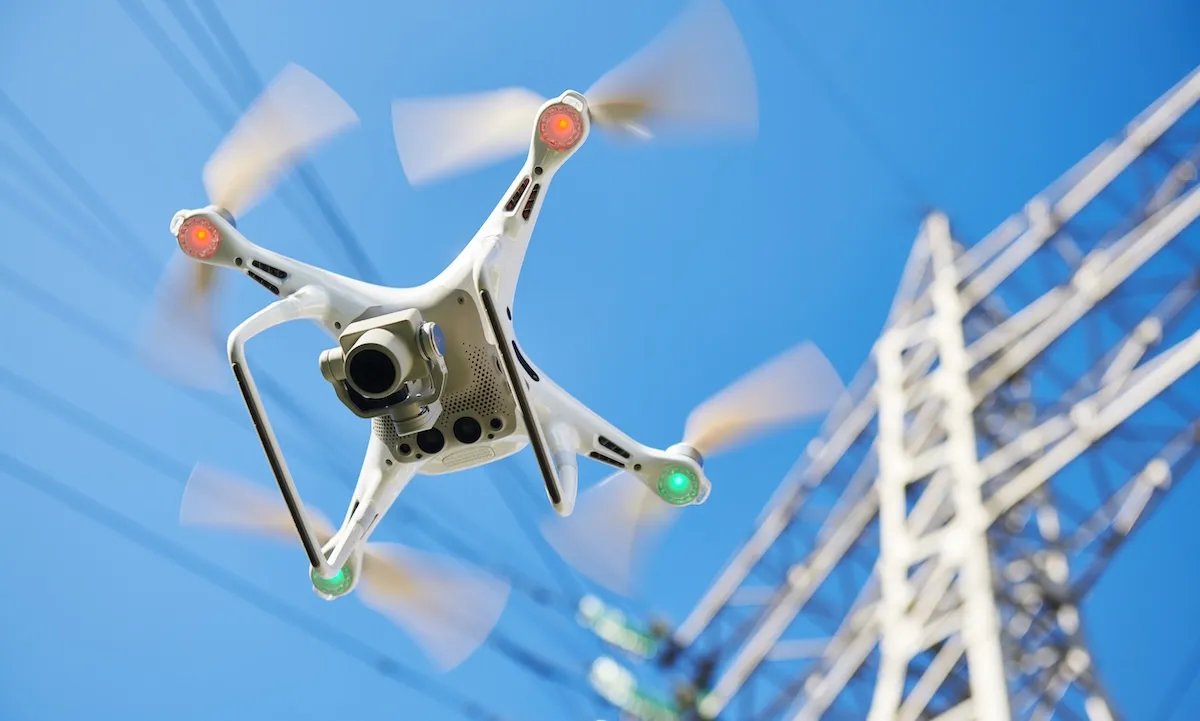
Percepto, an Austin-based company, launched a next-generation artificial intelligence inspection platform for energy infrastructure, that pairs autonomous drones with onboard AI. The system is built to help oil and gas operators and electric utilities capture inspection data at a scale manual crews cannot match, the company said in a June 22 press release announcing the launch.
“The next phase of industrial autonomy is about unlocking more value from the infrastructure energy companies already operate,” Percepto CEO Dor Abuhasira said in the announcement. The platform is designed to mimic how an experienced human inspector works, deciding what to capture and how each finding connects to a specific piece of equipment, rather than simply gathering raw footage for someone else to review later.
One Drone Inspection Prevented a 30-Day Outage
Skydio, a competing drone maker, says more than 280 utility companies now use its autonomous drones for infrastructure inspection, including some of the largest power companies in the U.S. Southern California Edison used a Skydio X10 drone to inspect substation equipment from angles a ground crew could not reach and found multiple loosening pivot bolts invisible from the ground, a discovery that headed off what would have become a 30-day outage, Skydio said in a case study.
Skydio says its drones help utilities respond to outages and complete planned inspections three times faster than crews using bucket trucks, while getting close enough to capture detail that distant inspection methods miss.
The shift these companies describe is from time-based maintenance — checking equipment on a fixed calendar regardless of its actual condition — to condition-based maintenance, where inspection frequency responds to what the equipment is actually doing. That distinction matters more to a lender than it might first appear. A scheduled inspection tells a bank the condition of an asset on the day someone looked at it. A drone or robot that can fly the same route weekly, or in some deployments daily, produces a continuous record instead of a snapshot. The gap between inspections, the period when a lender has historically had no visibility at all, shrinks from months to days.
Continuous Monitoring Is Already Standard in Fraud Detection
Financial institutions got there first. Banks are increasingly building AI systems that flag risk continuously rather than waiting for a periodic review, whether that means fraud detection running on live transaction data or credit models that update as new information arrives, PYMNTS reported.
AI agents are already handling document review, credit scoring, risk assessment and borrower communication autonomously in mortgage servicing, compressing timelines that used to run for weeks, PYMNTS reported separately. Applying that same logic to physical collateral, the power plants, pipelines and substations that back the loans, is a natural extension once the underlying data exists to feed it.
For a lender or insurer, a loan or an insurance policy priced on the assumption that equipment gets inspected twice a year carries different risk than one priced on infrastructure that reports its own condition every week. As more energy companies adopt platforms like Percepto and Skydio, the lenders financing that infrastructure gain an option that did not previously exist: pricing risk on evidence updated continuously, not on the assumption that nothing changed since the last scheduled visit.