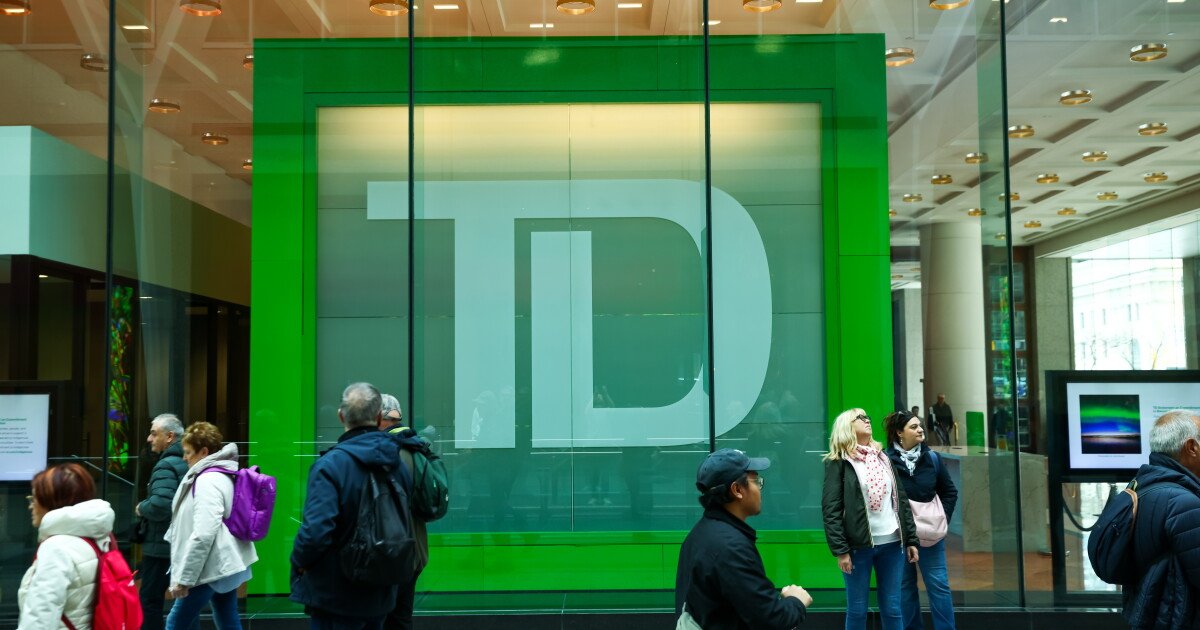
Ex-TD Bank employees sentenced in money-laundering scheme
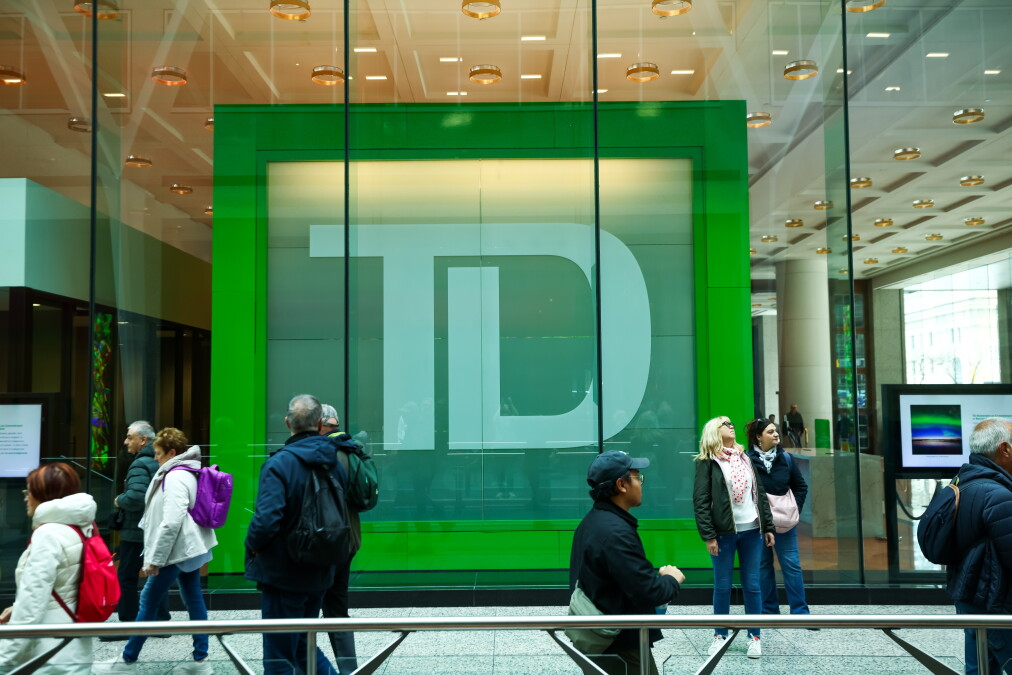
- Key insight: In the continued prosecution of an extensive money-laundering operation conducted through TD Bank, a federal judge issued 46 and 24 month prison sentences.
- Expert quote: “This might be a great result for the senior TD people that would still be targets of the DOJ.” — James Richards, former Wells Fargo BSA officer
- What’s at stake: The Toronto-based bank paid more than $3 billion in penalties after it pleaded guilty to federal charges. It continues to work through mandated AML remediation.
Two former mid-level TD Bank employees received prison sentences for their roles in an extensive, multiyear money-laundering scheme that cost the bank more than $3 billion in federal penalties and resulted in a significant curtailment of its U.S. operations.
Processing Content
Wilfredo Aquino — a onetime assistant manager who facilitated a money-laundering network’s movement of nearly half a billion dollars through TD accounts — was
The money-laundering operation was led by Da Ying “David” Sze, whose network moved approximately $474 million through TD accounts by depositing cash at branches in New York, New Jersey and elsewhere, according to the U.S. Department of Justice.
From 2019 to 2021, Aquino processed 1,680 official bank checks totaling more than $92 million for Sze’s network in exchange for over $11,000 in gift cards. He
Low, a former retail employee in Flushing, Queens, accepted $26,700 in bribes to steal confidential customer data and leak it to the criminal network, which then drained $485,000 from customer accounts. In February 2026, Low
In October 2024, TD entered into a historic
Under the terms of the settlement, TD was required to implement enhanced transaction monitoring, upgrade customer due-diligence procedures and increase employee AML training. Regulators specifically cited failures in identifying structuring, cash-intensive activity and high-risk customer profiles.
AML remediation “continues to be the bank’s top priority,” a TD Bank spokesperson wrote Monday in a statement to American Banker. “TD has made strong progress in rebuilding its AML program, including through deep investments in talent, training, process improvements, and technology.”
Trump administration’s white-collar enforcement
James Richards, who served for more than a decade as Wells Fargo’s Bank Secrecy Act officer and financial crimes risk management group head, told American Banker that authorities “aggressively, aggressively prosecuted” the TD Bank cases.
He added that the speed of the trials and certain other ways the cases were handled indicated the government was “very keen on getting these guys prosecuted, and prosecuted hard and fast.”
While no TD executives have been criminally prosecuted, Richards said the sentencing of mid-level staffers appears to “have satisfied the DOJ.”
“This might be a great result for the senior TD people that would still be targets of the DOJ,” Richards said.
He contrasted the treatment of the TD Bank case with other recent high-profile white-collar cases, in which defendants have received more leniency from federal actors.
While celebrity corporate criminals are often afforded more favorable settlements, Aquino, Low, and their co-conspirators “had nothing to offer the government, nothing to trade in exchange for a lenient sentence,” Richards said.
He contrasted the TD prosecutions with the government’s criminal case against former Binance CEO Changpeng “CZ” Zhao.
In 2023, Zhao was
“When you juxtapose it up against CZ, you go, what the hell’s going on?” Richards said.
Trump has issued more than 1,400 pardons and commutations in his second term alone — six times more than the 238 he granted across his entire first term, according to DOJ records. Among those receiving clemency are well-known financial criminals, including Zhao and Silk Road founder Ross Ulbricht.
In June, convicted FTX founder Sam Bankman-Fried
“I can’t think of an administration that has abused the prosecutorial discretion of who to go after and why, and the presidential pardon power,” Richards said. “The combination of the two may be unprecedented. And I don’t think it serves the long term-public good.”