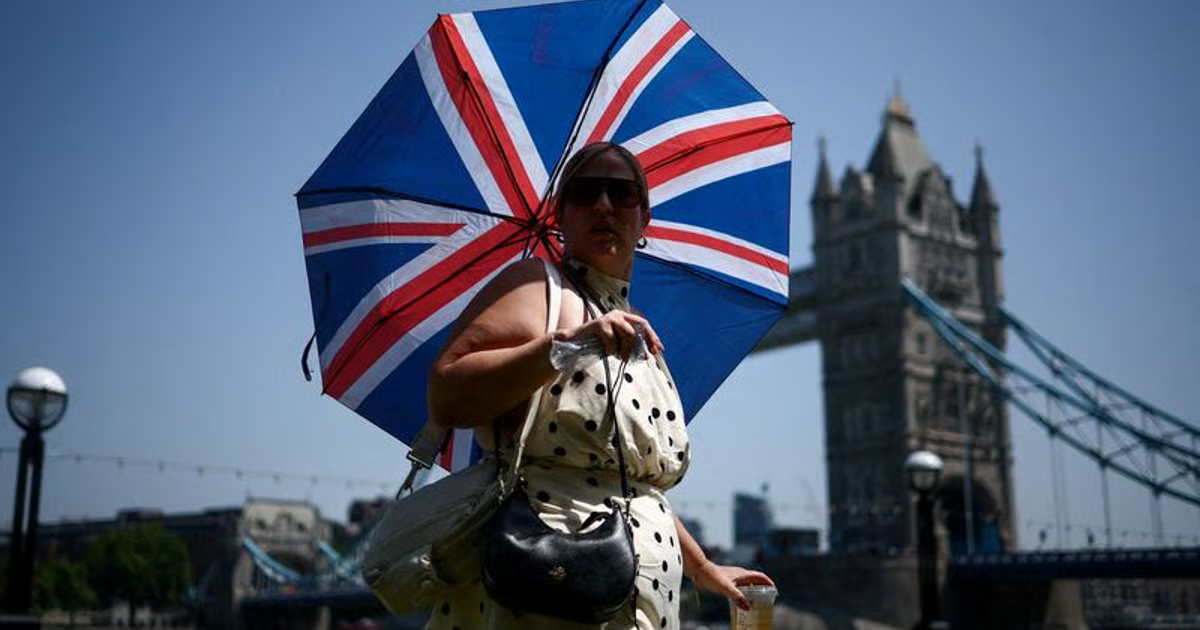
UK Climate Extremes Becoming Normal, Met Office Warns in 2025 Report
Met Office: UK Climate Extremes Like Heatwaves Are Becoming the New Normal
Rising Temperatures and Shifting Weather Patterns in the UK
By Sam Tabahriti
Recent Record-Breaking Years
LONDON, July 15 (Reuters) – Britain’s four most recent years are all among its five warmest on record, according to the country’s meteorological office, which said on Wednesday rising temperatures were making once-exceptional weather conditions increasingly ordinary.
The Met Office’s annual climate report found 2025 was Britain’s warmest year since records began in 1884, while the latest decade was 1.33 degrees Celsius (34 degrees Fahrenheit) warmer than 1961-1990.
Regional Impacts and Temperature Increases
The report said the average hottest day of the year had warmed by more than 4.5 C in parts of southeast England compared with 1961-1990, while the number of days above 30 C had more than quadrupled in London.
Changing Perceptions of Extremes
“What we used to think of as extreme, we increasingly consider as normal,” said Mike Kendon, the Met Office’s lead author of the State of the UK Climate report.
Consequences of Heatwaves and Climate Change
The findings come after a succession of heatwaves across Britain and Europe this year that have shattered temperature records, fuelled wildfires and led to thousands of so-called excess deaths.
UK Records Expected to Be Broken Again
Britain’s Met Office said annual temperatures had risen by around 0.25 C per decade since the 1980s, making 2025 the sixth time this century that Britain’s annual temperature record had been broken.
The agency said it would expect records to be broken again within years, and Kendon said the evidence showed that the climate of the last century was no more.
Historic and Unprecedented Change
“We are right now living in a time of historic and unprecedented change,” he said.
Heat-Related Deaths and Scientific Attribution
During Britain’s May and June heatwaves, around 2,700 people were estimated to have died from heat-related causes, with global warming making the heat severe enough to contribute to about 42% of those deaths.
Unlike rainfall, which can be influenced by a range of factors, scientists can attribute most extreme heat events at least in part to climate change, Royal Meteorological Society Chief Executive Liz Bentley told reporters in a separate briefing.
(Reporting by Sam Tabahriti; editing by Sarah Young)