Oil prices today: Brent, WTI rise

Crude oil prices eased off session highs Tuesday, after President Donald Trump abandoned his demand for ships to pay a 20% protection fee to transit the Strait of Hormuz.
U.S. West Texas Intermediate futures rose 1.82% to $79.56 per barrel. Brent futures, the international benchmark, were up 1.98% to $84.95.
“Based on highly productive conversations with Middle East leadership, I have decided to replace the 20% United States Reimbursement Fee with Trade and Investment Deals that the various Gulf States will be making into the United States,” Trump said in a Truth Social post.
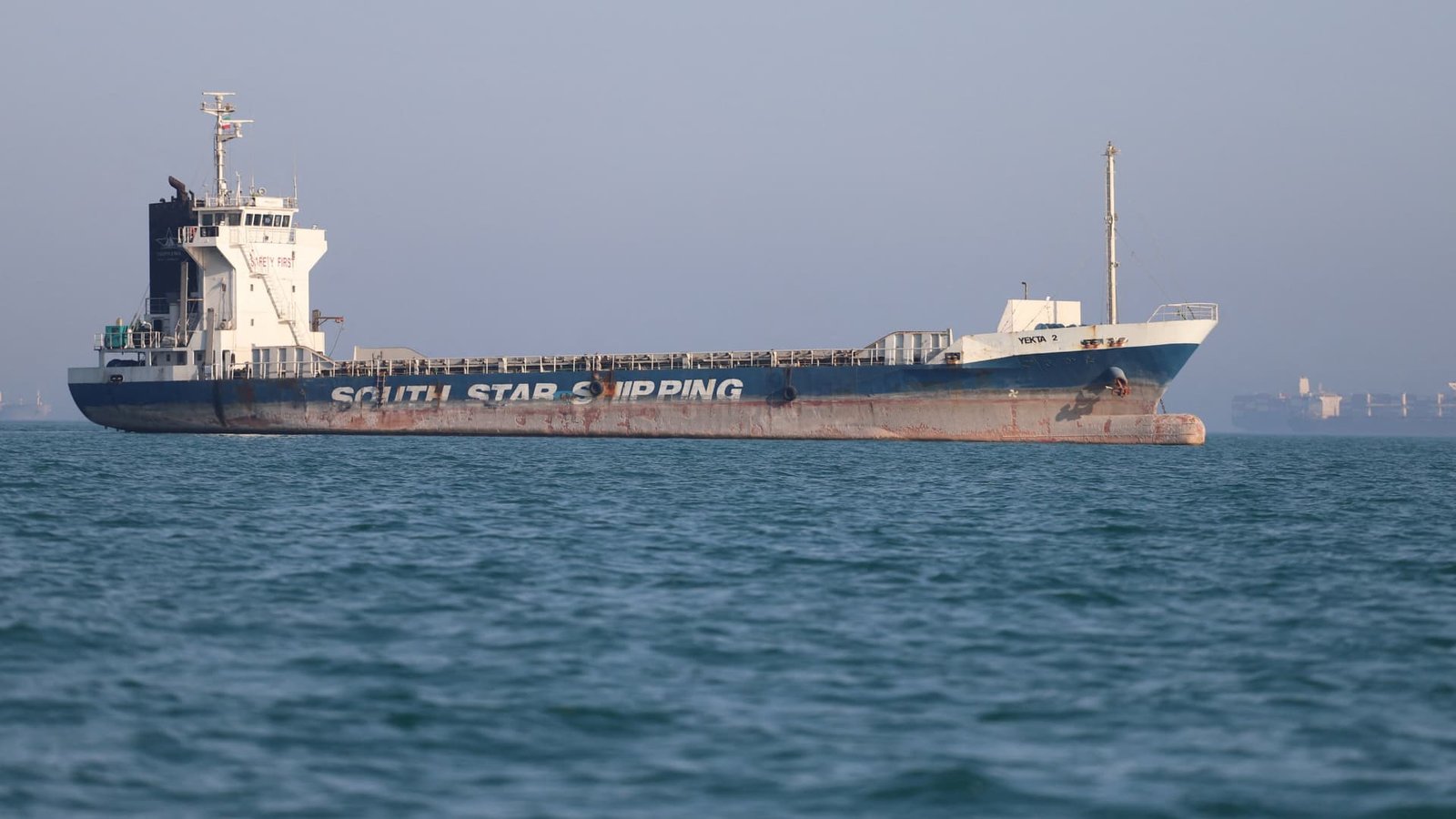
Trump demanded the fee Monday in exchange for the U.S. Navy protecting ship traffic through Hormuz. The security situation in the strait has deteriorated over the past week as Iran attacks commercial ships.
The president’s demand for a fee contradicted past U.S. opposition to tolls in the strait. Iran has sought to collect tolls for safe passage but agreed it will not impose one for 60 days under the interim deal it signed with the U.S.
The International Maritime Organization, a United Nations agency, opposes mandatory tolls in Hormuz as illegal.
U.S. crude oil had traded above $80 per barrel earlier in the session as Washington and Tehran continued to battle for control of Hormuz. The U.S. bombed targets along Iran’s coast Monday in an effort to degrade Tehran’s ability to attack commercial ships, according to U.S. Central Command.
Iran’s Revolutionary Guard said its forces attacked two supertankers transiting Hormuz with their transponders turned off. The United Arab Emirates’ state oil company, ADNOC, said two of its tankers were hit by projectiles while transiting the strait, killing one mariner and injuring several others.
The U.S. Navy will reimpose its blockade against Iran at 4 p.m. ET on Trump’s orders, Centcom said in a statement.

Citi had warned that Trump’s proposal to impose shipping fees in the Strait of Hormuz materially raises the risk of further military escalation.
“The possibility that the Iranian regime walks away from the MoU until after the mid-term US elections has also risen, a scenario which would most likely see higher for longer oil prices,” the bank wrote in a report Tuesday.
Roughly one-fifth of global oil supplies passed through the Strait of Hormuz before the U.S. and Israel launched strikes on Iran on Feb. 28. Shipping traffic slumped after Iran began targeting vessels in the waterway in early March, but had started to recover following Washington and Tehran’s interim agreement.