REITs and InvITs AUM to double to ₹20 trillion by 2030: Should you invest in them?
Over the last one year or so, REITs and InvITs have been in the news regularly. During calendar year 2025, when the RBI cut the repo rate, some REITs and InvITs attracted investor attention due to their higher yields. In January 2026, Sebi classified REITs as equity instruments, and in February 2026, it allowed more categories of mutual funds to invest in InvITs. Those moves led to mutual fund inflows into REITs and InvITs.
In June 2026, Crisil Ratings released a report mentioning that the leasable area of REITs is expected to rise by 25-30% by 2028. During the same month, Avendus Capital released a report mentioning REITs and InvITs could double their AUM to ₹20 lakh crore over the next 5 years. With REITs and InvITs offering these investment opportunities, this article explores these financial products and whether one should invest in them.
Avendus Capital report
In June 2026, Avendus Capital released a report titled ‘Trust the structure: REITs, InvITs and the real imperative’. The report mentions that India’s REIT and InvIT market has 32 listed trusts with a current AUM of ₹10 lakh crore. The firm estimates an addition of ₹10 lakh AUM, thereby doubling the AUM to ₹20 lakh crore over the next 5 years. So, India’s REITs and InvITs market offers a huge growth runway for the future.
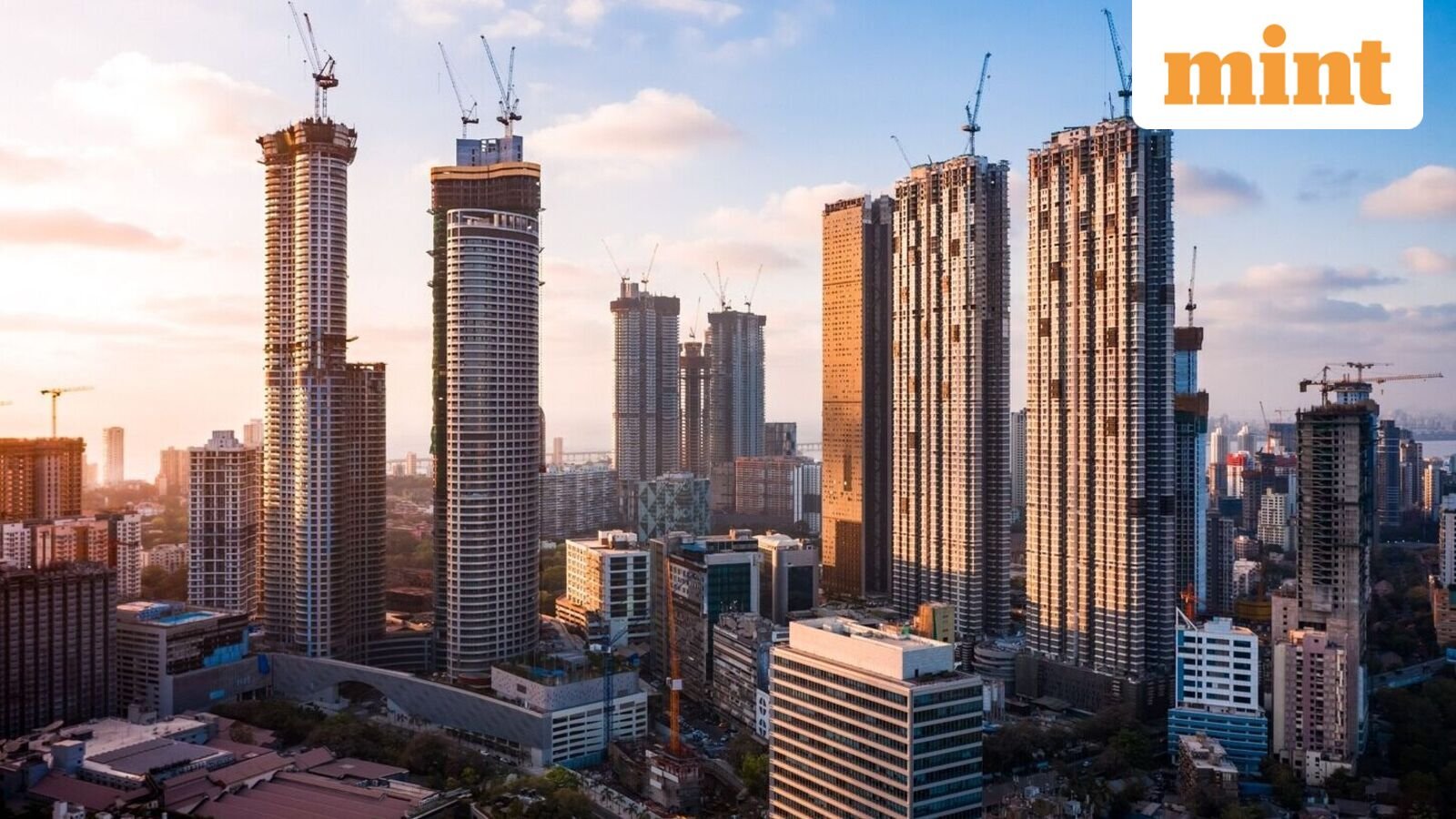
The investment opportunity in REITs and InvITs offers the financialisation of real assets. These assets include commercial real estate (offices, malls, etc.), roads, renewable power projects, power transmission, telecom assets (towers), logistics infrastructure (warehouses), etc. Through the REITs and InvITs, retail and other investors can participate in India’s growth story and earn income through regular distributions and potential capital appreciation.
Listed REITs and InvITs in India
Some of the REITs listed on the Indian stock exchanges include the following:
- Embassy Office Park REIT
- Mindspace Business Parks REIT
- Brookfield India Real Estate Trust
- Nexus Select Trust
- Knowledge Realty Trust
The above REITs, except for Nexus Select Trust, invest in commercial real estate such as office spaces. The Nexus Select Trust owns and operates 19 shopping malls and premium urban consumption centres in 15 cities. It gives investors an opportunity to participate in India’s urban consumption story.
Some of the InvITs listed on the Indian stock exchanges include the following:
- IRB Infrastructure Investment Trust
- IndiGrid Infrastructure Trust
- Powergrid Infrastructure Investment Trust
- Indus Infra Trust
- National Highways Infra Trust
IndiGrid and PowerGrid hold power transmission assets, while IRB and National Highways Infra Trust own a portfolio of highways and road assets.
As per Sebi regulations, REITs and InvITs must invest a minimum of 80% of their funds in operating and revenue-generating assets. The remaining 20% of the funds can be invested in under-construction projects and other permissible securities. They have to distribute 90% of their net distributable cash flows (NDCF) to investors in the form of distributions (commonly referred to as dividends).
An investor can earn income from REITs and InvITs in two ways:
- Distributions: Most listed REITs and InvITs make quarterly distributions.
- Capital gain: The difference between the selling price and buying price of the REIT / InvIT units is the unitholder’s capital gain. When the listed REIT/InvIT units are sold within 12 months, the capital gain is categorised as short-term capital gain and taxed at 20% rate. When the units are sold after 12 months, the capital gain is categorised as long-term capital gain (LTCG). The first LTCG of up to Rs. 1,25,000 in a financial year is exempt from taxation. Any incremental LTCG beyond ₹1,25,000 in a financial year is taxed at 12.50%, without indexation benefit.
For example, the IndiGrid Infrastructure Trust has given guidance of ₹16.48 DPU (Distribution Per Unit) for FY 2026-27. In FY 2025-26, it distributed an annual DPU of ₹16 ( ₹4 DPU per quarter). The current market price is around ₹177/unit. Based on the FY 2025-26 DPU of ₹16 and the current market price of ₹177, the yield comes to 9%. While yield is important, it is only one of the many factors to consider before taking an investment decision.
Let us understand how IndiGrid InvIT has fared from an investor’s perspective. IndiGrid InvIT got listed in June 2017 with an issue price of ₹100/unit. Since its listing, IndiGrid InvIT has distributed ₹117 as DPU. As of 31 March 2026, it has delivered 183% total returns, or 13% annualised returns.
What lies ahead?
The government and regulators are taking steps to improve the regulatory framework further to enable more REITs/InvITs to list on stock exchanges. The government and regulators are also taking steps to encourage greater investor participation in REITs and InvITs. In the last 5 years, we have seen a REIT/InvIT list every year, with Bagmane Prime Office REIT being the latest to list in 2026.
From 1 January 2026, Sebi categorised REITs as equity instruments. The move facilitates enhanced participation by mutual funds and Specialised Investment Funds (SIFs) in REITs. Since the start of 2026, the overall exposure of the mutual fund industry to REITs and InvITs has increased significantly.
Sebi also said that REITs can be included in equity indices from 1 July 2026. The inclusion in equity indices will attract more fund inflows into REITs through ETFs and index funds.
Listed REITs and InvITs have performed well in the last few years. The Nifty REITs & InvITs Index has delivered total returns of 19.24% in the last one year, and 12.79% CAGR in the last five years (as of 30 June 2026).
According to a Crisil Ratings press release (June 2026), the leasable area of commercial office REITs is expected to rise 25-30% by fiscal 2028. The leasable area is expected to increase by 40-45 million square feet, reaching 190-195 million square feet by the end of the next fiscal year. The Indigrid InvIT investor presentation (Q4 FY 2026) highlights that the government and various other entities have invited bids totalling Rs. 2.22 lakh crore across power transmission and battery energy storage (BESS) sectors.
Apart from the existing road and power transmission InvITs, we may see the listing of InvITs in the renewable energy, telecom infrastructure, gas pipelines, etc., sectors. Apart from the existing commercial office and retail malls REITs, we may see listing of REITs in sectors such as warehousing, data centres and hospitality.
For investors, there are sufficient options to choose from for investing in REITs and InvITs. Every year, we are witnessing the listing of new REITs and InvITs. Consult your financial advisor for investing in REITs and InvITs. The financial advisor will recommend the appropriate investment option based on your risk appetite, financial goals, and other factors.
Gopal Gidwani is a freelance personal finance content writer with 15+ years of experience. He can be reached on LinkedIn.