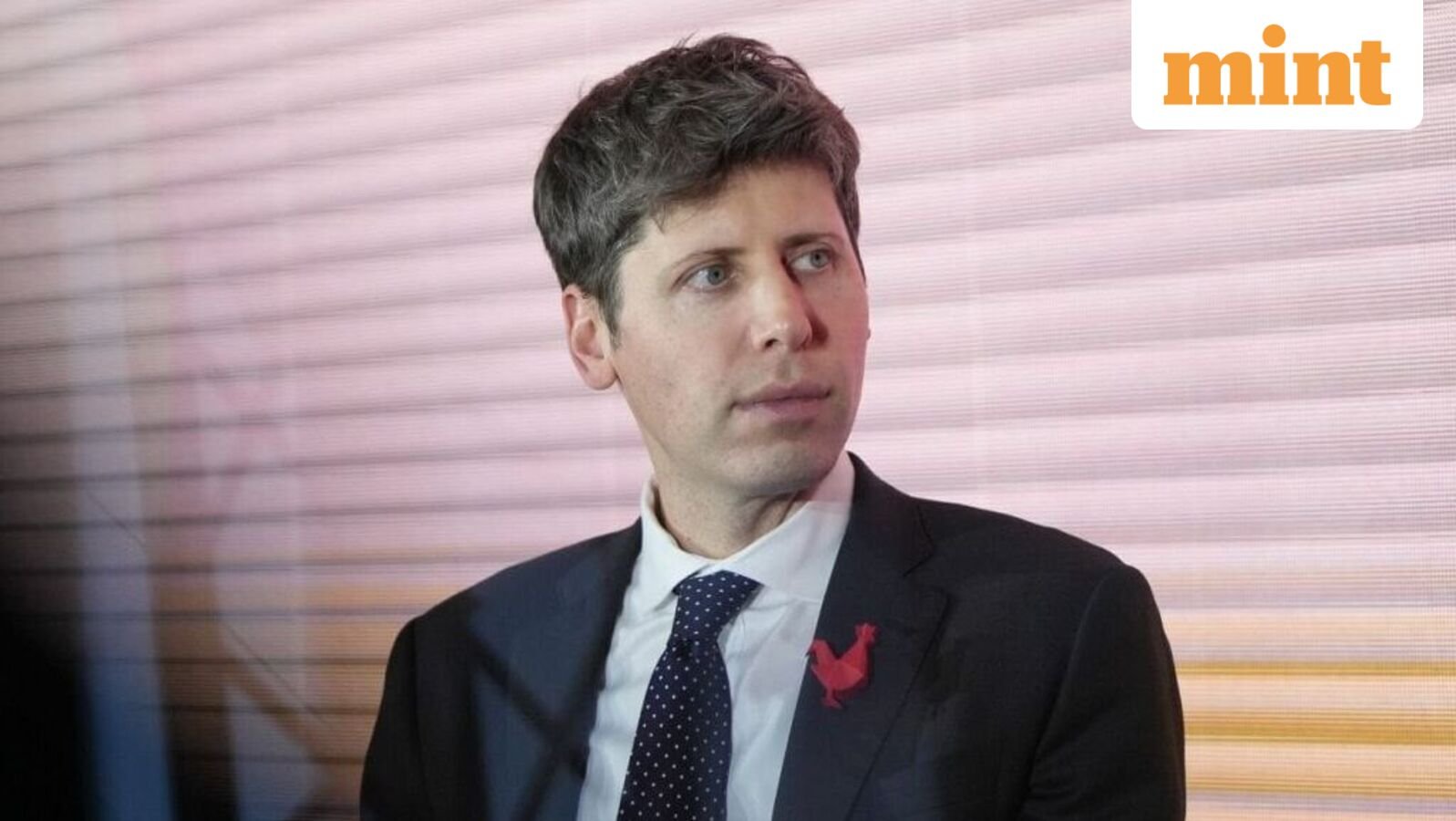
Sam Altman wants a $1 trillion OpenAI IPO after SpaceX’s success; But will investors still make money?
After SpaceX’s spectacular public debut pushed its valuation to past $2 trillion, investors are already looking for the next mega IPO. And, many believe that company could be OpenAI.
Now, Sam Altman, the CEO of OpenAI, reportedly refuses to take the AI company public at any valuation below $1 trillion (possibly encouraged by the overwhelming investor demand for SpaceX). But is it worth the wait – if OpenAI debuts at such a lofty valuation, will it be a better bet than SpaceX?
At first glance, comparing SpaceX with OpenAI may not seem like an apples-to-apples comparison because SpaceX is solely rocket company. However, most of SpaceX’s future growth opportunity is expected to come from AI-driven businesses. That makes the comparison with OpenAI more relevant.
‘SpaceX IPO is not a clear win’
On SpaceX success, Viram Shah, CEO & Founder, Vested Finance,”The premise needs a small correction. The question treats the SpaceX IPO as a clear win, but the outcome for investors has been mixed.”
The demand for SpaceX at the time of listing was very strong — the book was oversubscribed several times and retail participation was high. But the stock rose to around $225 within days and then fell by roughly a third over the next two weeks. Investors who bought near the top are currently at a loss, even though the offering itself was heavily oversubscribed.
“The distinction between IPO demand and investor return is the key point here.”
Will OpenAI be a better bet? – ‘Depends on the entry price’
Also, on whether OpenAI would be a better investment — that can’t be assessed yet, notes Shah.
There’s no prospectus, no confirmed price, and no firm timeline; reports point to 2027. Whether an investment is ‘better’ depends on the entry price, not the company.
Then “a valuation above one trillion dollars for a business still running large losses is a different proposition from a lower entry. The company is the same; the return depends on what you pay.”
What Indian investors needs to know:
For an Indian investor, the most relevant questions are: How much of your portfolio should you invest in a loss-making company driven largely by future expectations? How long are you willing to stay invested when the stock can rise or fall 30% in just a couple of weeks? And even if you want to invest, can you actually get shares in a heavily oversubscribed US IPO?
“More AI companies listing is a positive development. It gives investors priced reference points instead of private-round estimates. But the quality of a company and the quality of an entry point are separate questions, and they should be assessed separately.”