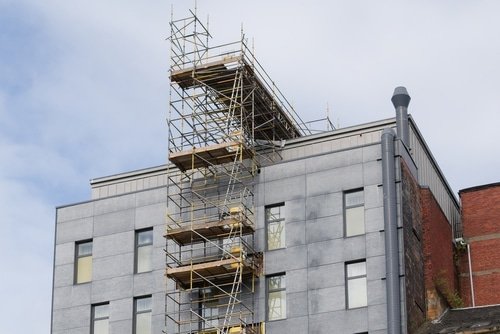
Risk, not height, will drive cladding fixes
As part of the government’s Cladding Safety Scheme, funding will be made available to the highest risk buildings under 11 metres.
Since major cladding issues are less common in lower-rise buildings, they are not covered by existing leaseholder protections. However, leaseholders face large bills to fix safety issues not of their doing.
Dangerous cladding will be removed from lower-rise buildings with serious fire safety risks, as new government funding was announced to speed up remediation action in the most unsafe buildings.
The funding will help protect leaseholders from these costs.
Buildings for remediation are not going to be prioritised by height alone. The government will now prioritise buildings based on the risk they pose to residents, ensuring those with the most serious safety concerns are addressed first.
The announcement stems from the Remediation Acceleration Plan, addressing the failings set out in the Grenfell Inquiry.

Are your clients ready for the first Making Tax Digital reporting deadline?
Sponsored by BM Solutions
Samantha Dixon, building safety minister, said: “Residents shouldn’t be left worrying about living in homes with dangerous, flammable cladding, just because their building isn’t tall enough to qualify for funding.
“That’s why we’re taking action so that buildings posing the greatest risk to life are prioritised, as well as streamlining processes to minimise delays and make responsibilities clear.”
Changes to ensure leaseholder interests are upheld
The Financial Conduct Authority (FCA) is set to review how insurance premiums for buildings with fire safety risks have changed since it brought in new rules in 2023.
The government welcomed this review, which will show how insurers’ pricing approaches have changed over time. It will also examine how firms are considering leaseholders’ interests when assessing whether their products deliver fair value. Furthermore, it will review how building remediation work is being taken into account in insurers’ risk assessments.
Rachel Blake, Economic Secretary to the Treasury, said: “Too many leaseholders have spent years facing uncertainty and have been unable to move on with their lives because of building safety issues they did not cause.
“As we work to make buildings safer, leaseholders deserve confidence that they are paying a fair price for insurance. The FCA’s review will help us better understand how insurers are pricing and whether leaseholders are getting fair value.”
Kate Henderson, chief executive of the National Housing Federation (NHF), said: “We welcome the government’s decision to prioritise building safety remediation according to risk and to extend funding to lower-rise buildings with the most serious safety concerns. This is an approach the sector has long called for, as height alone is not a reliable measure of risk, and will ensure capacity is directed to where it’s needed most.”
She added: “This announcement is an important step towards accelerating remediation and ensuring residents in buildings of all heights feel safe in their homes. We will continue to work closely with the government to ensure all buildings with serious external wall safety risks are remediated as quickly as possible.”
Nathan Emerson, CEO of Propertymark, commented: “Propertymark welcomes renewed ambitions to remove dangerous cladding from buildings with serious fire safety risks. No resident should have to live with uncertainty over their safety or face barriers to resolving these issues.
“For many, cladding problems have led to years of anxiety, costly remediation work and stalled property sales, preventing people from moving when they need or want to.”