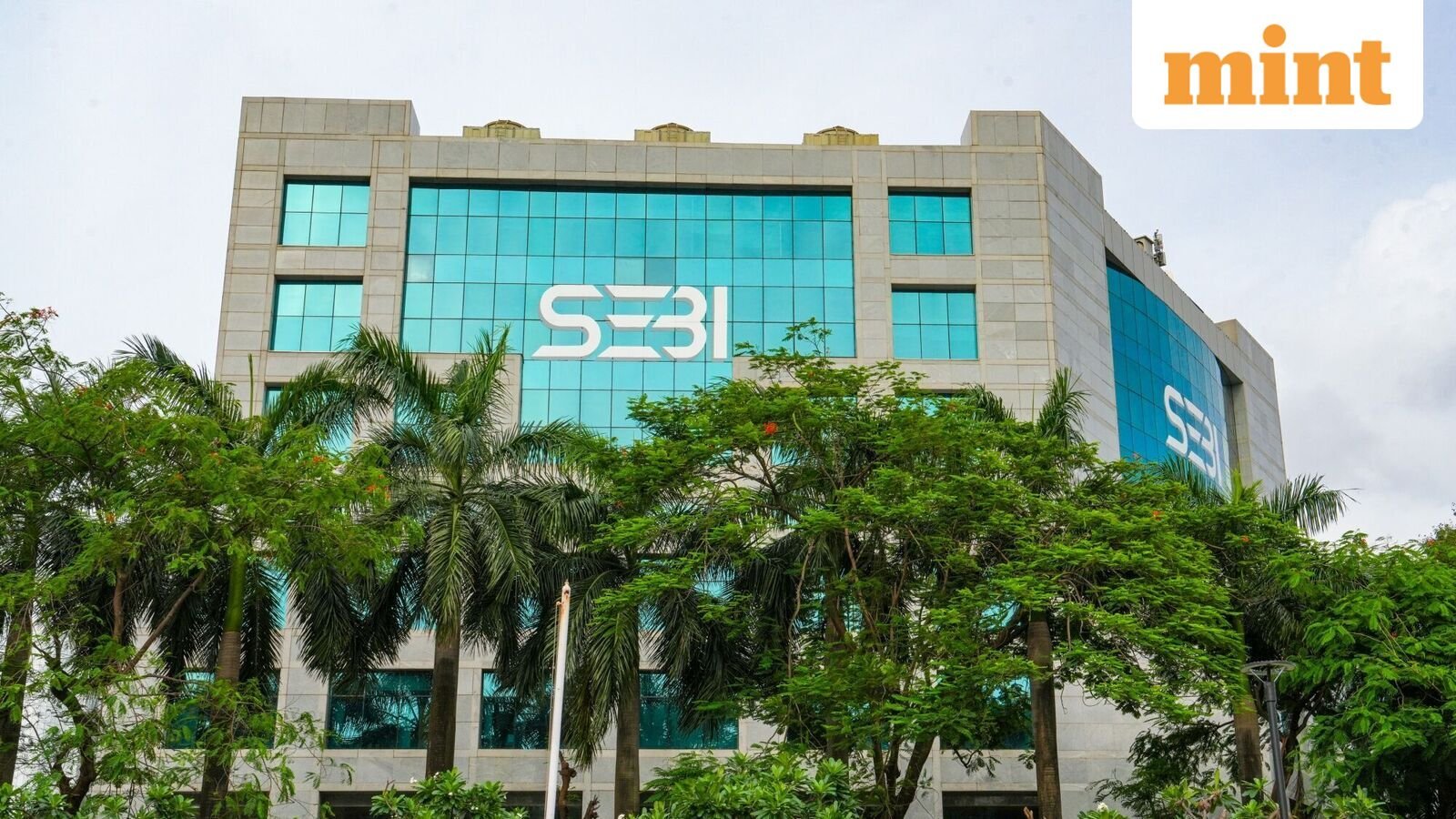
Sebi reintroduces open-market share buybacks: How your gains will be taxed and what to consider before participating
The Securities and Exchange Board of India (SEBI) has notified rules to bring back share buybacks through the open market route, meaning listed companies will be able to repurchase shares through stock exchanges instead of the tender offer mechanism. The new framework will come into effect from August 1, 2026.
The markets regulator had discontinued open-market buybacks last year, citing concerns over unequal treatment of shareholders and tax-related distortions, as the mechanism was viewed as favouring select investors.
What changes under the new framework?
Retail investors can participate in an open-market buyback by selling their shares on the stock exchange during the buyback period, just like they would in a regular market transaction.
Also, a buyback offer must open within four working days of the announcement and be completed within 66 working days from the opening date. The timeline has been shortened as the previous framework that allowed companies up to six months to complete the process.
To improve shareholder communication, the markets regulator said that companies must provide buyback related information to shareholders electronically, along with making a public announcement in a newspaper.
Sebi has aligned the interval between two buybacks with the Companies Act, 2013, under which companies must wait at least one year before going for another buyback.
How will buyback capital gains be taxed?
In accordance with recent amendments in the tax regime, buybacks are taxed in the hands of public shareholders as capital gains and the tax treatment is like normal market transactions for public shareholders, according to Aditya Prasad, Partner at Cyril Amarchand Mangaldas.
Accordingly, gains arising from such sale would generally be subject to capital gains tax at the rate of 12.5% (plus applicable surcharge and cess) where the shares have been held for more than 12 months prior to the buyback. If the shares have been held for 12 months or less, the gains would be taxed at 20% (plus applicable surcharge and cess).
Shares held by promoters and their associates in the company will remain frozen at the ISIN level during the buyback period, meaning they cannot trade or transfer those securities until the open-market buyback concludes.
Can you use capital losses to offset gains arising from shares sold in a buyback?
Since gains arising from an open-market buyback are taxable as capital gains, shareholders should be entitled to set off eligible capital losses against such gains in accordance with the applicable provisions of the Income-tax Act, said Kunal Savani, Partner at Cyril Amarchand Mangaldas.
“The availability and extent of such set-off would, inter alia, depend on the nature of the gains and losses involved and the specific facts and circumstances of the relevant shareholder,” he added.
Factors that shareholders must consider before selling their shares
In order to evaluate the effective returns from selling your shares in a open-market buyback, shareholders should not just focus on the buyback price but also consider the applicable capital gains tax rates, securities transaction tax cost, available relaxations under the Income-tax Act and availability of capital losses that can be set-off against losses, Savani advised.
Meanwhile, Apurva Kanvinde, Partner at Juris Corp added that the context behind the buyback is just as relevant as the buyback price. The company’s cash position, the scale of the buyback relative to its market capitalisation, overall share capital, and what it may indicate about the promoters’ confidence are some important factors that must be considered before participating in a open-market buyback, he noted.
“These factors, together with an investor’s investment horizon and continued conviction in the company’s long-term prospects, can offer valuable insight which ultimately allows investors to take a holistic view and assess whether participating aligns with their overall investment objectives,” Kanvinde said.
Disclaimer: This story is for educational purposes only. The views and recommendations made above are those of individual analysts or broking companies, and not of Mint. We advise investors to check with certified experts before making any investment decisions.
About the Author
Eshita Gain is a digital journalist at Mint, where she joined in May 2025. She writes on corporate developments, personal finance, markets, and business trends, with a focus on delivering timely and relevant stories to a broad audience.
While her core beat lies in business and finance, she is not confined to a single niche and frequently explores stories across domains, including international relations and policy developments.
She holds a postgraduate diploma in business and financial journalism by Bloomberg from the Asian College of Journalism (ACJ), Chennai. During her time there, she received rigorous training in tracking financial data, interpreting corporate filings, and reporting on business developments. She has pursued her graduation from St. Joseph’s University, Bengaluru in a multi-disciplinary course. Her majors included Journalism, International Relations, peace and conflict studies.
Eshita has previously worked in digital marketing, which enables her to write SEO friendly copies that are clear and engaging.
Her primary interest lies in breaking down complex subjects and writing clear, accessible copies that inform readers. She aims to bridge the gap between technical financial language and everyday understanding.
Outside the newsroom, Eshita enjoys reading non-fiction, and exploring new places, constantly seeking fresh perspectives and stories beyond headlines.