This City Clocked Record July 4th Heat—and Renters Paid Dearly for It
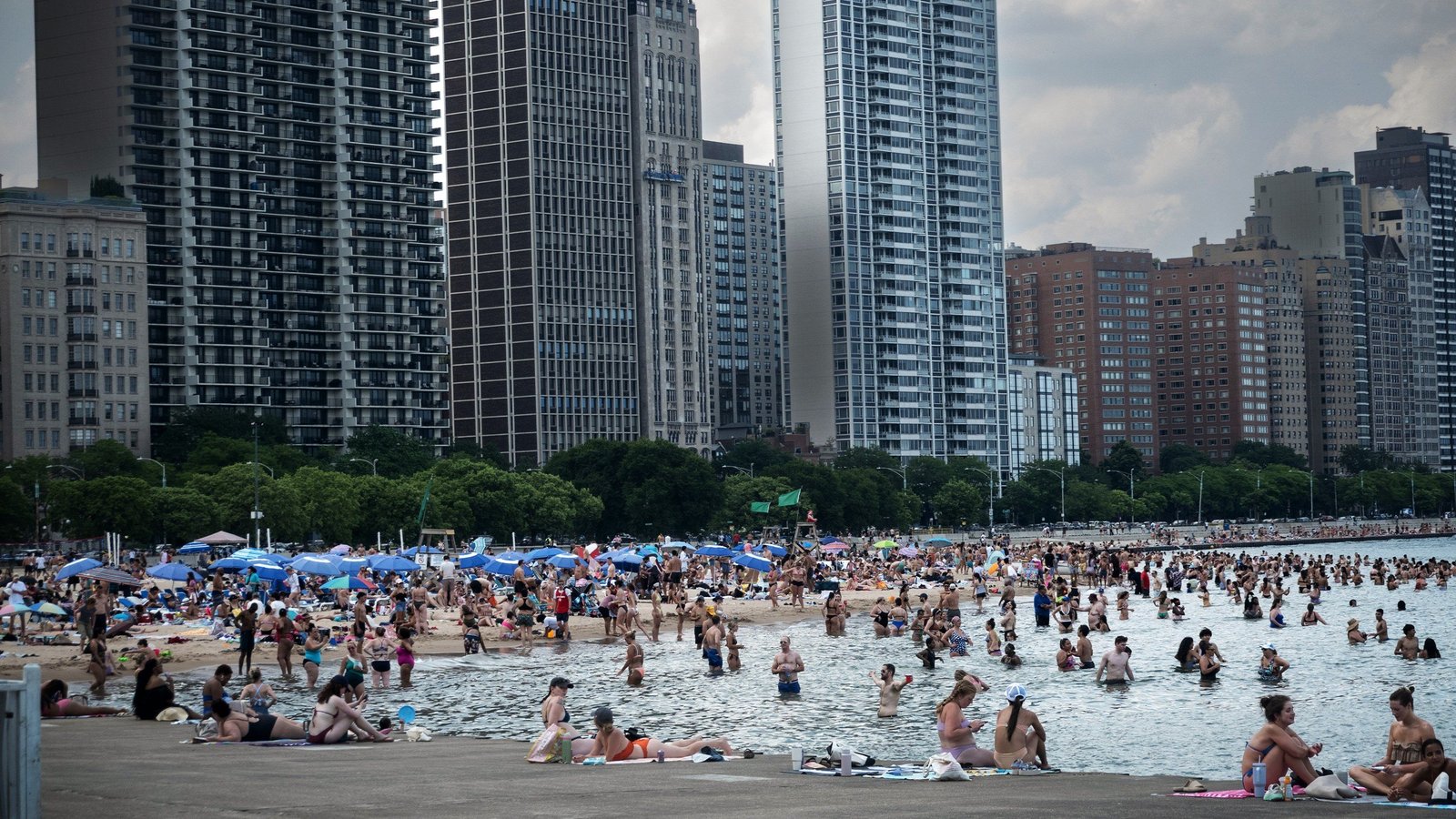
This past Fourth of July weekend was a hot one for many cities across the U.S., including Chicago where temps reached mid to upper 90s and a heat index around 100 to 105 degrees, and four people died.
For some renters in the Windy City, staying cool cost more than expected.
That’s because landlords in Chicago can charge fees for tenant-owned A/C window units to help cover increased electricity usage. They usually range from $50 to $100 and may reach up to $300 annually.
While the fees will remain legal, they’ll no longer come as a surprise, thanks to the 2026 Illinois Fee Transparency Law, which went into effect July 1. Under the new law, landlords must clearly disclose these fees in lease agreements.
Whether you rent a home in Chicago or anywhere else, it’s essential to understand local tenant laws and what you can do to protect yourself legally and financially from surprise fees that can quickly take a toll on your monthly budget.
Why cooling is a matter of safety, not luxury
The 1995 Chicago heat wave—the deadliest weather event in the city’s history— proved that access to reliable air conditioning can mean the difference between life and death.
It included a stretch of five days with raw temps over 100 degrees, claiming 739 lives and initiating major investments in cooling centers in the area.
“Chicago’s renewed focus on air conditioning makes sense, especially as extreme heat becomes more common and as the city reflects on the 1995 heat wave. Heat can escalate into a serious safety issue in no time,” says Alexandra Alvarado, director of marketing and education at American Apartment Owners Association (AAOA) in Calabasas, CA.
At the same time, it’s important to recognize that many rental properties in Chicago were not built with central air, and many smaller landlords are operating older buildings with tight margins. A window AC unit may sound simple, but there can be substantial costs tied to electricity, installation, and maintenance.
Alvarado believes that most landlords do not want their tenants living in unsafe conditions. Instead, they want clear rules, reasonable expectations, and a fair way to manage the costs.
“If the goal is to make cooling more accessible, the best solution is one that protects renters without creating a situation where small landlords are expected to absorb every new cost on their own,” explains Alvarado.
A fair approach would be transparency first, then practical solutions.
“If there is an AC fee, tenants should know about it before they sign the lease. If upgrades are needed, landlords and tenants both benefit when there are clear standards, reasonable timelines, and possibly incentives or assistance programs to help offset the cost of improvements,” Alvarado adds.
New legislation, new salvation
Chicago and the entire state of Illinois are clearly headed in the direction of more transparency in the rental process, especially around fees.
HB 3564, for example, which is now scheduled to take effect Jan. 1, 2027, mandates nonoptional fees to be clearly disclosed in the lease. It also requires landlords to disclose whether utilities are included in the rent.
“HB 3564 is likely positive for tenants and for honest landlords to the extent that it increases transparency and reduces the frequency of landlords’ attempts to foist surprise junk fees,” explains David Wolkowitz, attorney and founder at The Wolkowitz Law Office in Chicago.
However, MB 3564 could also cause unintended economic consequences.
“For example, landlords might increase rent in lieu of charging certain fees. And that would generally be bad for tenants,” adds Wolkowitz.
According to Alvarado, fee transparency by itself should not be controversial. Clear pricing helps renters make better decisions, and helps responsible landlords compete on a more level playing field.
Where landlords will become more concerned is when transparency laws expand into broader restrictions that increase legal risk or limit how landlords can manage their properties.
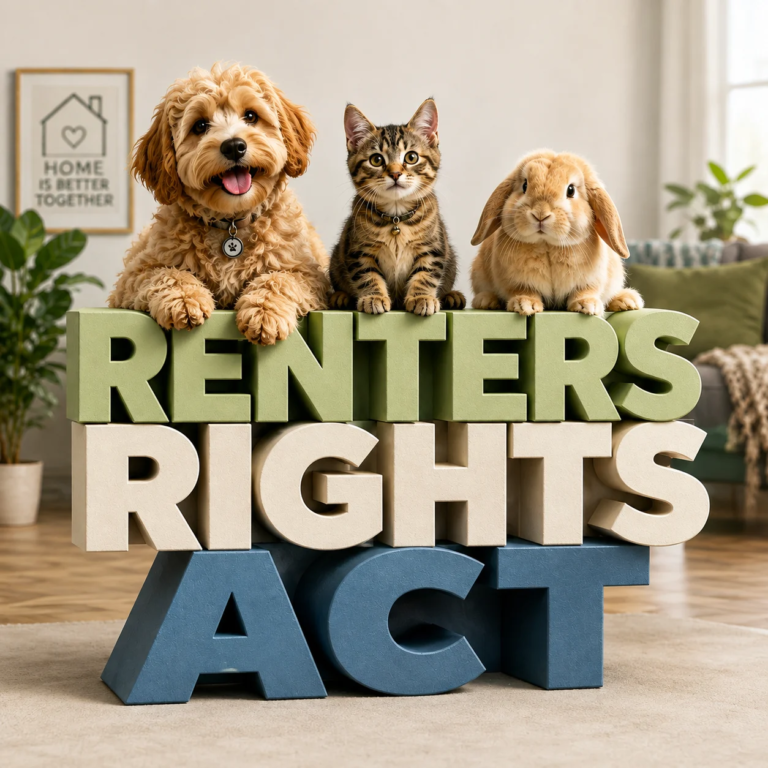
Chicago’s proposed Protecting Renters Ordinance (PRO) Act, for example, goes beyond fee transparency.
“As proposed, it would add things like stronger junk fee rules, a rental registry, a new enforcement structure, just-cause eviction protections, and expanded legal support for tenants,” Alvarado explains.
For renters, it could mean more stability and more tools to challenge unfair practices. For landlords, especially smaller operators, it could mean more paperwork, more legal exposure, and less flexibility when a lease ends. That’s why balance matters.
“The policy goal may be tenant protection, but the long-term impact also depends on whether smaller housing providers can realistically comply without being pushed out of the market,” says Alvarado.
Alvarado points out that some AAOA members in highly regulated markets are already changing their practices because they’re worried about liability.
Some have stopped charging certain fees, and some have stopped using criminal records in their screening process because the rules have become more complicated.
“That may feel like a win for renters in the short term, but over time, if small landlords leave the market or sell to larger operators, renters may end up with fewer choices,” notes Alvarado.
Wolkowitz believes that when being a landlord becomes too unpleasant, more apartments will likely be converted to condos, and that will increase in rent prices.
“Again, more unintended consequences,” adds Wolkowitz.
How other cities are handling this
The recent heat wave makes this conversation feel more urgent, but Chicago is not alone.
“We’re seeing cities and states across the country start to treat cooling access and fee transparency as housing policy issues, not just comfort issues,” says Alvarado.
New York City, for example, has a new right to cooling law which would require landlords to provide a cooling system upon a tenant’s request. The system must maintain an indoor temperature of 78 degrees Fahrenheit where the tenant sleeps. However, it won’t be fully enforceable until 2030.
There’s also the Fairness in Apartment Rental Expenses (FARE) Act, which ensures landlords disclose all fees to tenants before they sign a lease.
“In a place like Philadelphia or Boston, the rules just apply to heating for now,” explains Alvarado.
Massachusetts has a strong anti junk fee law recently passed last year. Washington, DC and Maryland have more specific cooling rules for apartment buildings enforced by the Department of Buildings (DOB) and Code of Maryland Regulations (COMAR).
“I predict we’ll see these types of laws continue to pop up in other cities and states as extreme heat becomes a bigger housing and public health issue. The challenge will be making sure these policies protect renters without placing the full cost and liability on small housing providers,” explains Alvarado.
What this means for tenants moving forward
For tenants, the clearest benefit of the new legal landscape is that the total cost of renting will be easier to understand.
The bigger question is how far tenant rights will expand beyond disclosure. Fee transparency gives renters better information. Just-cause eviction protections and rental registries go further by changing the relationship between the landlord, the tenant, and the government.
“If Chicago’s PRO passes in its current or similar form, renters may have more ability to remain in their homes and challenge certain lease non-renewals or fees. That could provide more housing stability,” explains Alvarado.
However, it also means landlords may have less control over when and how a lease relationship ends.
Many landlords view a lease as a mutual agreement with a defined term. If the rules make it much harder to end that agreement, even after the lease term expires, some landlords might feel like they are being forced into an ongoing relationship—unless they can meet very specific legal conditions.
“Good policy should protect tenants from unfair or deceptive practices while still allowing landlords to manage risk, maintain their properties, and make reasonable business decisions,” Alvarado adds.
How tenants can protect themselves
If you’re a renter, in Chicago or elsewhere, be sure to read a full lease agreement thoroughly before signing it.
“Many renters focus on the rent amount and move-in date, but the real cost of the apartment is often found in the details, including utilities, pet fees, parking, move-in fees, late fees, and seasonal charges like a window-AC fee,” says Alvarado.
Also, don’t be afraid to ask questions and request a written list of all required fees.
“Find out whether utilities are included in the rent, whether there are any seasonal charges, and whether there are extra costs for things like air conditioning, trash, pest control, parking, or maintenance requests,” explains Alvarado.
Additionally, take advantage of listing platforms that require more complete fee disclosure.
“We saw a similar shift with short-term rental platforms, where more upfront pricing made it easier for consumers to compare options,” Alvarado says.
If a new fee suddenly appears that wasn’t disclosed upfront, don’t assume you have to pay it.
“Ask where it’s authorized in the lease before you write the check,” explains Yosi Yahoudai, co-founder and managing partner of J&Y Law in Los Angeles.
In the event you believe a landlord is trying to impose junk fees or other undisclosed fees illegally, consult an attorney. And make sure you document everything to help prove your case.
“Documenting communication can help tenants prove landlords violated the law,” says Wolkowitz.
At the end of the day, clear rules, clear leases, and clear communication are the best way to reduce conflict.
Manage your rentals like a pro.