For Utah de novo bank, second time appears to be a charm
- Key insight: The organizers of a Utah de novo bank, Bank of St. George, say the regulatory approval process has been smooth. Travis Hill, chairman of the Federal Deposit Insurance Corp., has been trying to make it easier for new banks to open.
- Supporting data: Twenty-one groups have filed deposit-insurance applications since the start of November, according to FDIC statistics.
- Expert quote: “Faster review times are a welcome development, but there is room to streamline the process, particularly for traditional community banks.” — Michael Emancipator, senior vice president and regulatory counsel at Independent Community Bankers of America
A Utah group had appeared poised to open a community bank in 2020 before the COVID-19 pandemic derailed its plans. Now its second effort is making headway, and organizers expect the bank to open by the end of 2026.
Processing Content
“I think we will, but it could be January if it gets too close to the holidays,” Bruce Jensen, CEO of the planned Bank of St. George, told American Banker. “That’s the only reason we wouldn’t open before the end of the year.”
Bank of St. George received conditional approval from Utah’s Department of Financial Institutions last week. Meanwhile, the Federal Deposit Insurance Corp. has approved its deposit-insurance application.
“New bank activity reflects the health of the Utah economy and its banking industry,” Utah Commissioner Shaun Berrett said Wednesday in a press release. “We are pleased to welcome Bank of St. George.”
Bank of St. George’s progress toward opening comes as interest in de novo banking appears to be on the upswing. Six new community banks have opened so far in 2026, up from four for all of 2025. Another 21 groups have filed deposit-insurance applications since November, according to FDIC statistics.
The initial Bank of St. George group had aimed to raise between $18 million and $22 million of capital. The group was just about to
“We had basically our whole team set up,” the CEO recalled. “We were ready to go. We got about two-thirds of the way through our capital raise before COVID nailed the door shut. … We wound up withdrawing the application.”
After calling it quits with Bank of St. George, Jensen worked with the team that created Redemption Bank. That group acquired Holladay Bank & Trust near Salt Lake City in June 2025,
The $71.6 million-asset bank was subsequently renamed Redemption, and Jensen was appointed its first CEO. He stepped down in February.
Jensen said he struggled with the long commute between the Salt Lake City area and his home in St. George, located near the southwestern corner of the state. Jensen never gave up hope of reviving the Bank of St. George project, so he was receptive when some of the former organizers broached the subject, he said.
“It’s kind of the fulfillment of an opportunity lost,” Jensen said.
Jensen founded Town & Country Bank in St. George in 2006. He served as CEO until the bank’s $26.8 million sale to People’s Utah Bancorp in 2017. Of the three de novo projects he’s worked on, the current Bank of St. George has been the smoothest, both from a regulatory standpoint and a capital-raising perspective, Jensen said.
During his first two de novo bids, regulators from the FDIC or the state would call throughout the application process with questions, Jensen said. But for the latest Bank of St. George, the FDIC and Utah regulators sent a team on site conducting a comprehensive, week-long interview of Jensen, his proposed management team and leading organizers.
“It was as if they were doing an exam,” Jensen said. “We had three from the FDIC and one from the state. …They came on-site. I was sitting in my office. They were in a conference room, just like in an exam. They’d say ‘We noticed you projected this,’ or `What was your basis for doing this?’ It was much more thorough” than previous iterations.
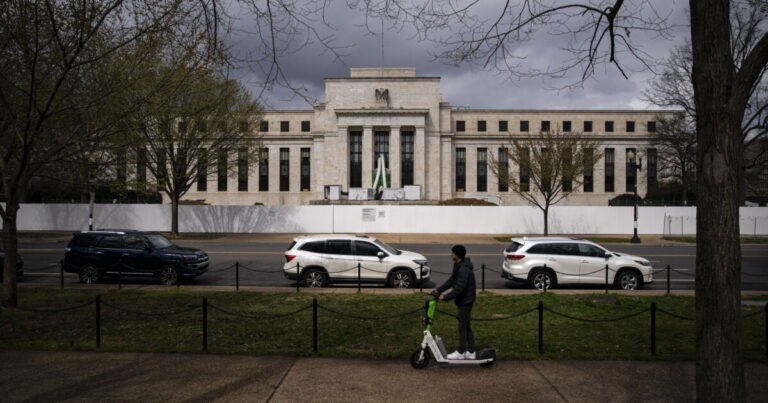
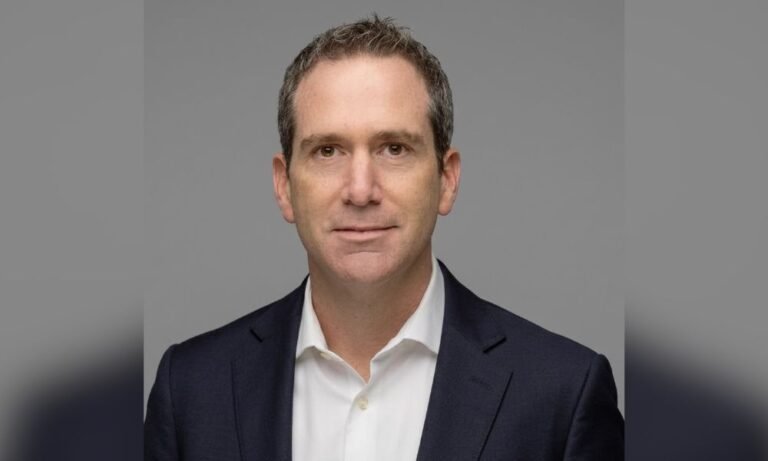
FDIC Chairman Travis Hill has sounded the alarm over new bank formation “falling off a cliff.” The agency is considering a range of policy initiatives to promote de novo banks. FDIC is also working to make the application process more efficient, including coordinating with chartering authorities on timeframes, site visits and interviews, according to a source familiar with the de novo application process.
Michael Emancipator, senior vice president and regulatory counsel at the Independent Community Bankers of America, said the trade group has been encouraged by the progress regulators have made streamlining the de novo application process. Emancipator hopes the trend will continue.
“Regulators appear to be making a serious effort to process de novo applications more efficiently, though starting a new bank remains a time-consuming and expensive undertaking,” Emancipator told American Banker in an emailed statement. “Faster review times are a welcome development, but there is room to streamline the process, particularly for traditional community banks.”
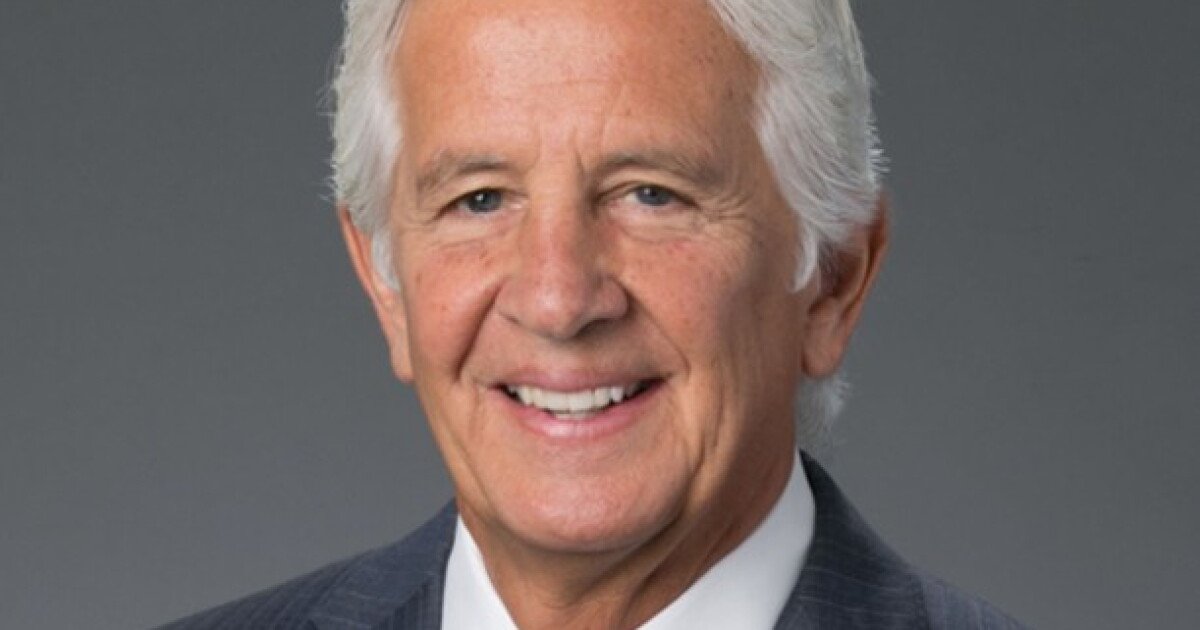
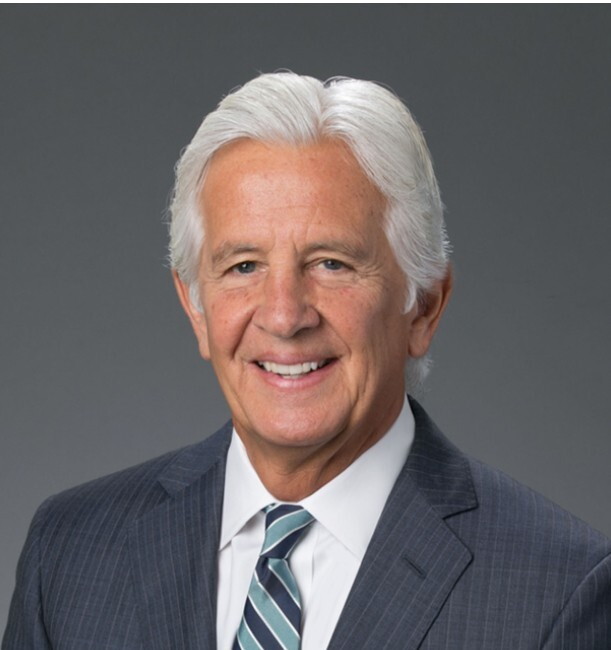
Bank of St. George’s capital concerns were eased when its chairman, Fred Lampropoulos, the retired founder of Merit Medical Systems in South Jordan, Utah, agreed to invest about $20 million in the effort. Lampropoulos had also agreed to invest in the original Bank of St. George.
Lampropoulos’ high profile adds significant credibility to the current organizing team, Jensen said. Merit Medical is a publicly traded company that reported more than $1.5 billion in revenue in 2025. Lampropoulos, who founded Merit in 1987, stepped down as CEO in October 2025.
“Fred has been huge,” Jensen said. “He’s a larger-than-life person.”
Bank of St. George intends to operate as a “relatively traditional” community bank, focusing on serving small and mid-sized businesses, Jensen said. Despite the plain-vanilla business plan, Jensen expects to capitalize on plenty of demand in the fast-growing St. George market.
The county seat of Washington County, St. George had a population of 109,000 in July 2025, up 14% since 2020, according to the U.S. Census Bureau. The city’s deposit market has grown 25% in the same span to $3 billion, according to FDIC statistics.
“St. George is attracting people from everywhere,” Jensen said.