Credit cards: A financial convenience or a debt trap? Experts explain how smart usage makes the difference
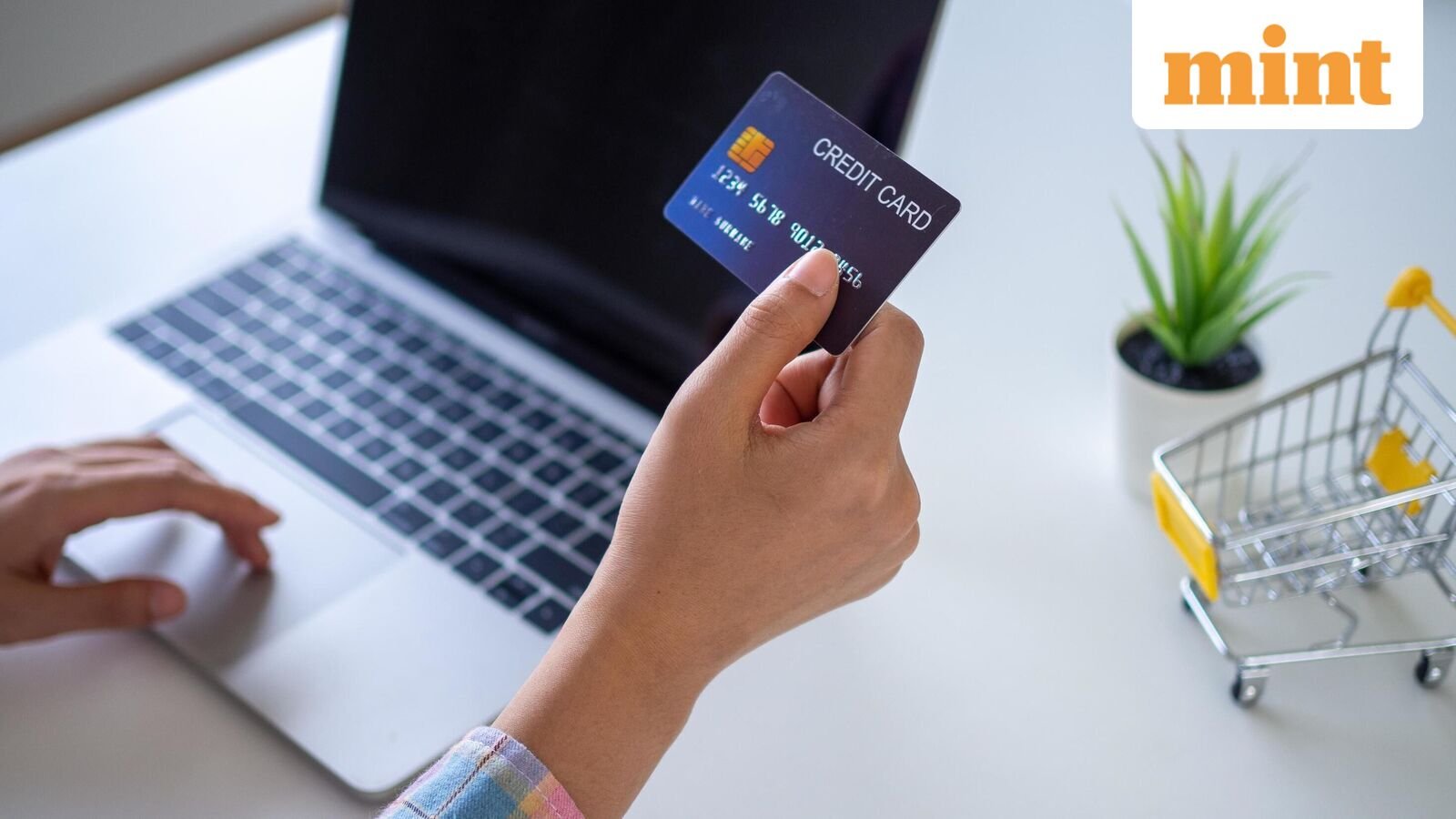
Credit cards have now become an indispensable part of modern financial lives across the nation. This is because these credit tools provide day-to-day users with comfort, convenience, rewards, and access to short-term credit.
Furthermore, from online shopping to travel-related bookings and emergency expenses, their ease of use enables transactions and helps reduce dependence and mounting debt.
Now, whether your credit card eventually ends up becoming a financial friend, i.e., an ally or a serious economic burden that culminates in a debt trap, ultimately depends on how diligently and responsibly you use it. This makes a proper understanding of credit cards as a credit tool indispensable before you introduce them into your day-to-day lives.
Responsible usage determines the outcome
It is critical to keep in mind that categorising credit cards as risky and difficult tools to handle is not the most prudent conclusion; This is because it is the behaviour and responses of holders that ultimately define outcomes and credit card usage experiences.
Mukesh Pandey, Founder & MD, Rupyaapaisa.com, explains this in detail, stating, “The cause of the problem lies not in the card itself but instead relates to the irresponsible financial behaviour we practice. India’s use of credit cards crossed ₹2 lakh crore in May 2026, which indicates that the plastic card has already become a common part of our spending habits.”
He further added, “Impulsive purchases, laziness in making payments, withdrawals of cash, as well as continuous accumulation of debt, can successfully ruin one’s life. It is very important to understand that a credit card is a payment instrument and not something people use to borrow money. In case a credit card holder makes his or her payments in a timely manner, the card proves to be an extremely effective means of getting rewarded.”
This observation underlines a key aspect of personal finance: credit cards are immensely beneficial when they are used responsibly, and bills are cleared on time without delays. Further, delay in repayments, holding up of revolving balances, and frequent cash withdrawals can quickly lead to high-interest debt. Such practices must be avoided at all costs.
Expanding credit access responsibly
Given concerns over debt management related to credit cards continue to remain valid. Experts also see the lack of proper awareness on the ways in which credit cards should be used and the immense untapped potential in the nation’s credit market.
Rohit Mahajan, Founder & CEO, plutos ONE, touches upon this aspect, stating, “India currently has over 12 crore active credit cards, but still falls short of its potential. There is a need for at least 4-5 times more cards, but the growth will have to come from secured or FD-based credit cards. The emphasis should not be on distributing multiple cards to the same premium clientele but guiding access to new and underserved consumers in an efficient, sustainable manner.”
Secured or fixed deposit-backed credit cards, therefore, can help first-time users and less experienced credit users build credit histories while limiting financial risk, creating a more inclusive and sustainable credit ecosystem. Keeping these important observations in mind, let us discuss the benefits and possible risks associated with credit cards in detail:
|
Credit Cards: Benefits vs Risks |
Benefits |
Potential Risks |
|---|---|---|
| Spending | Convenient cashless transactions | Impulsive and unnecessary purchases |
| Financial Management | Interest-free period on timely repayment | High interest on unpaid balances |
| Rewards | Cashback, reward points, travel benefits | Overspending to earn rewards |
| Credit Score | Builds a strong credit history with responsible use | Missed payments can hurt your credit score |
| Accessibility | Emergency financial support | Debt accumulation, if mismanaged |
In conclusion, it can be said that credit cards are neither inherently beneficial nor decisively harmful. They are financial tools that serve unique purposes and whose impact depends on user discipline. Sensible spending, timely repayments and well-planned borrowing habits can assist individuals in unlocking rewards and building a healthy credit profile and a solid credit score.
Therefore, as the nation’s credit card market continues to evolve, financial literacy will remain the key factor in ensuring credit cards serve as a comforting tool rather than becoming a debt trap.