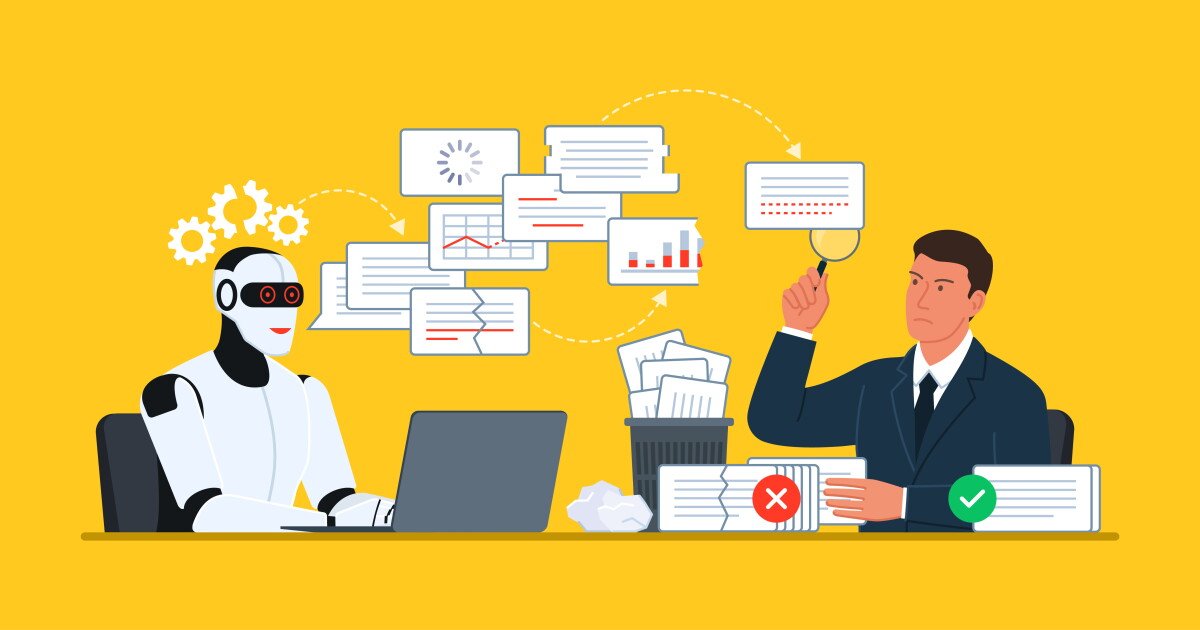

Imagine this: A CPA asks an AI tool to research a complex tax issue. Within seconds, it generates a beautifully written report mapped with all regulatory citations and a confident recommendation. The CPA reviews it, sends it to the client and moves on. Sounds familiar?
Processing Content
There is just one problem. The regulation doesn’t exist. AI made it up.
This is a hypothetical scenario, but the risk is real. When something goes wrong, the client isn’t going to sue the AI company, but the CPA. The accountant remains accountable. Period.
This raises a serious and unavoidable question- Should AI literacy become a core CPA competency? The good news is that the CPA Exam already knows AI exists.
2026: AI wasn’t new to the CPA exam
The
The
Why does that matter?
Imagine an auditor receiving a 50-page AI-generated analysis of inventory movements. It identifies discrepancies, recommends adjustments and concludes that the inventory balance appears reasonable. But, should the auditor trust it? Of course not! Not without understanding the data, evaluating the analysis and obtaining sufficient appropriate audit evidence. AI can generate information. But, it cannot take responsibility for the audit opinion.
Think of it as a glorified assistant. You would be grateful for the work done by the assistant, but you would still check the work before sending it off to a client. To be clear, the 2027 blueprint did not introduce AI verification for the first time. Those responsibilities were already reflected in 2026. Nor does it create a separate AI examination. But what 2027 does differently is put AI-generated information in the spotlight as a potential source of audit evidence, making the need to question it more critical than ever. It does seem like a step forward but not a leap just yet.
What does an AI-literate CPA look like?
Consider two accountants using the same AI tool.
One asks AI to prepare a financial analysis, copies the results into a report and sends it to management. The other checks the underlying data, questions unusual assumptions, verifies the calculations, investigates inconsistencies and documents the review. Both know how to use AI, but only one demonstrates responsible AI literacy. And that is the distinction professional education must recognize.
AI literacy isn’t about writing clever prompts or knowing which AI tool is trending. It means understanding AI’s limitations, detecting fabricated information, protecting confidential data, recognizing bias and knowing when human judgment must override a machine’s recommendation.
Picture a CPA Exam question: An AI tool recommends a tax deduction and supports it with three authoritative-looking citations. One citation is fabricated, another is outdated, and the third does not apply to the taxpayer. Or imagine an AI system identifies no significant anomalies in revenue. The underlying dataset, however, excludes the final month of the financial year.
Would the student recognize the danger?
These scenarios test something far more valuable than software proficiency: professional skepticism in an AI-enabled workplace. Foundational AI literacy should be assessed across the CPA exam’s Core sections, with more advanced competencies addressed through specialization.
Here is an even scarier reality: A CPA who passed the examination 15 years ago may never have studied generative AI, hallucinations or algorithmic bias. Yet that same CPA could now be approving AI-assisted tax advice, supervising automated audits or signing off on financial reports prepared with AI. Shouldn’t continuing professional education evolve too? It should teach them how to identify errors, challenge outputs, protect client information and remain accountable.
The AICPA deserves credit for recognizing AI-related risks in the 2026 blueprints and making AI-generated evidence more explicit in 2027. There is a burning need for AI literacy to become a core competency for every CPA. In a profession built on skepticism, evidence and trust, the greatest risk isn’t what AI doesn’t know. It’s that accountants may not know what AI doesn’t know.