For investors, a truly safe haven is hard to find

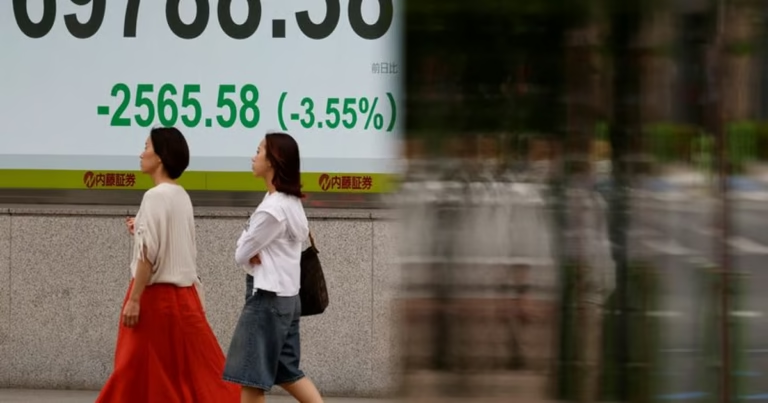
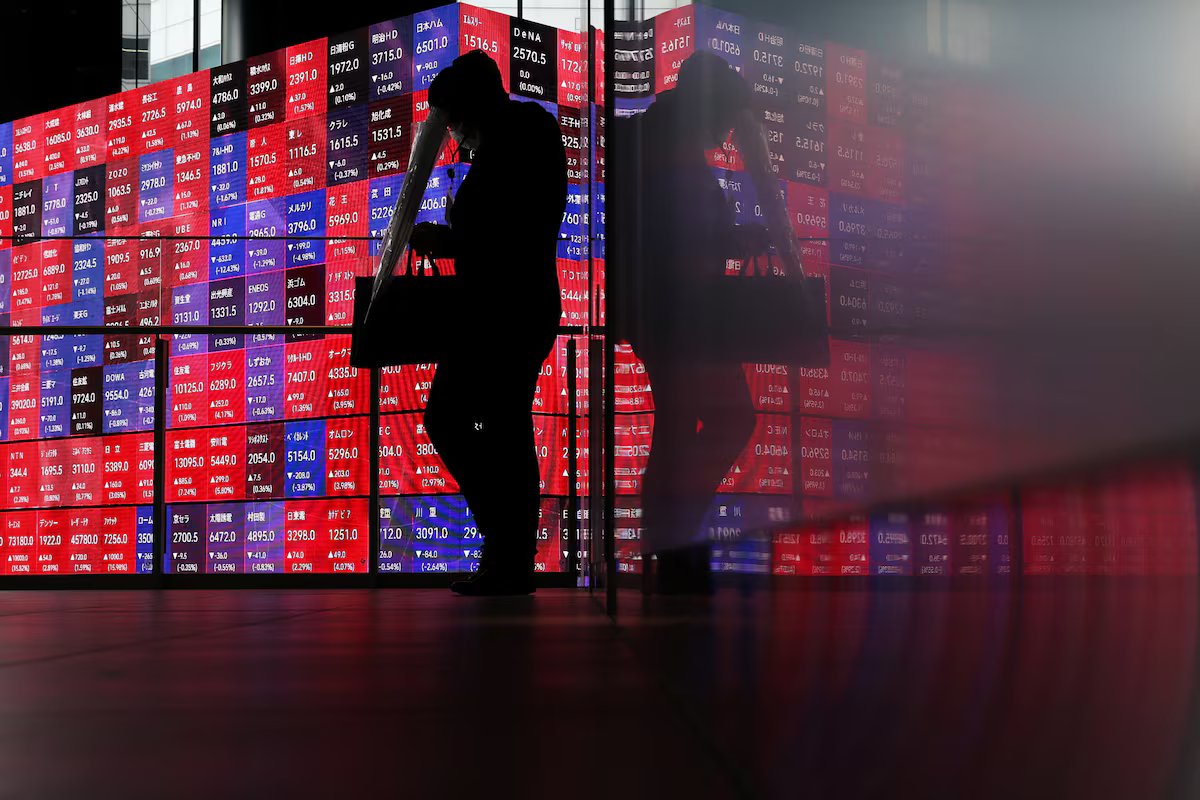
When stocks tumbled this month, investors did what they have done for decades and bought U.S. Treasuries and the Japanese yen. But recent selloffs have exposed a growing problem: assets meant to cushion portfolios do not always work when investors need them most.
In April 2025, fears about U.S. tariffs sparked an equity selloff, but Treasuries did not provide their usual cushion. Long-dated bonds sold off alongside stocks, pushing 10-year yields sharply higher as investors fretted over inflation, fiscal risks and strained market liquidity. The start of the U.S.-Israeli war with Iran on February 28 brought a similar dynamic: oil jumped and bond yields rose on fears inflation would rise.
Gold has been just as erratic. It sank with stocks in late October, breaking through technical support and touching a one-year low.
“You’re running out of safe-haven fingers to count on,” said Steve Englander, global head of G10 FX research and head of North America macro strategy at Standard Chartered Bank.
Safe-haven assets tend to hold their value or rise when markets fall. Investors buy them to offset losses elsewhere in their portfolios.
Positioning can matter as much as fundamentals. After a shock, Englander said, the strongest haven can simply be the asset investors were short and are forced to buy back.
Treasuries remain the world’s biggest and most liquid market, and investors have long fled to them in a crisis. But when the threat is inflation and Federal Reserve tightening, bonds can decline alongside stocks.
Will Compernolle, a macro strategist at FHN Financial, said volatility around U.S. tariff announcements last year made it difficult to judge whether Treasuries had lost appeal. Rumors of a “Sell USA” trade, he said, did not show up meaningfully in international transaction flows. Recent events, including volatility due to France’s fiscal worries, meanwhile, showed Treasuries “do retain their safe-haven status.”
“If there’s a risk-off mood, Treasuries are attractive,” he said. “But if there’s inflation or geopolitical risk, very few things are safe.”
Campbell Harvey, a finance professor at Duke University’s Fuqua School of Business, called U.S. Treasuries “the bellwether safe asset in the world.” But stocks and Treasuries have increasingly moved in the same direction, he said, and the benchmark portfolio of 60-per-cent stocks and 40-per-cent bonds has taken “a battering.”
“Historically it’s been reliable,” Harvey said. “However, the diversification benefit has decreased.”
He also pointed to the scale of U.S. borrowing: debt of US$40-trillion, deficits of about US$2-trillion a year, and interest payments of US$1.1-trillion a year. Treasuries now come with added risk, he said.
Gold’s reputation as a refuge rests on long holding periods. Harvey said gold is highly reliable “over the extreme long term, which means centuries,” but not over the short term.
Its annualized volatility, above 15 per cent, is similar to the S&P 500’s. Its correlation with stocks is close to zero over three- to five-year windows, but he cautioned this is an average and short periods can deviate sharply. His research shows that upside inflation surprises are usually associated with weak markets, and gold can fall in those episodes too.
Suki Cooper, Standard Chartered’s global head of commodities research, said gold’s role “has really evolved.” Investors increasingly value it as a high-quality liquid asset they can tap in extreme scenarios. When sharp equity pullbacks trigger margin calls, she said, gold is a prime candidate to sell, especially after it had been scaling record highs until January.
Over longer holding periods, Cooper said, structural drivers remain in place. Those include record central-bank buying since 2022 and concerns about global debt, de-dollarization and currency debasement.
For currencies, each candidate has a weakness, Englander said.
The Swiss franc is expensive. The euro faces political and economic challenges. Sterling has had a good run, but the Labour government is further to the left than any British government in many years, he said. The yen has had mixed performance, but can be attractive as a safe haven if market volatility is not driven by oil prices. The yen is sensitive to oil prices as Japan relies on imported energy.
The dollar offers greater safety and yield than many other currencies. An investor can put money into Treasuries, “clip a 4.5-per-cent coupon” and decide later where to invest when volatility subsides. “By default,” Englander said, that is “probably the safest of the safe havens.”
Harvey said no single asset has proven a dependable all-weather hedge. Gold and Treasuries are parts of a defensive portfolio. Commodities and other real assets and inflation-adjusted Treasuries also have roles, along with active strategies, he said. For example, quality strategies — going long high-quality companies and shorting low-quality ones — may lose less in big drawdowns. Trend-following strategies can do well during selloffs.
None of these work reliably on their own, he said. Combined, though, “you increase the chance that your defensive portfolio will actually work.”