
SEC moves to rein in executive pay disclosures to investors
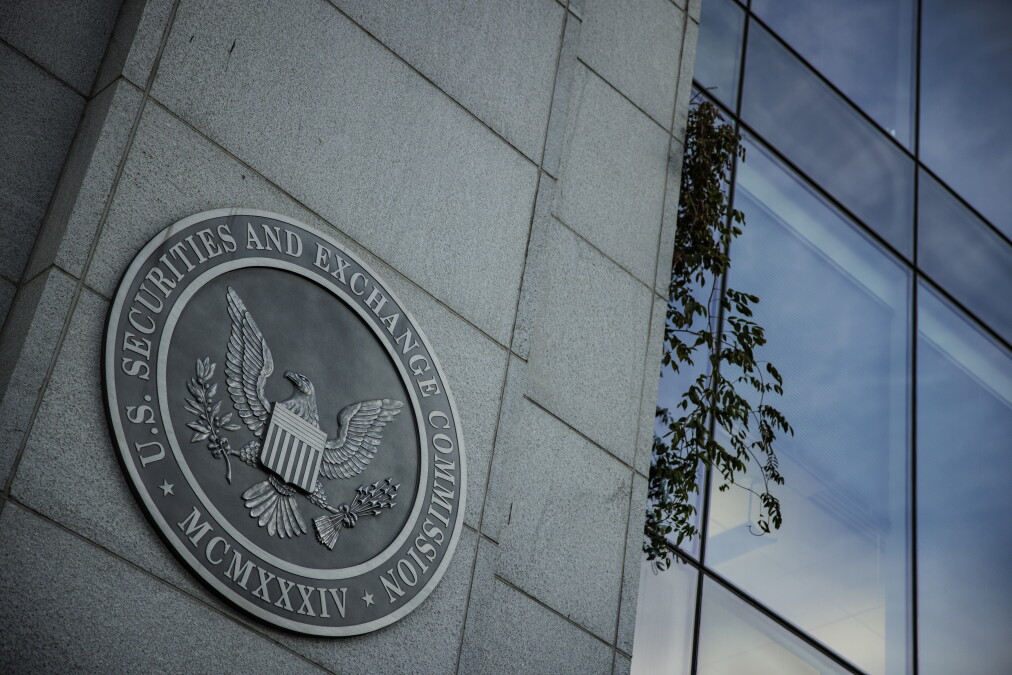
Executive compensation disclosures are in for an overhaul as part of the Securities and Exchange Commission’s plan to scale back the information that publicly-traded companies must give investors.
Processing Content
The Wall Street regulator
It would also significantly raise the threshold for reporting executive perks, like security details and personal travel, to $150,000 from the current $10,000. The proposal would leave it up to companies to determine if security costs should count as a perk.
“Today’s amendments aim to reduce compliance burdens for companies while remaining faithful to the congressional mandate,” SEC Chairman Paul Atkins
The SEC currently requires public companies to issue annual disclosures about the amount and type of compensation given to their top executives, reveal how they came to the compensation decisions and how much of the pay is tied to performance. The push to rein in how much of that information is shared with investors comes as the Trump administration looks to
In its economic analysis of the
As part of the plan, disclosures of a company’s compensation clawback policy would be reduced. It would also simplify pay-versus-performance disclosures by eliminating the “compensation actually paid” calculation, which the agency called “complex,” to total compensation earned.
Pay ratio disclosures meant to show how executive compensation compares to that of “median employees” would also be reclassified to refer only to full-time, U.S.-based employees. Current rules require companies to include all individuals employed by a company, including overseas, seasonal and part-time employee metrics relevant for many companies in manufacturing and retail industries.
“The proposed amendments aim to reduce compliance burdens for registrants where there is not commensurate benefit for investors and would provide registrants with more flexibility to present their disclosures in a way that is consistent with how compensation programs are constructed today and better represents the intention of their boards of directors and compensation committees,” the agency said in a statement.
Atkins has long signaled his intent to overhaul the scope of the disclosures and described the requirements as a “Frankenstein patchwork of rules,” some of which were congressionally mandated and many that were not. He has also criticized the growing length of disclosures, saying it adds compliance costs to companies without commensurate investor benefit.
However, some activist hedge funds, institutional asset managers and retail investors are likely to push back against what would be a significant reduction in information available for their investment choices.
The SEC will give the public 60 days to comment on the proposal. After that, the agency will incorporate the feedback into a final rule, which must be approved by a commission vote before it can become effective. Historically, the rulemaking process has taken between 12 to 18 months.