Wholesale Inflation Pressures Persist, Raising Concerns for Housing Industry
Wholesale prices rose less than expected in October.
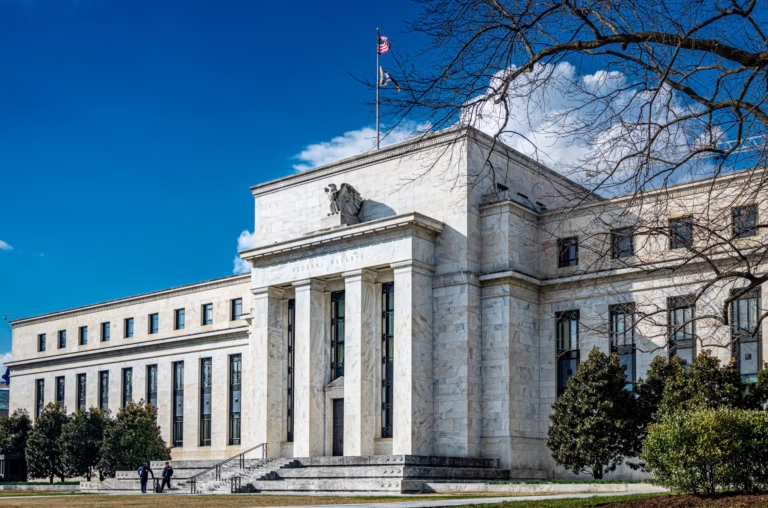
Inflation pressures persisted, too, and the Federal Reserve is likely still on target for an interest rate increase soon, according to CNBC.
The producer price index measures the prices domestic producers get for their products before they reach the consumer, and it rose a seasonally adjusted 0.3% for the month, against the Dow Jones consensus for a 0.4% increase, the Bureau of Labor Statistics reported Friday.
The PPI affects the housing industry primarily through construction costs, building materials, home prices, and housing supply. Because it measures prices producers receive for goods and services, the PPI provides an important indication of inflationary pressures facing homebuilders, contractors, developers, and other real estate businesses.
Stripping out food and energy, core PPI posted a 0.3% gain, meeting expectations, CNBC reported.
On an annual basis, headline PPI accelerated 6.5%, up 0.2 percentage points for the highest annual rate since November 2022, CNBC noted.
Fed Will Meet in December
The BLS report comes just a few weeks ahead of the Federal Reserve’s next policy meeting on Dec. 8-9.
Markets are pricing in a quarter percentage point increase in the Fed’s overnight borrowing rate, with slight odds that the Federal Open Market Committee might opt for a half-point hike, CNBC noted.
Earlier, the BLS reported that inflation at the cash register was hotter than expected.
CNBC reported that the headline consumer price index saw a 0.4% increase in October while core was up 0.3%, both 0.1 percentage point higher than expected. The BLS couldn’t collect some data because of the government shutdown in October 2025, and refrained from putting out a 12-month inflation figure for CPI.
The Fed remains a good distance from its 2% inflation goal.
“Today’s PPI data – which shows some signs of improving, albeit still too high – is unlikely to change the Fed’s approach in December because the CPI data was already outside their comfort zone,” said Chris Zaccarelli, Chief Investment Officer for Northlight Asset Management.
Higher Fuel Prices
Policymakers are beginning to worry that inflation generated by the Iran war and higher fuel prices, along with President Donald Trump’s tariffs, are beginning to spread through the economy, CNBC noted.
“We’ve had some signs of trouble now for several months in a row,” Chicago Fed President Austan Goolsbee said in a CNBC interview Friday. “If you look at how broad-based the inflation is, it’s not just that we’re above the target and have been for some time. It’s that in categories that are not driven by oil prices and not driven by tariffs, you’re still seeing stalled progress and in some cases going the wrong way.”
Stripping out food, energy and trade services, PPI saw an increase of 0.5% in October.
Goods prices rose 0.5% in October, with more than 60% of that move driven by goods excluding food and energy, which actually showed a 0.1% decrease, CNBC said. On an annual basis, the goods index rose 10.2%, the biggest 12-month surge since October 2022.