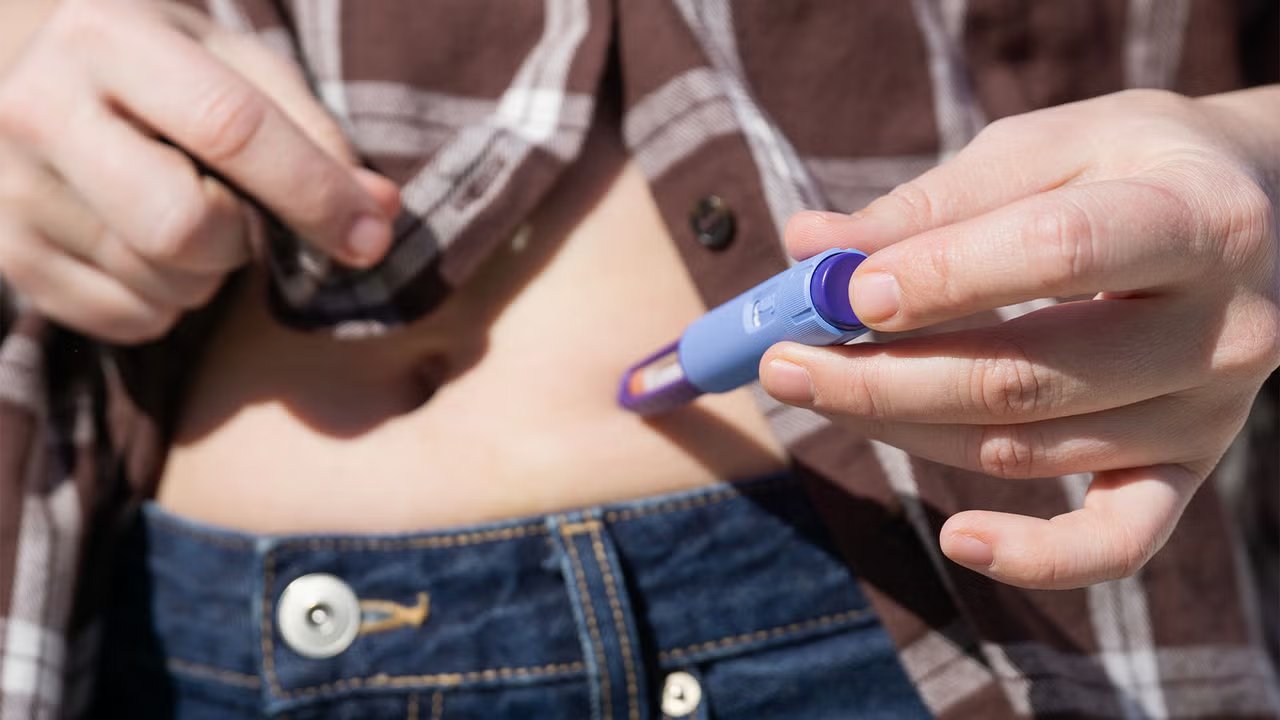
Ozempic may have a scary effect on your hair
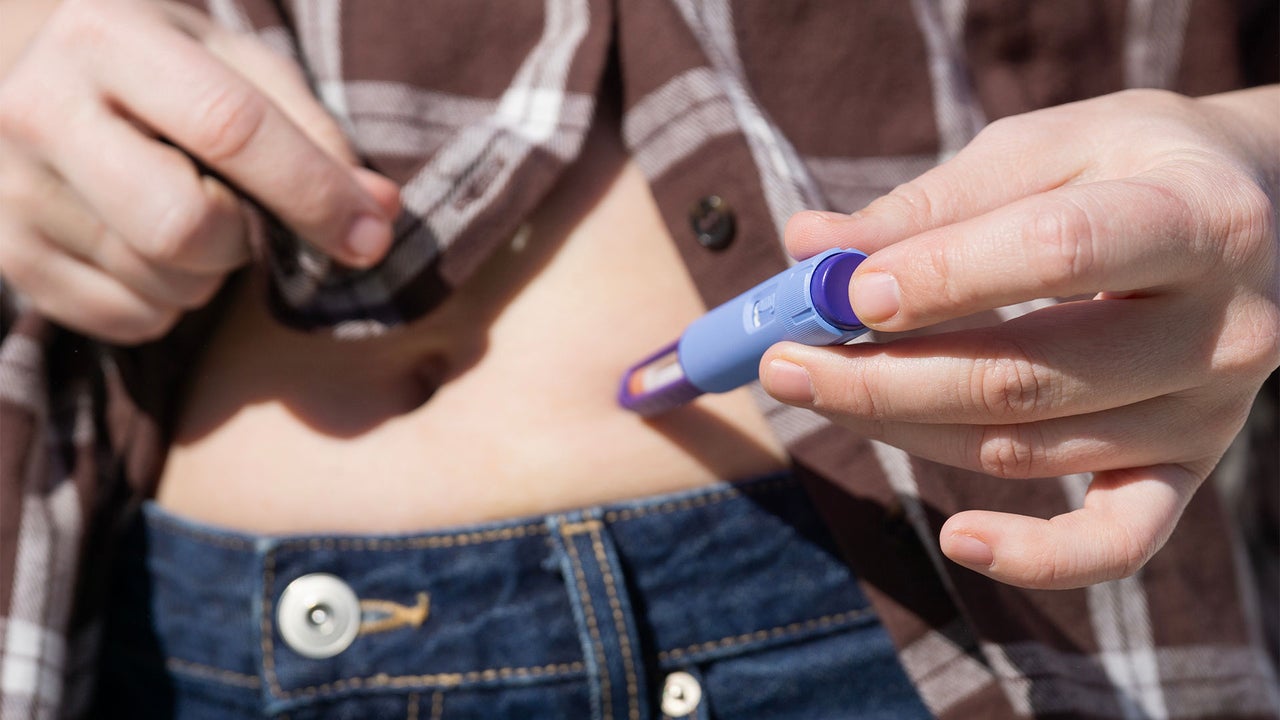
Though GLP-1 drugs like Ozempic, Wegovy, and Zepbound are lauded for their transformative effects, including weight loss and lower blood sugar, they’re not without their side effects. Those can include nausea, bone density loss, and digestive troubles—and according to a new study, another physical change may be joining that list.
Researchers at the University of Pennsylvania compared patients taking GLP-1s to treat their Type 2 diabetes with those using other treatment options and found a hair-raising connection: Taking GLP-1s correlated with a higher likelihood of hair loss compared to taking other drugs.
Linking GLP-1s and alopecia
This study, published this week in The BMJ, isn’t the first to suggest that GLP-1s and hair loss could go hand in hand. In 2023, the FDA required that GLP-1s including Ozempic and Wegovy list alopecia as a potential adverse effect.
But since then, little research has been conducted into the connection between GLP-1s and hair loss. That’s why the researchers decided to dig deeper, examining 12,000 Type 2 diabetes patients who were prescribed GLP-1s between 2019 and 2024.
“Although hair loss does not typically result in physical harm, it may have significant psychosocial consequences, affecting self-esteem, quality of life, and adherence to treatment,” the researchers wrote of the importance of their research.
Compared to a similar sample size of Type 2 diabetes patients taking other drugs for treatment, GLP-1s users were significantly more likely to experience hair loss within an average of two to three years after starting treatment.
GLP-1 users were 37% more likely to develop alopecia than diabetes patients taking SGLT-2 inhibitors, another common drug category for treatment. Hair loss was also 68% more likely among GLP-1 users than among patients on DPP-4 inhibitors, a third standard class of diabetes treatment drugs.
The bigger picture
Those numbers may sound alarming, but the risk of developing alopecia after starting GLP-1s is still extremely low. Of those 12,000 patients taking GLP-1s, only approximately 200 developed alopecia, or around 1.6%. Additionally, while the study proves a correlation between hair loss and GLP-1 use, it doesn’t confirm causation.
Even for GLP-1 users who did experience hair loss, the researchers noted that they primarily developed non-scarring alopecia, a version of the condition that allows for hair regrowth under the right conditions.
“Although the absolute risk was small, awareness of this potential effect may support informed, patient centred treatment decisions,” the study’s authors wrote in their conclusion. “Further studies are needed to clarify underlying mechanisms, assess clinical severity and reversibility, and identify patients who may be at higher risk.”