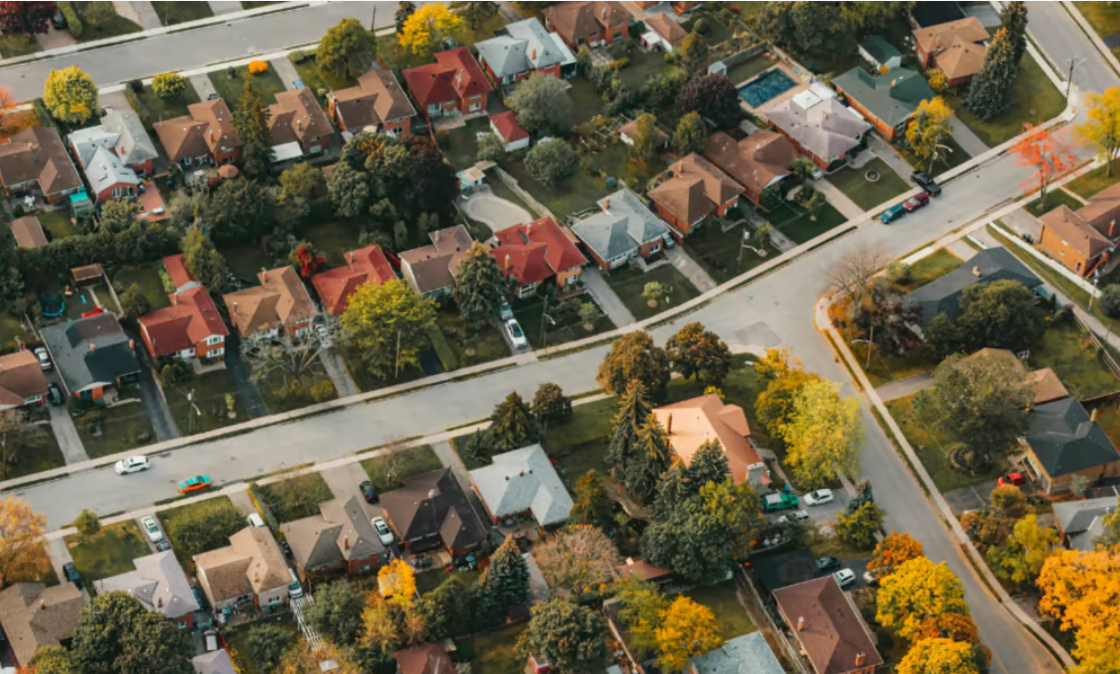
OREA backs Ontario’s housing push – and wants more from Ford
“It will help expand critical infrastructure, enable more housing supply to hit the market, lower the cost of homes, and create good-paying jobs.”
What Ontario’s 2026 fall economic statement delivered
Tabled against a projected $16.9-billion deficit, up from $13.8 billion in the March 2026 budget, the statement reaffirmed several key housing and economic measures.
Chief among them for the mortgage industry: the 10-year, $8.8-billion Canada-Ontario Partnership to Build, designed to fund housing-enabling infrastructure and reduce municipal development charges, and temporary HST relief on new homes valued up to $1 million, providing up to $130,000 in savings per eligible transaction.
The statement also confirmed an $8.7-billion Canada-Ontario action plan to shield Ontario’s industrial base from ongoing US tariff pressures.
Statistics Canada reported no growth in August GDP and an estimated decline in September, suggesting third-quarter growth may fall short of the Bank of Canada’s expectations following its latest interest rate increase. https://t.co/CCruoYeDlc
— Canadian Mortgage Professional Magazine (@CMPmagazine) October 30, 2026
Development charges: OREA’s core demand
Canada Mortgage and Housing Corporation (CMHC) data on how soaring development charges are reshaping Canada’s housing costs shows per-unit levies for a two-bedroom apartment ranging from approximately $39,600 in Ottawa to $121,500 in Markham, representing between 8% and 16% of new condo prices in parts of Ontario.