Florida’s Property Tax Cut Proposal Could Boomerang on Commercial Owners – Commercial Observer

Florida built its reputation on low taxes. The Sunshine State’s constitution famously prohibits a state income tax. The feature has attracted vacationers and retirees — and, more recently, billionaires — helping to transform the state’s once-vast swampland into an economic powerhouse.
Florida could soon cut another major source of government revenue: property taxes. If approved by voters on Tuesday, the proposed changes would reshape property taxes mainly on primary residences.
Proponents say the referendum would offer relief for cost-burdened homeowners as the budgets of local governments and the cost of living have skyrocketed since the COVID-19 pandemic. But the impact of property tax cutbacks on Florida’s commercial real estate industry, from home sales to other asset classes, remains unclear, according to experts.
“Beware, it looks favorable but there’s more to” the measure, which is known as Amendment 3, said Ken Rios, a tax principal at law firm Kaufman Rossin, who’s based in Fort Lauderdale.
Real estate prices soared during the pandemic as newcomers from the Northeast poured into the state. The budgets of local governments followed suit, climbing nearly 75 percent to $59.2 billion between 2019 and 2025, according to state data.
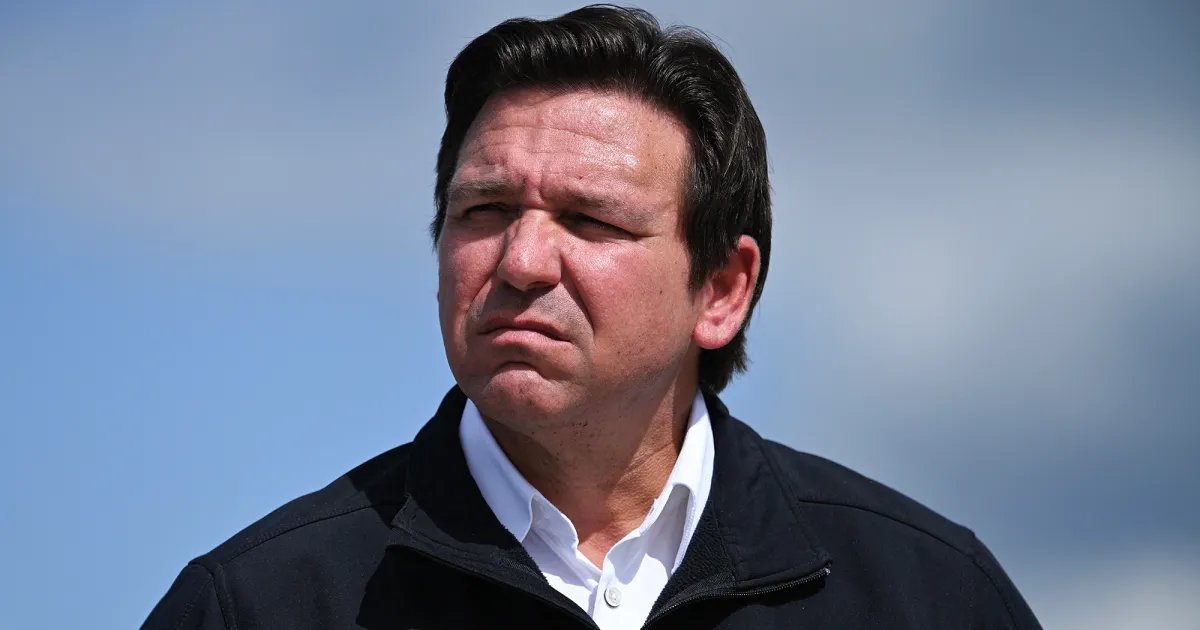
In response, Gov. Ron DeSantis embarked on a quest to cut property taxes to reduce costs for property owners. The proposed ballot measure would lower the increases in the assessment value of a property from 10 percent down to 5 percent starting next year for owners of commercial buildings and secondary homes.
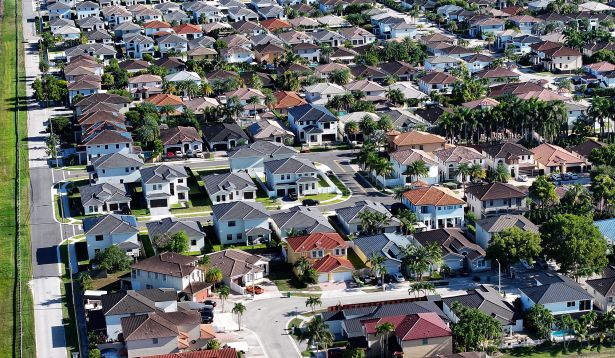
The most dramatic change, though, targets the homestead exemption, the taxable value of a primary residence. The amendment would triple the exemption to $150,000 in 2027, then up to $250,000 the following year, with subsequent increases tied to inflation.
While DeSantis has said the state could provide grants to cash-strapped local governments, Amendment 3 makes no mention of how cities and counties should fill the expected revenue shortfall. That shortfall is likely to cost them $4.6 billion in 2027, $8.4 billion the following year, and nearly $12 billion in 2032, according to analysis from the Florida Legislature.
If the tax base from primary homes shrinks, local officials may become more dependent on revenue coming from commercial properties, making them more receptive to approving new projects, according to Neil Schiller, managing partner at law firm Government Law Group who advises clients on land use, zoning and development.
But the benefits may be limited, Schiller acknowledged. Approvals for new projects may face significant delays if local governments lay off swaths of their staff. To make up for the shortfall, officials will likely raise millage rates — the basis for calculating property taxes — and fees, including those for permits, diminishing the touted savings.
It’s “sort of like whack-a-mole,” Schiller said. “I can reduce your property taxes here, but all your fees for service go up here. There’s no limit to the amount of fees a government can charge.”
The burden may fall the hardest on landlords and tenants. If homeowners receive the biggest cut, counties and municipalities may well come to rely on their commercial base and boost taxes on those properties. Landlords will probably pass the higher costs along to tenants, increasing rents. For multifamily properties, tax bills could rise nearly 15 percent, equating to about $406 per unit, according to a study by Jared Walczak, a senior fellow at the Washington-based Tax Foundation and president of Walczak Policy Consulting.
It’s unclear whether Amendment 3 will help the residential market. On the low end of the housing market, cheaper property taxes could further constrain supply by drawing in a new set of buyers. On the market’s high end, which heavily relies on out-of-state purchasers, the proposed cuts are unlikely to boost demand. The measure applies only to those who are Florida residents before the end of the year. Afterward, transplants will have to wait five years to qualify for the cuts.
Amendment 3 “is about affordability for the people who currently live here” and not meant to stimulate demand, said Danielle Blake, chief of residential and advocacy at the Miami Realtors trade organization, whose parent organization Florida Realtors has come out in favor of the proposal.
Another risk is the curtailment of public services, which could make Florida unattractive to newcomers.
Florida’s economy flourished during the pandemic by luring out-of-state magnates, like billionaire Ken Griffin, who were disillusioned with what they viewed as disorder and rampant crime elsewhere in the country. While taxes for public schools would remain and Miami-Dade Sheriff Rosie Cordero-Stutz has endorsed Amendment 3, many others, including Pinellas County Sheriff Bob Gualtieri, have warned that it could jeopardize public safety and risk other community services.
“When choosing where to live, you’re choosing those places based on the amenities. Is it safe? Are the streets and sidewalks in good condition?” said Nicole Fox, a policy analyst at the Tax Foundation think tank. “Those are all the things that the property tax pays for.”
Floridians appear to still be wrestling with the dilemma. An October University of North Florida poll found that 50 percent of likely voters support the measure, but 14 percent remain undecided. The measure must win the approval of at least 60 percent of voters.
Even as Rios explains the measure to his clients, many of them property owners, he has yet to make up his own mind.
“I’m still reading a lot of the different articles. As a homeowner, it would benefit me,” the tax attorney said. Still, he wonders: “Is the county going to raise the millage rate and erode the savings? Or are they going to tighten their belts?”
Julia Echikson can be reached at jechikson@commercialobserver.com.