SEC Charges Firms Over Fake Crypto Trading Scheme
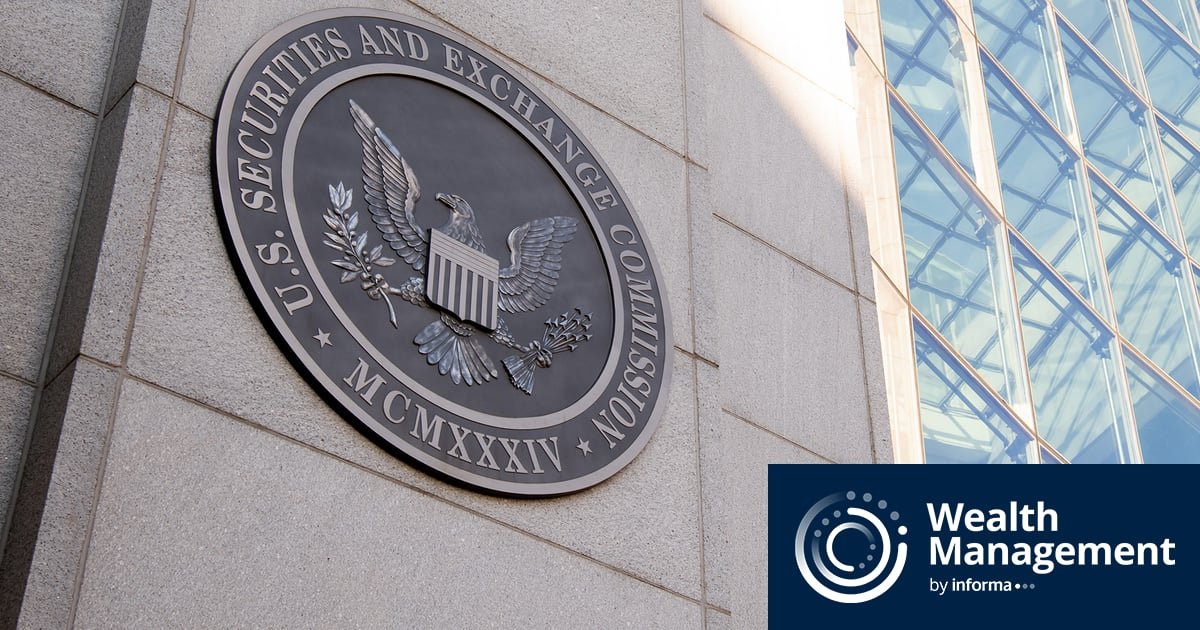
The Securities and Exchange Commission is accusing two Colorado-incorporated entities of a $130 million crypto fraud, in which they submitted fake SEC filings to keep the scam afloat.
The SEC charged BG Wealth Sharing and DSJ Exchange Pty for running the schemes between October 2025 and June 2026, affecting tens of thousands of retail investors in more than 40 U.S. states. Although the entities were incorporated in Colorado, regulators believe they were operated from abroad.
According to the complaint, BG Wealth claimed to be “the world’s largest hedge fund” and an SEC-licensed investment advisor. It promised investors at least 60% returns each month with zero risk, claiming the firm’s founder (described as “Professor” Stephen Beard) developed nearly faultless proprietary artificial intelligence-based trading signals for crypto asset trading. In doing so, BG Wealth claimed to partner with DSJ Exchange, a “secure” crypto trading platform.
But none of this was true, according to the SEC. To fool regulators and investors, the entities submitted fake Forms ADV and D to the commission, which the public could view as proof that the SEC had approved them.
According to the complaint, BG Wealth would direct investors to open accounts on the DSJ platform, deposit crypto assets, and copy alphanumeric “trading signals” BG Wealth gave them into their accounts; BG Wealth claimed only 1% of investors’ funds were automatically traded, which would be pooled with others’ funds on an “open crypto market.”
But the “entire program was a fiction,” the SEC argued; no funds were invested, and the profits on the DSJ Exchange were false, with BG Wealth using some funds to pay back existing investors to prolong the scheme.
The fraudsters also kept the scheme alive through a “multi-level marketing structure,” including weekly videoconferences, encrypted messages and roadshow events in major U.S. cities. KSL News in Utah reported on the experience of an attendee at a BG Wealth event in Sandy, Utah, this past April, during which they gave away a Tesla, iPhones and cash in an attempt to lure investors.
As far back as May 2025, foreign securities regulators raised warning signs about BG Wealth, and starting in March, state regulators in Alaska, Texas, Utah, Washington and Wisconsin (among others) issued cease-and-desist orders against the firms, but the entities continued to operate through June.
While the entities allowed investors to withdraw funds, they discouraged them with fees as high as 20% and multi-day delays. When the FBI seized one of BG Wealth’s websites in April, the firm falsely claimed a “Chinese hack” was behind the trouble; eventually, DSJ Exchange blocked investors from withdrawing money.
As part of the complaint, the SEC is seeking injunctions and civil penalties against both entities. The SEC has also removed the allegedly false filings from the agency’s website. Neither BG Wealth nor DSJ could be reached for comment.
In late August, the SEC charged 38 entities in federal court in Colorado with submitting Form ADV filings containing false information that allegedly portrayed them as legitimate advisory firms to U.S. investors. The commission traced some of the firms’ used IP addresses to foreign jurisdictions.
The SEC’s Office of Investor Education and Assistance recently issued an investor alert warning that scammers are using SEC-exempt reporting advisor filings to create a false impression of legitimacy.