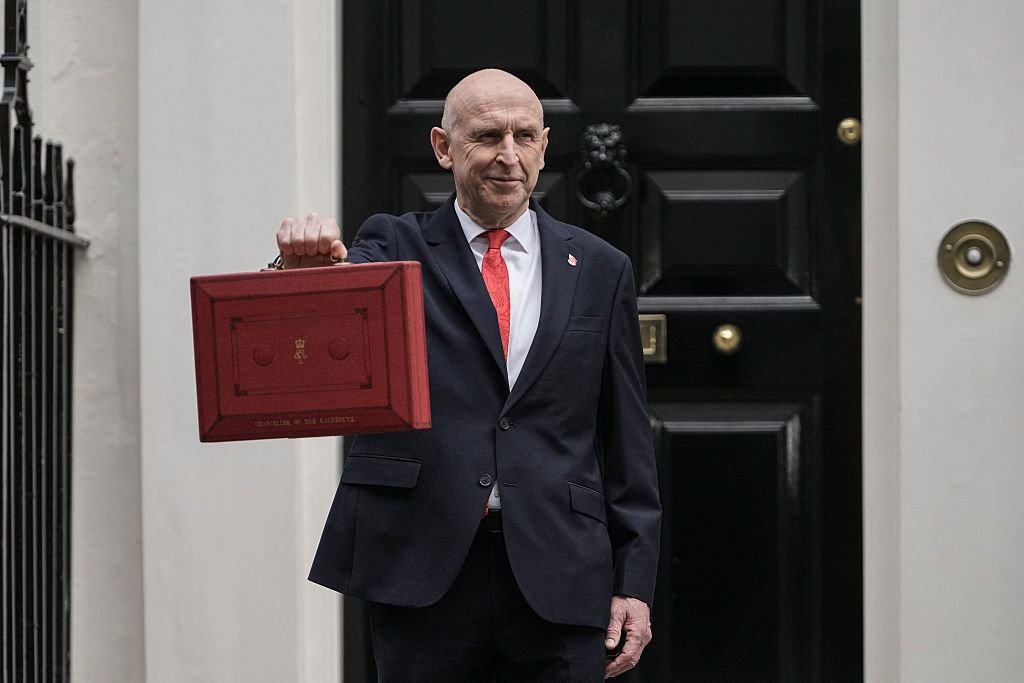
A host of policies were announced in the 2026 Autumn Budget, bringing tax hikes for landlords and savers, and support for those on lower incomes.
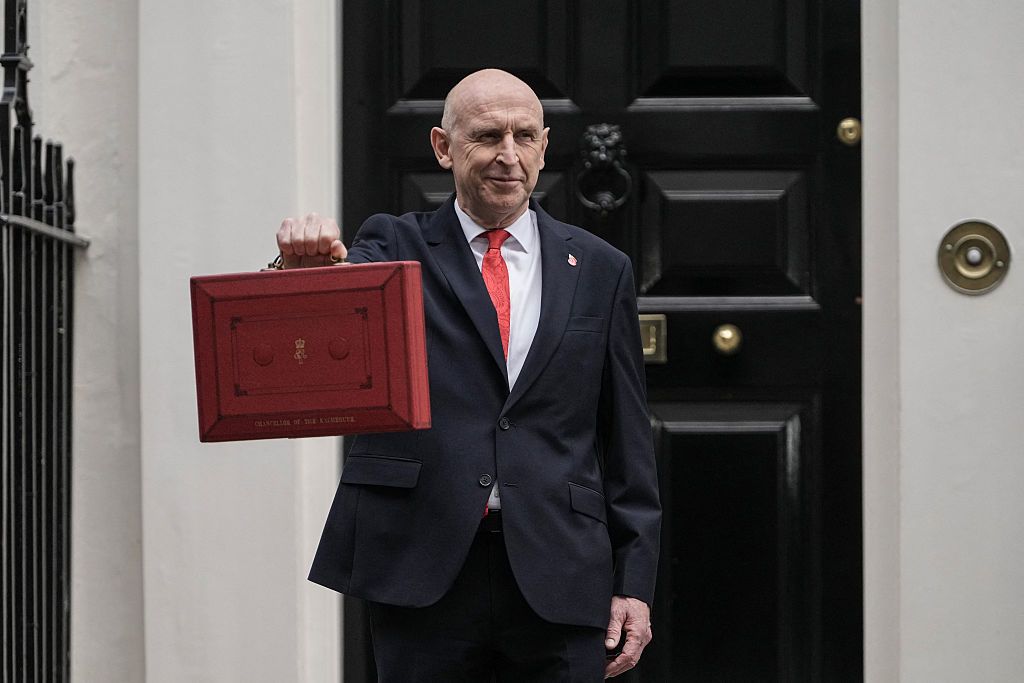
The fiscal event was the first test of new chancellor John Healey as the government continued to react to the economic damage from the Iran war.
The price of energy was a major focus, as standing charges were removed from gas bills, and £100 cash payments will be given to people in council tax bands A to D this winter.
Start your trial of MoneyWeek today
Get unparalleled financial insight, analysis and expert opinion you can profit from.
Start your trial
Sign up for MoneyWeek’s free twice-daily newsletter.
Join more than 165,000 subscribers and keep yourself informed with latest financial news, insights and expert analysis to help you understand what really matters when it comes to your finances.
Join more than 165,000 subscribers and keep yourself informed with latest financial news, insights and expert analysis to help you understand what really matters when it comes to your finances.
Meanwhile, cash savers breathed a sigh of relief after Healey reversed the previous government’s plan to cut the cash ISA limit to £12,000 per year.
Latest Videos FromMoneyWeek
There was less positive news for landlords, who are now set to pay an additional two percentage points in tax on their property income from April 2027, on top of an already announced tax hike. The same can be said for those who draw income from savings interest.
What did you think of Labour’s third Autumn Budget since winning the 2024 general election? Tell us in the poll below.
Investors searching for growth stocks in the digital advertising space may want to weigh rising challenger AppLovin (APP +1.64%) against mature tech giant Alphabet (NASDAQ:GOOGL) (GOOG +1.53%) to determine which stock is a better investment opportunity in 2026. AppLovin provides specialized software tools that help mobile app developers grow and monetize their businesses through advanced…
Loans to the commercial sector more than doubled to ₹10.65 trillion during April-July this financial year from ₹4.48 trillion a year earlier, driven by a sharp increase in non-food bank credit, according to the latest data released by the Reserve Bank of India. Credit growth was broadbased across industry, services, agriculture and personal loans,…
In banking, trust has always mattered. But as AI advances and the operating environment becomes more uncertain, trust matters even more. Customers, regulators and partners are asking harder questions about the institutions they rely on. Trust has become a real differentiator, and one that banks cannot take for granted. As AI becomes embedded across how…
The FOMC decision was not unanimous as Governors Hammack, Kashkari, and Logan voted in favour of a 25 basis point hike. Personal consumption expenditures (PCE) inflation, a preferred inflation gague by the Fed, reached a three-year high of 4.1 per cent in May. Core PCE was 3.4 per cent for the month. The Fed’s target…
The Securities and Exchange Commission (SEC) delivered a bit of a surprise today by proposing new rules for crypto offerings. Regulation Crypto Assets would clarify how securities laws apply to certain digital asset offerings, preempt state authority, and support secondary trading. The proposed rules include two exemptions from the registration requirements. The first is a…
Key Takeaways At 7% mortgage rates, you’ll need a salary of about $87,000 to afford a $300,000 home – as long as you’re willing to put 20% down. A $400,000 home requires a six-figure salary at current rates. For borrowers putting less than 20% down, PMI can add to your monthly payments and reduce your purchasing…