Warren Buffett’s Successor, Greg Abel, Has 58.9% of Berkshire Hathaway’s Portfolio Invested in Just 5 Stocks. Here’s My Top Pick for November.
Greg Abel hasn’t been shy about putting his stamp on Berkshire Hathaway since taking over for Warren Buffett at the start of this year. He has sold off several of the company’s smaller positions, but remains concentrated at the top.
Despite the turnover, Berkshire’s top holdings remain mostly intact. That list includes Apple, American Express, Coca-Cola (KO +0.73%), Alphabet, and Bank of America, which together account for nearly 50% of the company’s portfolio.
Despite Coca-Cola’s impressive 30% run over the past year, here’s why it remains a top pick for November and beyond.
Abel hasn’t touched the legendary dividend stock
Coca-Cola is one of Berkshire Hathaway’s oldest and most successful investments. Buffett began buying Coca-Cola stock in 1988, ultimately investing about $1.3 billion by 1994, and hasn’t touched it since.
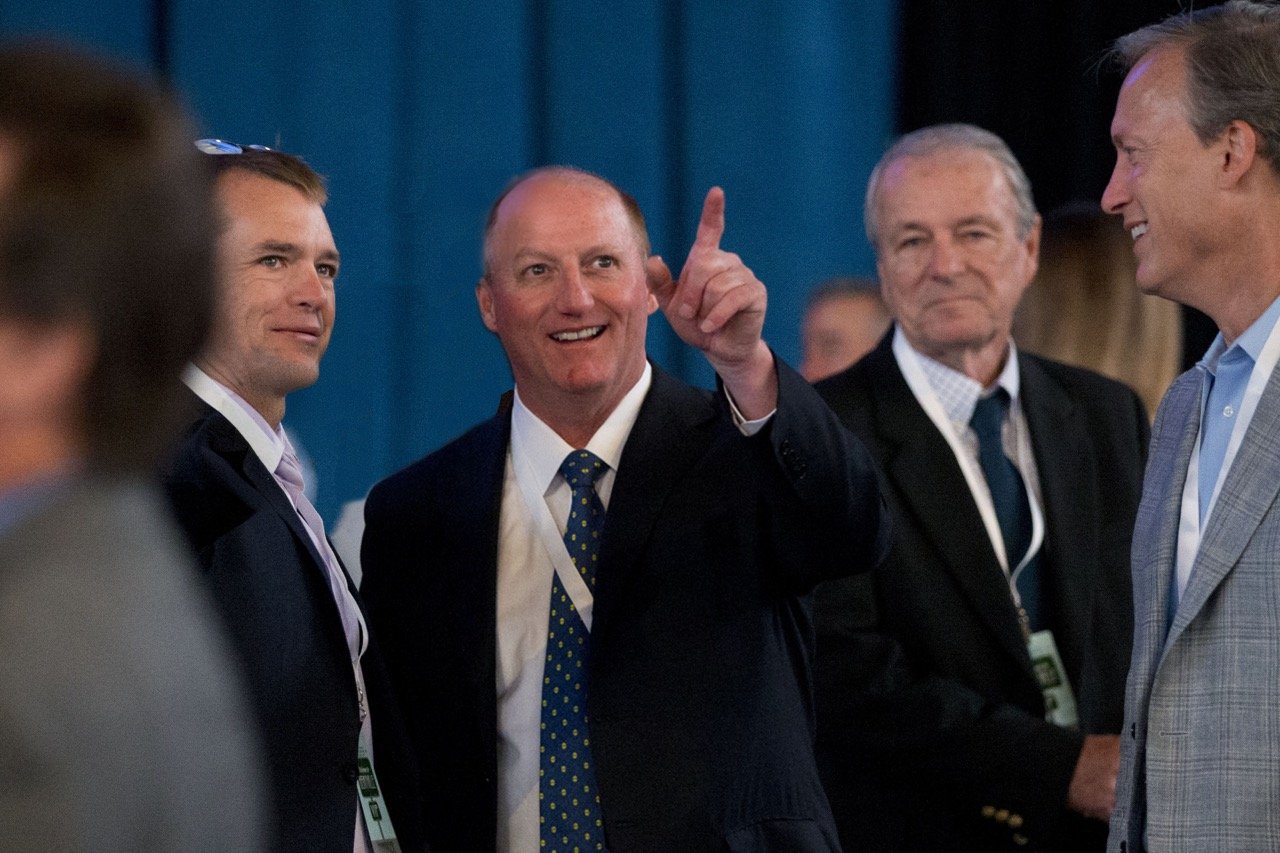
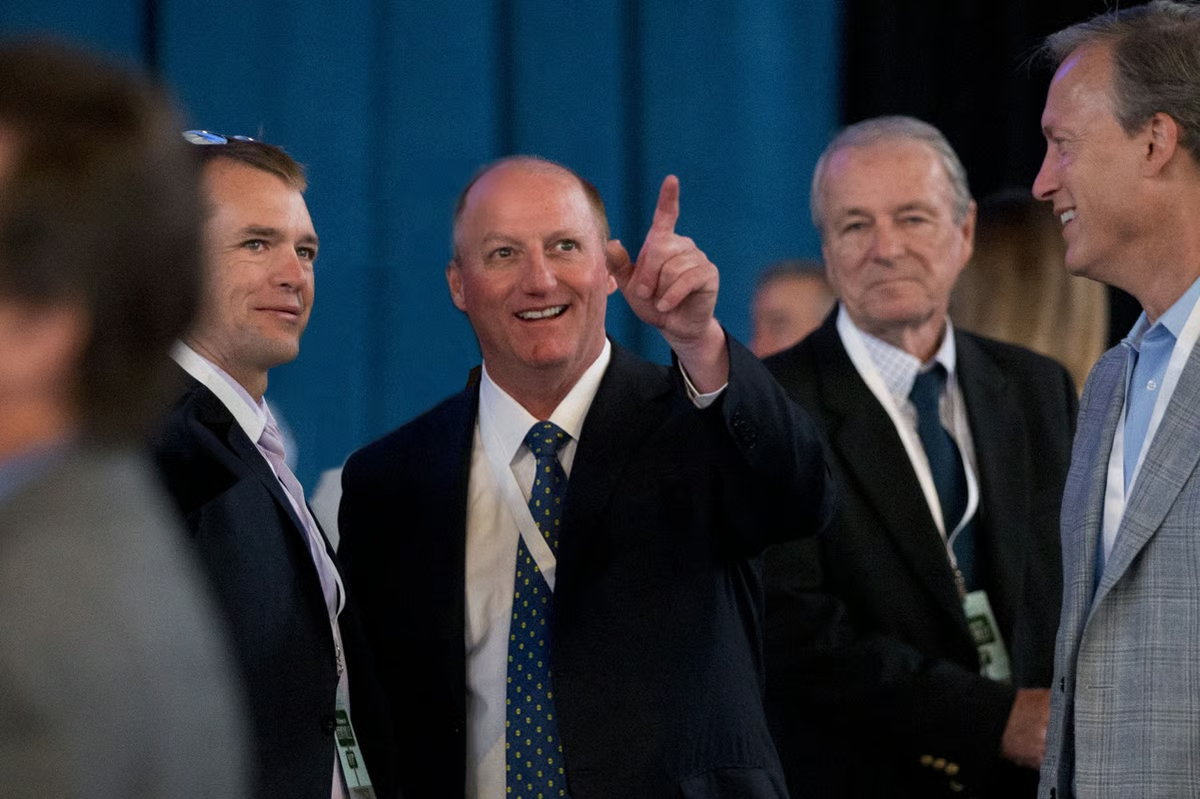
Berkshire Hathaway CEO Greg Abel. Image source: Getty Images.
It’s probably easy to figure out why. Today, Berkshire Hathaway recoups a majority of its initial investment each year from the dividends alone. In that context, I don’t blame Buffett or Abel for leaving that alone and letting the dividends pour in.
Coca-Cola’s business is a recipe that continues to work decade after decade — that’s selling beloved brands of products people worldwide use daily. Coca-Cola’s vast distribution is the icing on the cake and has cemented the company’s moat against competition.
This business has chugged along for generations. Coca-Cola has increased its dividend for 64 consecutive years, making it a Dividend King with over five decades of uninterrupted growth. That goes with a solid initial dividend yield of 2.3%.
How Coca-Cola continues to grow year in and year out
The company has a very long growth runway compared to most industries because virtually everyone in the world is a potential customer. Management says that Coca-Cola has approximately 14% market share in developed economies, which represent about one-fifth of the global population. The remaining are emerging economies; there, Coca-Cola only has about 6% market share.
Beyond simply selling more products to more consumers, Coca-Cola can also increase prices, play with packaging, or acquire or develop new brands. The business ultimately has an embarrassment of riches when it comes to squeezing out growth.
Coca-Cola has appeal, but investors must pay up for it
Many of the hot AI stocks that have carried the market for much of the past several years have recently taken a step back. The United States markets are facing increased political volatility ahead of the midterm elections, and there is a clear sense that many consumers are struggling financially.
KO Coca-Cola
$91.85+$0.67 (+0.73%)
NYSE · As of 12:32 PM ET 10/28/26
That can create a greater appetite for proven blue chip stocks such as Coca-Cola. The stock itself tends to be much less reactive than the broader market, with a beta of only 0.32. Sure, some people may cut back on Coca-Cola products when money is tight, but the dividend streak shows the business can withstand almost any economic climate.
Coca-Cola’s reputation for rock-solid performance has likely helped boost shares to their current levels. To be fair, the current price is up there. Shares now trade at nearly 28 times trailing-12-month earnings. That’s a bit steep for a business that Wall Street analysts estimate will grow earnings by about 8% annually over the next three to five years.
If you’re interested in Coca-Cola mostly for its dividend, the current 2.3% yield is well below its 10-year average of about 3%. In other words, Coca-Cola’s share price is much higher than normal for the dividend it pays.
Yet its durability and solid growth outlook amid a shaky stock market still make it my top pick for November. The caveat here is that there’s no harm in nibbling on shares. Investors would be wise to buy some, reinvest that famous dividend, and then stay prepared to add more when Coca-Cola eventually pulls back to a better valuation.