Tufts Medicine’s turnaround plan is losing steam

Bloomberg News
Tufts Medicine was supposed to be on the path to breaking even. Instead, its budget gap has worsened since last year and one of the Boston-area hospital system’s ratings has fallen to speculative grade.
Processing Content
Tufts Medicine is falling victim to many of the challenges facing the healthcare sector. Its new leadership will continue to try to turn things around, but turning things around will now take longer.
In August, the
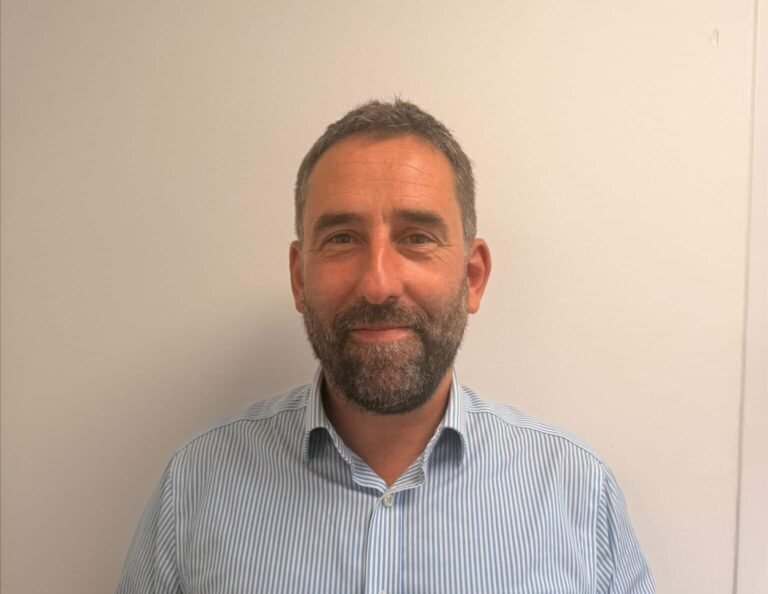
The new acting president and CEO is Phil Okala, formerly Tufts’ COO. He joined Tufts Medicine in 2023, formerly serving as system president at City of Hope and COO of the University of Pennsylvania Health System. The Tufts board has indicated that there are no plans to search for another CEO, according to S&P Global Ratings.
Greg Kruse, vice president of strategic operations and analytics intelligence, is filling DeVoe’s duties as the system searches for a new CFO.
In October, Tufts Medicine
Fitch justified the
The system was following a turnaround plan and had been showing signs of strength, said Fitch analyst Madeline Tretout, but then its trajectory reversed.
“Although Tufts Medicine completed its energy as a service transaction that added about 36 days’ cash on hand to the balance sheet, current unrestricted reserve balances are lower than expected, which eliminates any flexibility to offset weaker operating performance,” S&P’s analysts wrote in its downgrade report.
A rating cut to below investment grade is a big deal for a system with six hospitals and nearly a billion dollars of outstanding debt.
The system’s problems began with the COVID-19 pandemic. The problems plaguing Tufts were largely the same as the rest of the healthcare sector, said S&P analyst Cynthia Keller, but by 2023 and 2024, it was seeing huge losses.
“Even though we did downgrade them and both their balance sheet and earnings are fairly weak at this time, they have made massive improvement,” Keller said.
The system is in a difficult operating environment, Tretout said. The Boston area has steep competition for hospitals.
“It’s a very competitive environment in terms of recruiting specialty physicians, specialty clinicians, nurses,” Tretout said. “Labor is always an issue for any hospital system, and it’s particularly challenging in that market because it is so, so competitive.”
Healthcare systems like Tufts have also struggled with rising drug and supply costs, workforce shortages and reimbursement that hasn’t kept pace with the cost of providing care, said Bhanu Patil, Managing Partner at SunBright Advisory Partners, a strategic consulting firm.
Most recently, Patil said, they’ve seen “added uncertainty around government funding, increased insurer denials and higher patient acuity, which makes it harder for systems to stabilize earnings, maintain liquidity and continue investing in patient care.”
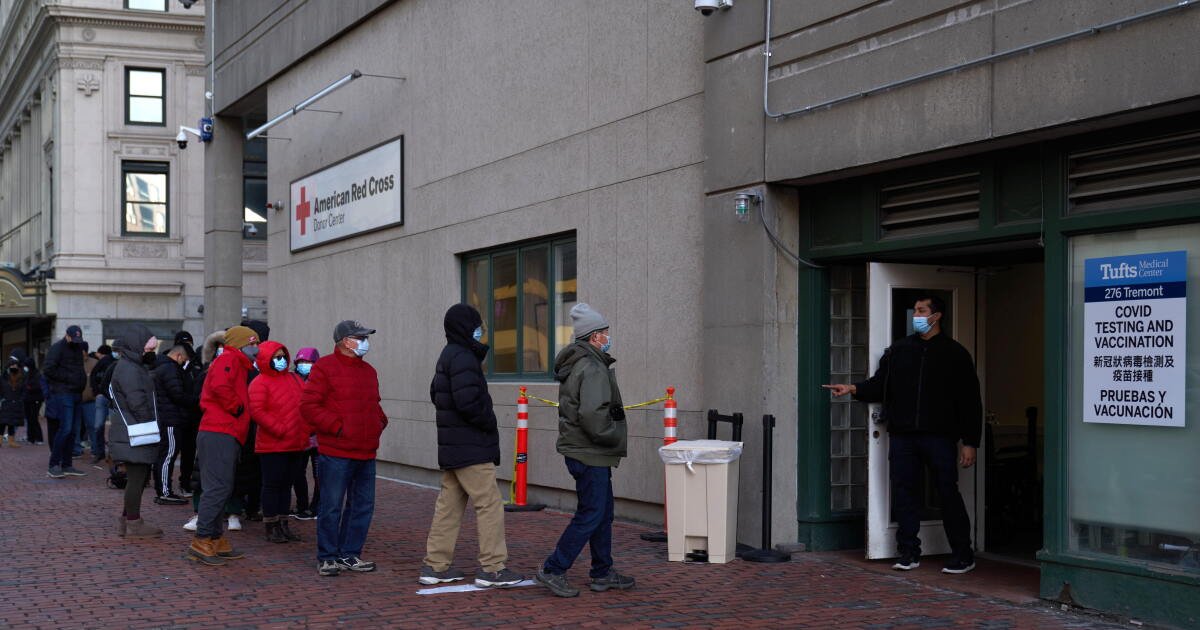
Tufts operates six hospitals: Tufts Medical Center in Boston; and Lowell General Hospital, Lowell General Hospital-Saints Campus, Lawrence Memorial Hospital, Behavioral Health Hospital and MelroseWakefield Hospital in the city’s suburbs.
Tufts serves a low-income population, Tretout noted. Medicaid made up 22.2% of Tufts’ gross revenue in the first nine months of fiscal 2026, according to S&P; Medicare made up 46.1%. Its debt service coverage is .31x.
Many of the healthcare providers hit hardest in the last half a decade have been smaller, rural hospitals, rather than big, urban providers like Tufts. But “scale doesn’t necessarily translate into financial strength,” Patil said.
“Systems that can’t adapt their cost structure, strengthen revenue-cycle performance and preserve cash flow will face further financial pressure,” she added.
“There are some benefits of size and scale, certainly,” Tretout said. “But I don’t think that would preclude a sizable organization in any location from running into difficulty. Some of the smaller hospitals and more rural hospitals may have different challenges, but I don’t think there’s anybody that’s immune to challenges.”
The new Medicaid cuts are going to add challenges to healthcare issuers “across the board,” Keller said. It will certainly create revenue pressure for Tufts, which has a government-centered payor mix.
There are signals that could inspire optimism, Tretout said.
“They’ve reduced their length of stay, which is not an easy thing to do, and that opens up capacity so that they can get a better throughput,” she said.
“The demand is there,” Tretout added. “They’re not struggling with demand. [The struggle is] more getting the efficiencies needed to balance the revenues with the expenses.”
Tufts’ enterprise profile and importance in the market can also be the foundation for improved finances, Keller said.
“There is possibility for improvement, but we just need to see it,” she said.
The system laid out its strategy in
The new leadership may help Tufts execute its turnaround plan. The board’s decision to force out the CEO reflected “timely oversight in response to stalled operating improvements,” Fitch said.
“Leadership changes can bring fresh perspective, better accountability and execution, so I see the CEO/CFO replacement as a positive governance signal,” Patil said — “but not yet evidence of a successful turnaround.”
The value of new leadership “depends on if they can bring sustained financial improvement and a credible operating plan that stabilizes earnings, strengthens unrestricted reserves and reins in growing leverage,” Patil said.
“The CEO does have experience with Tufts,” Keller said, “so I feel it’s good that he does have knowledge of the organization and can quickly step in.”
The new CEO isn’t making many changes to the efforts and strategic initiatives that Tufts had planned, Tretout said. But he may be able to help the system execute them.
“I think that they are looking at the timeline of those changes and trying to put forward a more realistic and achievable budget year over year, so that they’re going to actually hit what they say they’re going to hit,” Tretout said.