LPG Gas Cylinder vs Ethanol-Based Stove: Which is Better- Know Key Differences in Cost, Benefits, Availability & More
Classroom
India has made significant progress in promoting clean cooking fuels over the past decade, with Liquefied Petroleum Gas (LPG) becoming the preferred choice for millions of households. However, ethanol-based cooking stoves are now attracting attention as another cleaner alternative. While both fuels promise smoke-free cooking, they differ in terms of cost, availability, infrastructure and long-term sustainability.
For consumers, the question is not only whether ethanol is environmentally friendly but also whether it can match LPG in terms of affordability, safety and convenience. Here’s a closer look at how the two cooking fuels compare.
What Is an Ethanol-Based Cooking Stove?
An ethanol-based cooking stove uses ethanol, a renewable biofuel produced from agricultural feedstocks such as sugarcane, maize and surplus food grains. Unlike LPG, which is a fossil fuel, ethanol is derived from biological sources, making it a renewable energy option.
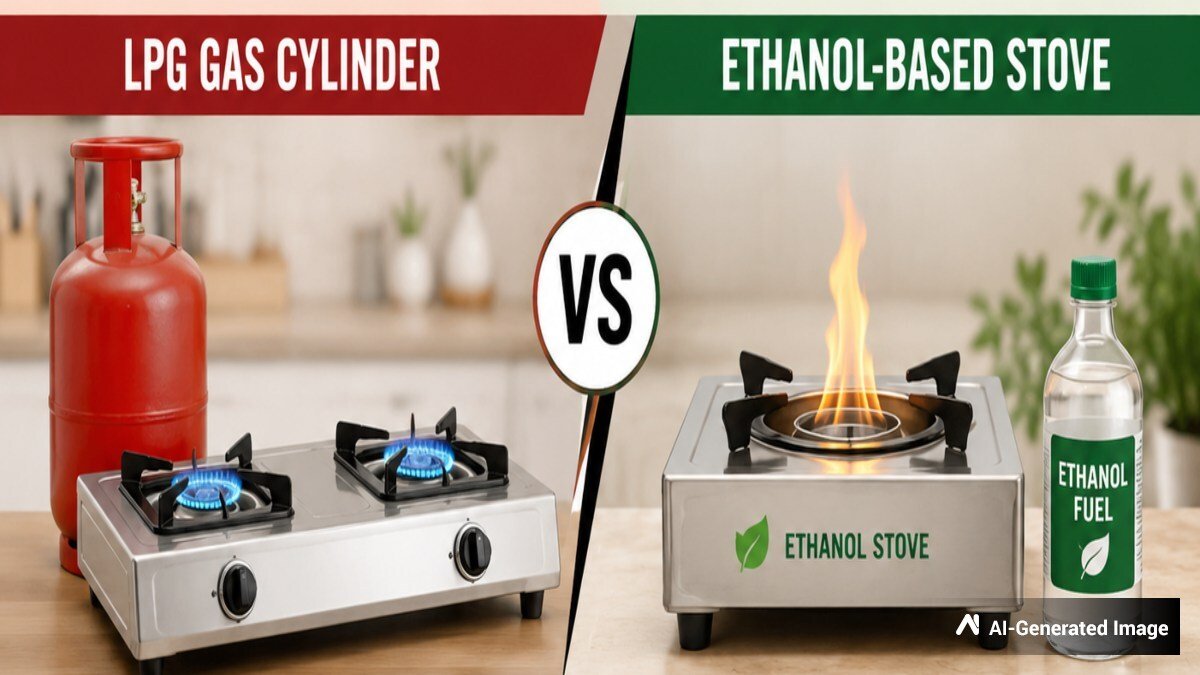
/img/2026/07/lpgvsethanol1-26941784637641.jpg "LPG Gas Cylinder vs Ethanol-Based Stove")
India has already increased the use of ethanol by blending it with petrol to reduce crude oil imports. Introducing ethanol for cooking is seen as another step towards expanding the country’s biofuel program while creating additional demand for agricultural produce.
LPG Gas Cylinder Vs Ethanol
LPG remains the most widely used clean cooking fuel because it offers a combination of reliability, convenience and strong cooking performance. Over the years, the government has built an extensive distribution network that allows consumers to book cylinder refills easily and receive doorstep delivery across most parts of the country. Subsidy schemes have also helped expand LPG access among lower-income households.
It produces a consistent, high-intensity flame that works well for pressure cooking, frying, boiling and preparing meals for larger families. Since households are already familiar with its usage, switching to another fuel may not happen quickly.
What Are the Benefits of Ethanol-Based Cooking?
One of ethanol’s biggest advantages is that it is produced from renewable agricultural resources rather than imported fossil fuels. This means greater use of ethanol could help reduce India’s dependence on crude oil imports while creating additional demand for crops such as sugarcane and maize.
Supporters also believe ethanol-based cooking can contribute to India’s clean energy goals by lowering reliance on fossil fuels. If produced sustainably, ethanol has the potential to reduce overall carbon emissions and strengthen the country’s energy security. It could also benefit farmers and the biofuel industry by creating new market opportunities.
LPG Vs Ethanol: Which Is More Affordable?
The cost comparison between ethanol and LPG involves more than just the fuel price.
Households typically consider several factors before choosing a cooking fuel, including the price of the stove, monthly fuel expenses, refill availability, fuel efficiency and cooking speed. LPG currently has an advantage because its nationwide supply chain is already established and consumers know how long a cylinder lasts and when to refill it.
The economics of ethanol will also depend on agricultural production and raw material prices. Since ethanol is produced from crops such as sugarcane, maize and grains, production costs may vary depending on harvest conditions, government policies and demand from the fuel blending program.
Ethanol vs LPG: Key Differences
Fuel Source:
LPG: Made from fossil fuels, mainly propane and butane.
Ethanol: A renewable biofuel produced from sugarcane, maize and surplus grains.
Availability:
LPG: Easily available across India through an established cylinder distribution network.
Ethanol: Household supply is still limited, with distribution infrastructure at an early stage.
Affordability:
LPG: Benefits from an established market and government support in some cases.
Ethanol: Long-term affordability will depend on fuel prices, production costs and availability.
Environmental Impact:
LPG: Burns cleaner than traditional fuels but remains a fossil fuel.
Ethanol: Renewable fuel that can help reduce dependence on imported crude oil when produced sustainably.
Disclaimer: The views and recommendations expressed are solely those of the individual analysts or entities and do not reflect the views of Goodreturns.in or Greynium Information Technologies Private Limited (together referred as “we”). We do not guarantee, endorse or take responsibility for the accuracy, completeness or reliability of any content, nor do we provide any investment advice or solicit the purchase or sale of securities. All information is provided for informational and educational purposes only and should be independently verified from licensed financial advisors before making any investment decisions.