OSFI annual report flags 301 pension plans over contributions
In 10 cases, the money stayed unpaid for an extended period. Where warranted, OSFI escalated through notices of intent and/or directions of compliance. Four plans then paid what they owed, with interest, and OSFI said it kept working with the remaining six toward compliance.
The wider picture is brighter. The estimated median solvency ratio of pension plans climbed to 1.28 at year-end 2025, up from 1.20 in 2024, and 93% of plans were fully funded on a solvency basis. The share of underfunded plans slipped to 7% from 8%.
Senior leaders, AI models and crypto in the spotlight
Bank and insurance executives have a proposal to read. On January 29, 2026, OSFI opened a consultation on a proposed senior leader regime, which would modernize suitability and accountability expectations for senior leaders of federally regulated financial institutions. Comments are due October 31, 2026.
Firms leaning on AI also have a date to circle. Guideline E-23 on model risk management, issued September 11, 2025, takes effect May 1, 2027, with an 18-month transition period, and covers risks tied to AI and machine learning. OSFI also introduced an expectation for banks to disclose their crypto-asset exposures and launched a consultation on credit risk that names private credit as an emerging risk.
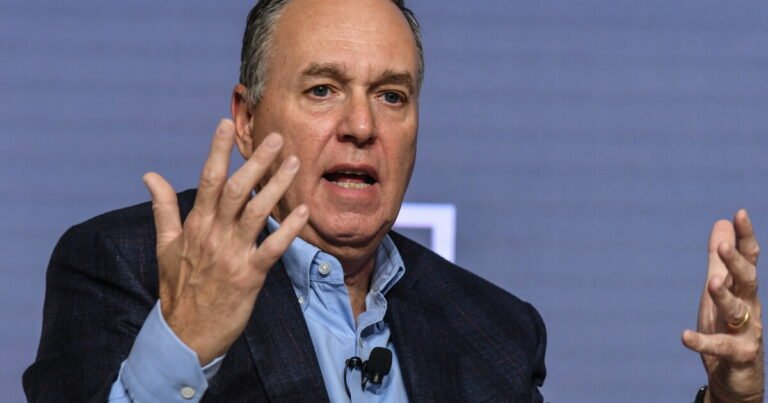
On bank capital, OSFI held the Domestic Stability Buffer at 3.5% of risk-weighted assets in June and December 2025, and average Common Equity Tier 1 ratios came in at approximately 13.6%, above the 11.5% supervisory expectation. The buffer and its range were lowered in June 2026, the report notes. “Today, Canada’s six largest banks hold capital levels well above supervisory expectations,” Superintendent Peter Routledge said in the report.