UPI’s rising volumes need investment, minimal MDR can help: SBI Chairman | BS Events
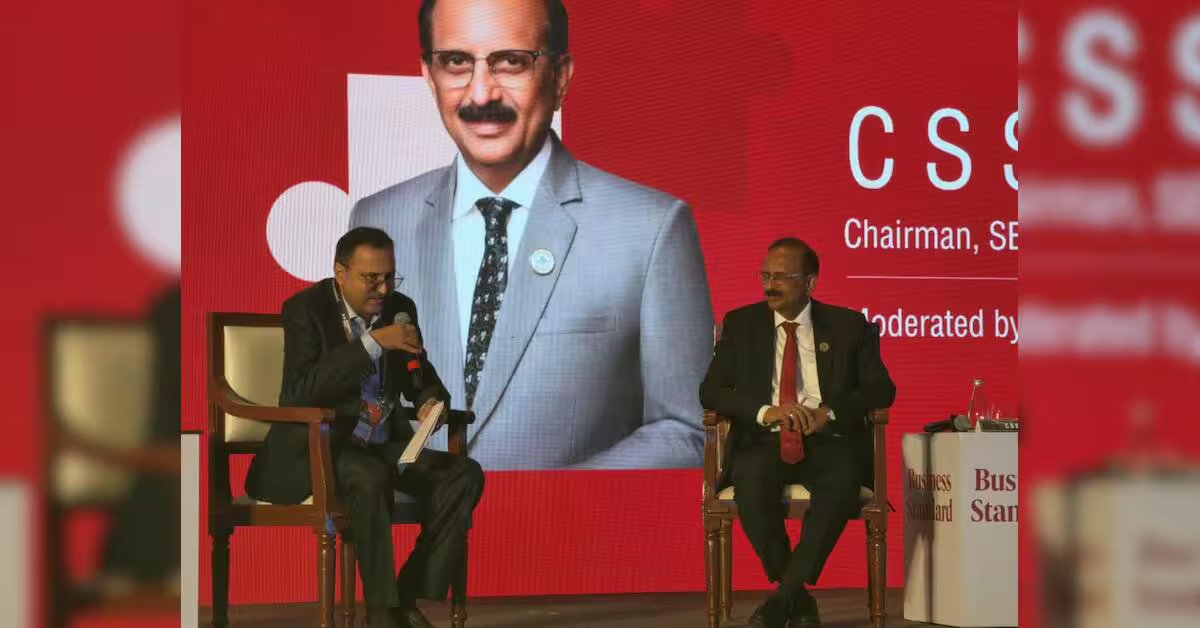
“SBI alone handles almost 400 million financial and non-financial transactions every day under UPI,” he said, adding that the bank conducted real-time monitoring for many transactions above the ₹5,000 threshold.
According to Setty, banks would continue investing to support customers, but the absence of adequate economic incentives could affect the wider ecosystem’s ability to fund the necessary infrastructure.
He said the proposed minimal MDR would help support these investments. MDR is a fee associated with processing merchant payments and is generally paid by merchants to payment service providers or acquiring banks.
Protecting UPI users
When asked how banks could prevent merchants from passing the charge on to customers, Setty said safeguards would be needed to ensure consumers were not affected.
He said banks must strengthen service-level agreements with merchants and improve grievance redressal mechanisms to address cases where customers are charged extra. Transaction-level monitoring would also be necessary to identify such instances.
Setty added that SBI was working with the National Payments Corporation of India (NPCI), merchants, and merchant acquirers to develop a model that would prevent the cost from being passed on to consumers, to the extent technically feasible.
The discussion comes as the NPCI has deferred the implementation of MDR on select person-to-merchant (P2M) UPI transactions until after Diwali, with the revised date yet to be announced. The levy, originally scheduled to take effect on October 15, will apply to eligible merchant transactions above ₹2,000, with a rate of 0.4 per cent capped at ₹300. Certain categories, including bill payments, fuel, and education, will attract a flat fee of ₹5 per transaction. NPCI said the deferment was intended to account for the festive season, while the proposed fee structure would remain unchanged.