SEC 2027 Priorities Target AI Oversight Gaps
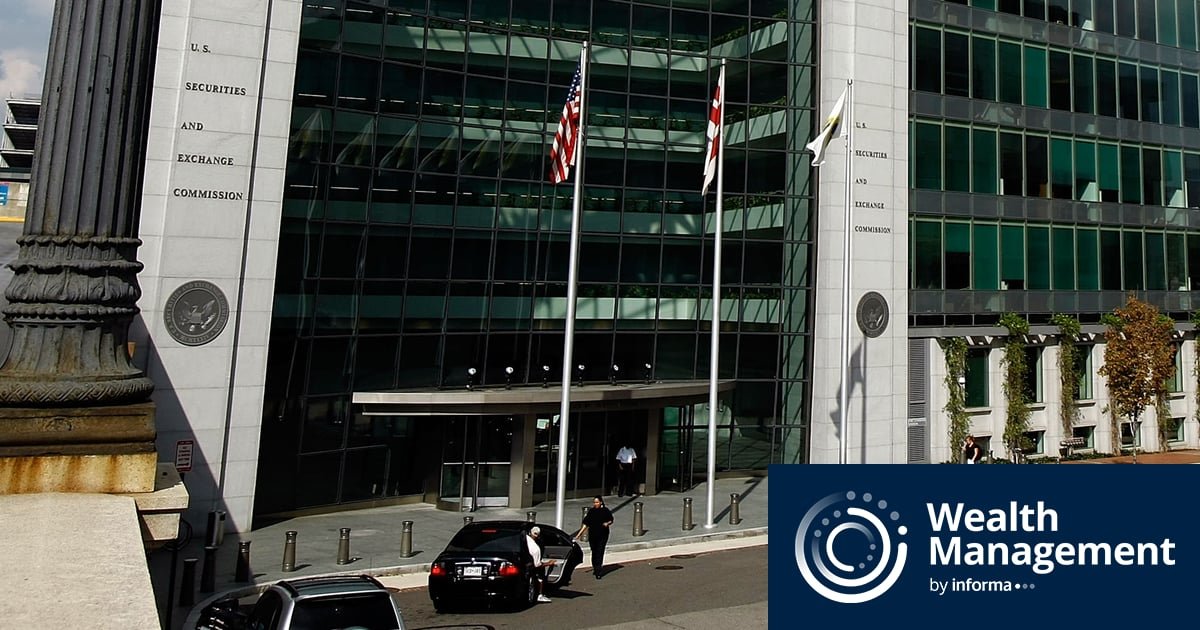
Securities and Exchange Commission examiners plan to take a closer look at firms’ artificial intelligence oversight, according to the firm’s newly released examination priorities for 2027.
Particularly, the SEC’s Division of Exams will focus on firms’ compliance with “relevant rules” relating to the preparation against potential threats, such as AI-generated “phishing messaging and synthetic or deepfake voice and video used for social engineering.”
In the report’s introduction, the division notes that firms are increasingly using AI in their businesses (the report calls AI “super intelligence,” following President Donald Trump’s order mandating that executive agencies use the new moniker), citing tools that support research, coding, portfolio management and compliance monitoring.
“As these capabilities grow more sophisticated and embedded in daily business processes, the Division is intensifying its efforts to understand how the technologies influence outcomes and whether firms continue to comply with existing, technology-neutral obligations,” the report read.
The division also details a “sustained effort” to integrate AI tools into examinations, claiming the firm is looking for ways in which AI tools can “strengthen analysis, improve workflow, efficiency or detect patterns and risks across complex datasets, while supplementing, but not replacing, staff judgment.”
According to Lori Weston, head of compliance at STP Investment Services, firms need to extend their oversight beyond their approved vendors, as AI is “continually embedded” in many third parties’ software. Weston stressed that firms’ chief compliance officers should conduct ongoing reviews of third-party partners and employees who use personal AI accounts for business, saying these raise both recordkeeping and Regulation S-P concerns.
According to the division, examiners will, as always, review advisors’ fiduciary obligations, including whether recommendations align with clients’ objectives and risk tolerance.
Examiners will prioritize advisors recommending products that are hard to trade or illiquid, including alternatives like private fund loans, investments in private companies through special purpose vehicles and complex investments such as ETFs based on less-liquid assets, inverse and single-stock ETFs and option-based funds. For private fund advisors, examiners will assess risk disclosures and whether compliance policies address fund- and investment-level risks.
Like last year, the SEC is prioritizing advisors who have grown through M&A, those operating from “multiple geographically dispersed branch offices,” and those who have changed their business models or started advising new types of clients, recommended new asset classes or provided new services.
According to Robert Baker, a managing director and co-lead of the Mock Examination at ACA Group, examiners are also shifting their emphasis regarding Reg S-P, as the 2026 compliance date has come and gone.
Whereas they’ve previously assessed firms’ implementation preparation, Baker said examiners will now look at whether firms have developed, implemented and maintained policies and procedures, including “incident response, customer notification and oversight of service providers.”
For Weston, notable aspects of the priorities included the S-P shift, the emphasis on geographically dispersed branch offices, as well as examiners’ “emphasis on conflicts as they relate to a firm’s economics and incentives regarding the various indirect methods of receiving compensation and fees.” She also noted that the priorities omitted best execution in listing the ways advisors adhere to fiduciary standards.