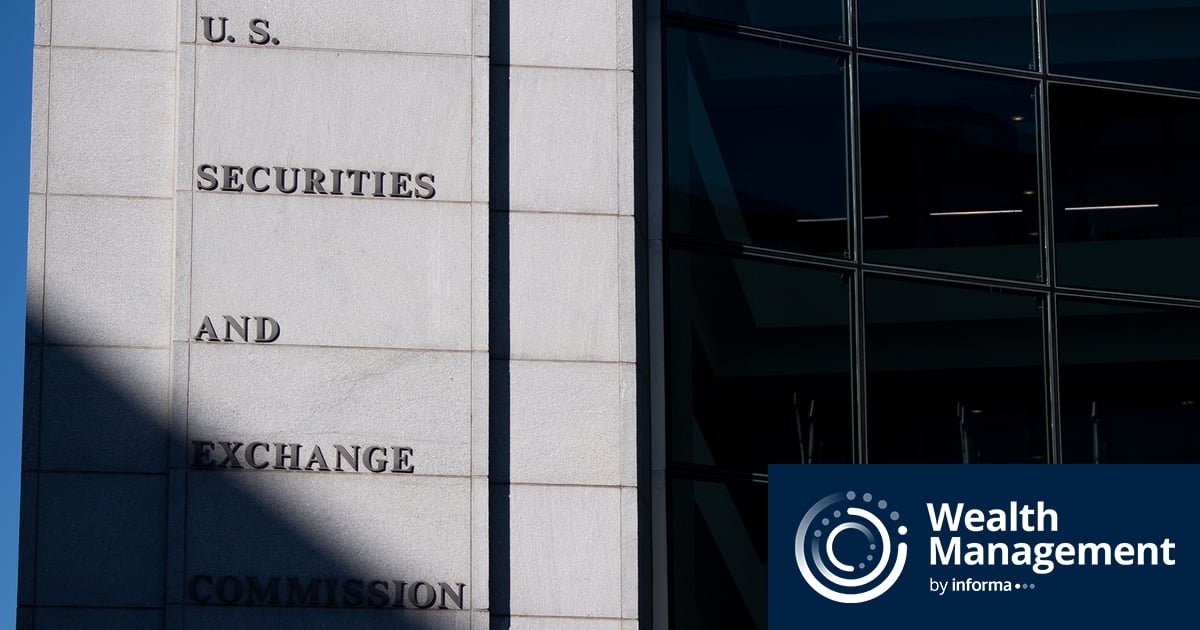
NASAA Urges SEC to Scrap Crypto Rule Plan
State securities regulators are calling on the Securities and Exchange Commission to withdraw its proposed regulation for certain crypto issuer exemptions, claiming the rule is “preferential regulation in favor of crypto.”
The North American Securities Administrators Association submitted a letter on the closing day of the 60-day comment period for “Regulation Crypto Assets,” the proposed rule the SEC unveiled in mid-August.
The rule would exempt certain digital asset offerings from securities mandates, with SEC Chair Paul Atkins claiming the rule would “provide crypto asset entrepreneurs and market participants with clear pathways to raise capital under the federal securities laws.”
However, in this week’s letter, NASAA President Elizabeth Bowling (who is also the assistant commissioner, securities with the Tennessee Department of Commerce and Insurance), argued the SEC rule would put “the commission’s thumb on the scale to overcome weaknesses common to crypto offerings in order to facilitate sales to retail investors.”
“The proposal would strip away disclosure requirements, filing requirements and resale restrictions without due regard to the adverse impact on retail investors,” she wrote. “Promulgating registration exemptions without common investment protections not only invites fraud and victimization, but it undermines the trust necessary to promote innovation in the capital markets.”
According to the commission, the proposed rules included startup exemptions from several Securities Act registration requirements, such as a one-time exemption for offerings of up to $5 million during four years and a second exemption permitting offerings of up to $75 million during every 12 months.
In both cases, issuers would need to make “certain principles-based narrative disclosures” to investors, while issuers using the second exemption would be required to provide additional financial statements.
The rule would also grant issuers safe harbor from the “investment contract” definition once it had “completed or otherwise permanently ceased all essential managerial efforts that it represented or promised” under the covered contract, according to the rule’s fact sheet. This could make it easier for the digital assets to fall under the Commodity Futures Trading Commission’s jurisdiction.
NASAA raised issues with both exemptions, arguing that “principles-based disclosures” relieve issuers from those that “are not only common to other securities offerings, but are also relevant to crypto offerings,” which could allow issuers to “replace material information with marketing.”
Additionally, state securities regulators worried the investment contract exemption would allow “immediate resale” of covered investment contract securities to investors. Bowling cautioned that the rule would allow an issuer to claim it had ended its managerial efforts either because “it has met its promises or because it has failed to meet them,” creating conditions where bad actors could defraud investors.
“For instance, when combined with the startup exemption, a person with little money and no particular technical ability could create a cryptocurrency, cut and paste another issuer’s whitepaper onto a website, issue covered investment contract securities, collect money and then claim to be unable to continue developing the network,” Bowling wrote.
Since last year, state securities regulators have raised concerns about federal legislators or regulators attempting to usurp state authority to enforce their laws.
In the debate over congressional market structure legislation, then-NASAA President Leslie Van Buskirk warned that limiting states would have “net-negative” consequences, and that she had “no reason to believe our federal partners would come close to making up the difference if my state colleagues and I were denied the opportunity to pursue and address fraud.”
NASAA’s comment letter was one of many submitted in the closing days of the period. Critics included consumer protection advocates such as Better Markets, as well as politicians and regulators, including New York State Attorney General Letitia James and Massachusetts Secretary of the Commonwealth William Galvin.
The rule also garnered support from crypto proponents and companies in the digital asset space, such as Coinbase, Ripple and Anthony Scaramucci, founder of Skybridge Capital, who argued: “the proposals extend investor protection to an asset class that millions of Americans hold and that the next generation will hold in greater numbers.”
The SEC released the proposal about a month before the CLARITY Act, Congress’s long-heralded digital asset market structure bill, failed in the Senate. It was probably Republicans’ last attempt to pass a crypto law before Democrats potentially take back at least one chamber of Congress in this November’s midterm elections.
After the CLARITY Act’s failure, the SEC proposed changes in how crypto assets can be custodied, notably allowing RIAs to self-custody clients’ crypto assets under certain conditions.