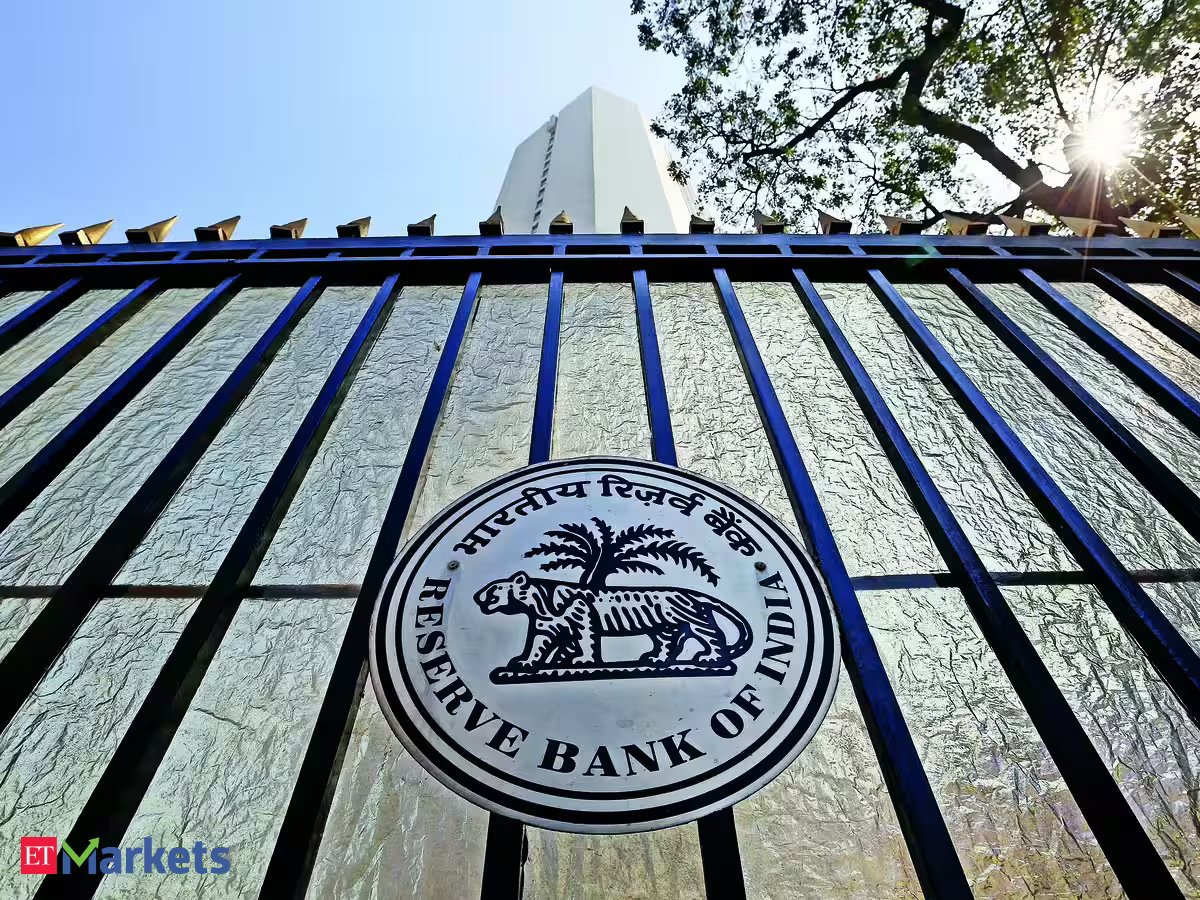
Why is the RBI pulling liquidity out of banks and injecting it back again?
Why was there a sudden gush in system liquidity?
The banking system was suddenly flushed with liquidity after banks attracted $133 billion dollars from overseas Indians under the FCNR(B) scheme. Banks exchanged these dollars with the RBI through a swap facility, receiving rupee funds in return. Thus, system liquidity, which stood at a surplus of about ₹3.5 lakh crore in August, went up to over ₹11 lakh crore in September.
What was the impact of this sudden liquidity surplus?
The overnight rates, the weighted average call rate (WACR), went as low as 4.93% in mid September, or 30 bps below the repo rate. The WACR is supposed to be closely aligned with the RBI repo rate. However, crude oil prices were also beginning to rise, fuelling expectations of a rate hike by the RBI to contain inflationary pressures. But for a rate hike to translate into tighter monetary conditions, liquidity would ideally need to be neutral or in deficit, with WACR at the repo rate. The banking system, however, was flush with surplus funds, kept overnight rates below the repo rate and potentially diluting the impact of monetary tightening.

Read more: Sundaram Mutual Fund announces launch of Equity Ex-Top 100 Long Short Fund through its SIF platform Select
What measures did the RBI take to absorb liquidity?The Reserve Bank of India was draining liquidity via temporary variable rate reverse repo (VRRR) auctions. But the WACR was still lower than the repo rate. The central bank also conducted sell-buy swaps of at least $10 billion in September in an effort to drain the excess cash.
Lastly, the RBI increased banks daily cash reserve ratio (CRR) to 99%, from 90%. Raising the daily minimum to 99% reduced banks’ flexibility to use those funds, helping Reserve Bank of India absorb surplus liquidity and keep overnight rates closer to its intended policy rate.
With the RBI maintaining a calibrated tightening stance, the persistently large liquidity surplus and overnight rates trading below the repo rate were at odds with its policy stance. The central bank therefore needed to absorb excess liquidity to align money-market conditions more closely with its tightening stance.
Read more: Jio Platforms’ IPO-linked inflows boost rupee; elevated oil prices spur caution
After withdrawing a substantial amount of surplus liquidity, why did the RBI announce a variable rate repo (VRR) operation to inject funds ?
The liquidity drain had pushed the WACR higher, with the rate rising to 5.75% last Friday, 25 basis points above the 5.50% repo rate on Friday. The WACR remains elevated at around 5.65% on Wednesday.
To prevent overnight rates from rising too sharply as liquidity tightens, the RBI has temporarily infused funds through VRR operations. It conducted a ₹1 lakh crore VRR auction on Monday and a ₹50,000 crore operation on Friday.