Should You Sell Your Stocks if a Bear Market Is Coming? Here’s Warren Buffett’s Advice.
The stock market is feeling wobbly. Interest rates are going higher. Inflation is still too high. And some investors are getting jittery about the artificial intelligence (AI) trade that has driven much of the recent growth in the S&P 500 index (^GSPC +0.15%). After a years-long bull market in stocks, could we be heading for a crash, a crisis, or a long-lasting bear market?
During times of uncertainty, some investors start to panic. Instead of a healthy skepticism about stocks, they go too far into outright doom and gloom. They cut back on their regular investments and sell stocks, moving money to “safer” assets like bonds or cash.
Here’s the problem with selling stocks before a bear market: no one knows the future. No one knows if a bear market is really coming, or how long it will last, or when it will end, or how rapid the eventual recovery in the S&P 500 might be. Investors often lose more money by missing out on long-term future gains than they “save” by trying to avoid a short-term downturn in stocks.
If you’re thinking about selling stocks to outrun a future bear market, let’s look at wisdom from Warren Buffett. His timeless advice should hopefully inspire the rest of us to avoid trying to “time the market.”
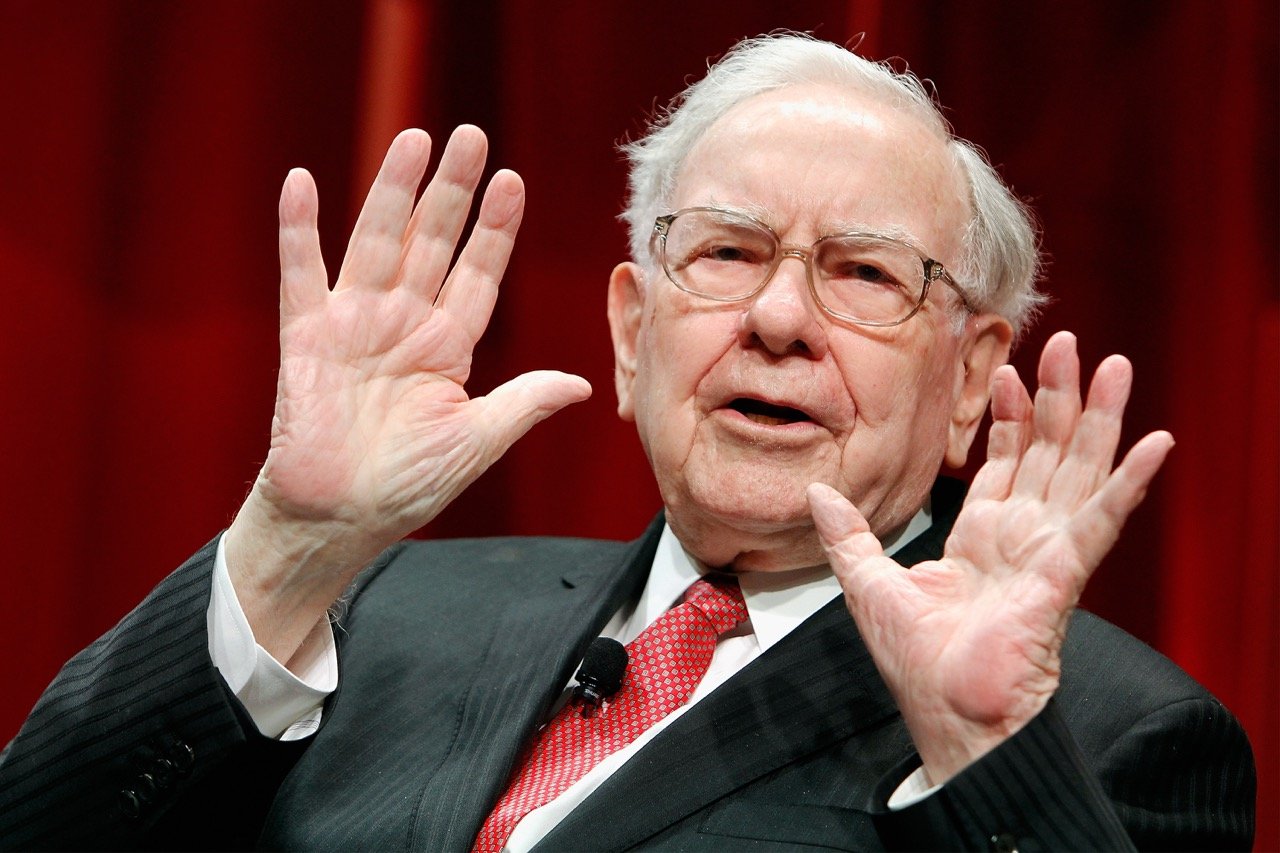
Image source: Getty Images.
Buffett’s long-term investing approach: Buy and hold great stocks “forever”
In more than 60 years as CEO of Berkshire Hathaway (BRKA +0.35%)(BRKB +0.20%), Buffett earned an astonishing total return of 5.5 million percent. But he didn’t do this by day trading or speculation, betting on short-term moves in the market, or flipping meme stocks for a quick profit.
Instead, Buffett was a long-term investor. He bought the stocks of high-quality companies that had sustainable, understandable business models. He backed company leaders that he believed in. And he held onto those winning stocks for years or decades. Buffett has famously said that his favorite holding period (how long to wait to sell a stock after buying) was “forever.”
Buy-and-hold investing is the antidote to short-term stock market anxiety. It’s understandable that people feel nervous about the latest headlines. The economy is always uncertain. The stock market is often volatile. But for most people, once you’ve decided to put your money to work in the stock market, it’s best to just leave that money alone and stay invested — through good times and bad.
Why timing the market doesn’t work
When people try to sell stocks “before the bear market starts,” or when people wait to buy more stocks “until next month, after the market calms down,” this is called “timing the market.” It means people believe they know better than the rest of us what’s going to happen in the future. It’s a way of trying to avoid the pain of stock market losses, while enjoying only the upside after stocks bounce back.
Here’s the problem: timing the market doesn’t work. If you sell stocks right before a crash, you might miss out on the recovery. The S&P 500 might drop 1% in a day, 5% in a month, or 20% (or more) in a year. But it can bounce back even faster. The stocks you sell today might suddenly be more expensive when you’re ready to buy back into the market.
What about the days when the S&P 500 goes up by 1% or 2%? What about the months when it goes up by 5% or more? If you’re trying to time the market and guess the future, you might not have your money invested during those times of maximum gains. Missing out on just a few of those best-performing days can hurt your long-term wealth in surprising ways.
A study from Schwab found that, based on 20 years of S&P 500 historical returns from 2005 to 2024, the S&P 500 delivered annualized total returns of 10.3%. But investors who missed out on the top 10 days during those 20 years only gained 6.1% annualized returns. That’s a reduction of about 40%. Trying to time the market often leaves people hustling backward.
Timing the market: Are you mentally tough enough?
Beyond the math, another big problem with timing the market is mindset. The frailties of human nature and the limits of psychology are tough to overcome. Many people overestimate how savvy, decisive, and mentally strong they’ll be during a stock market crisis.
Bear markets are stressful. People often don’t feel great about their finances when the S&P 500 is down 10% or more. Even if you manage to sell stocks at “the right time,” how do you know when to buy the dip and get back into the market? Do you really think you’ll be level-headed and confident enough to buy stocks at just the right moment?
Instead of being courageous, swashbuckling stock market heroes, many people tend to get more fearful and risk-averse during bear markets. They might think, “Oh no, a recession is coming, the economy is collapsing, I might lose my job, I’d better hold onto every dollar of my spare cash!” As a result, they miss out on big opportunities to buy stocks at a discount.
Want to be like Buffett? Buy the S&P 500
No one can predict the future; if they could, they’d be richer than Buffett. Even Warren Buffett himself frequently spoke humbly about how unpredictable and unknowable the day-to-day, month-to-month and year-to-year moves in stock market prices could be. He didn’t claim to know what was going to happen next with the S&P 500 in the short term. But he believed that in the long term, buying stocks — and holding onto them, not panic-selling in a bear market — was the best path to build wealth.
VOO Vanguard S&P 500 ETF
$707.51+$0.71 (+0.10%)
NYSEMKT · As of 10:05 AM ET 10/21/26
You don’t have to pick stocks like Warren Buffett to get rich. From 1964 to 2024, Buffett earned a compound annual growth rate of about 19.9%. But the S&P 500 index achieved 10.4% returns during those 60 years. Even if you “only” earn that average S&P 500 return by investing in low-cost index funds like the Vanguard S&P 500 ETF (VOO +0.10%), your money can grow more than enough to meet your long-term goals.