Warren Buffett Warned About Stock Valuations. So Why Is Berkshire Still Buying Stocks?
In general, I’ve always found it better to follow someone’s actions than their words, and the same holds true with investing. Interestingly, this rule can now be applied to legendary investor Warren Buffett and Berkshire Hathaway (BRKA +1.08%) (BRKB +1.21%).
In an early-May interview with CNBC, when asked whether stock prices were too high, Buffett responded, “Yeah.” He said prices for a “lot of things will look very silly,” and that he’s never seen more people in a gambling mood than now.
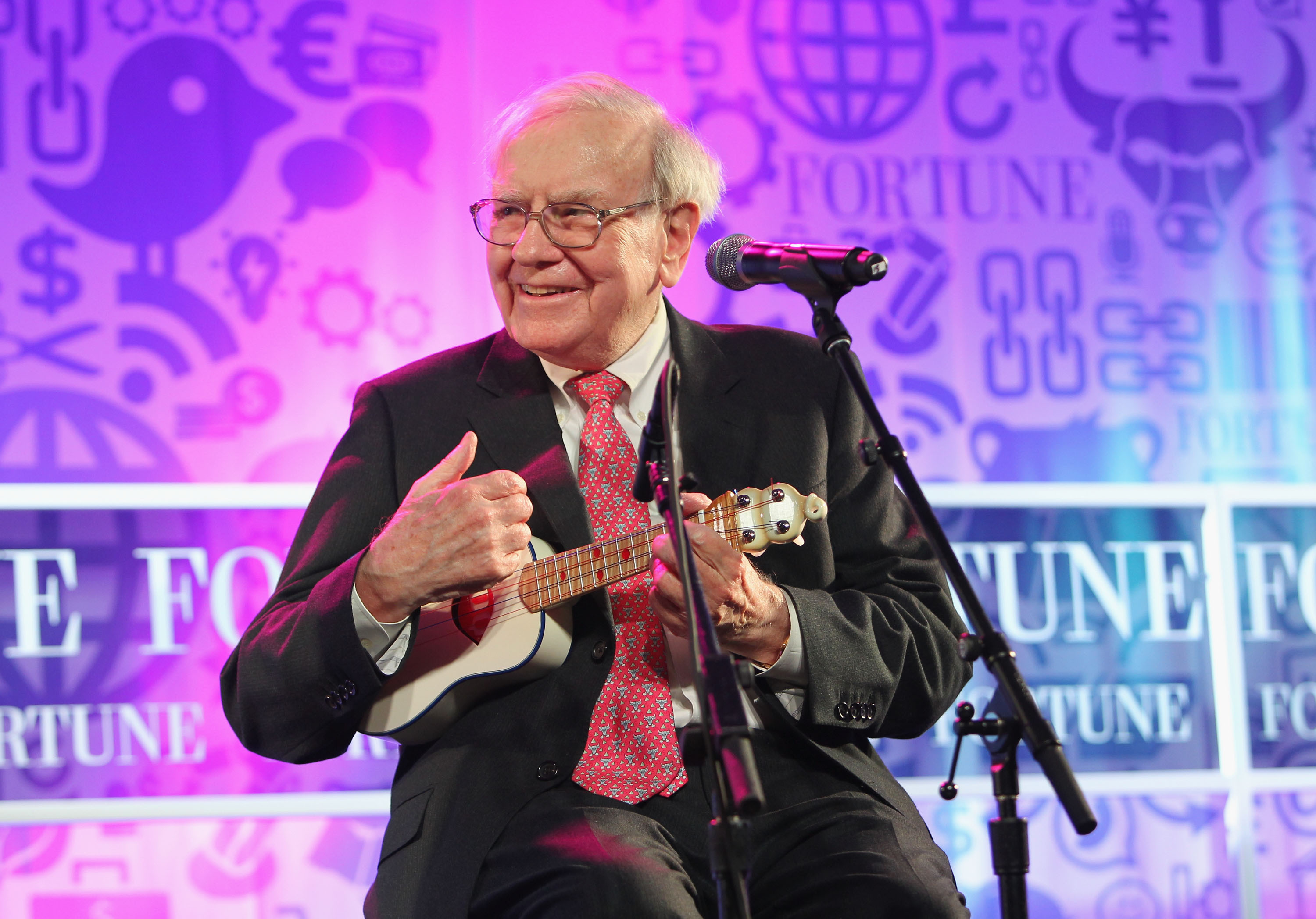
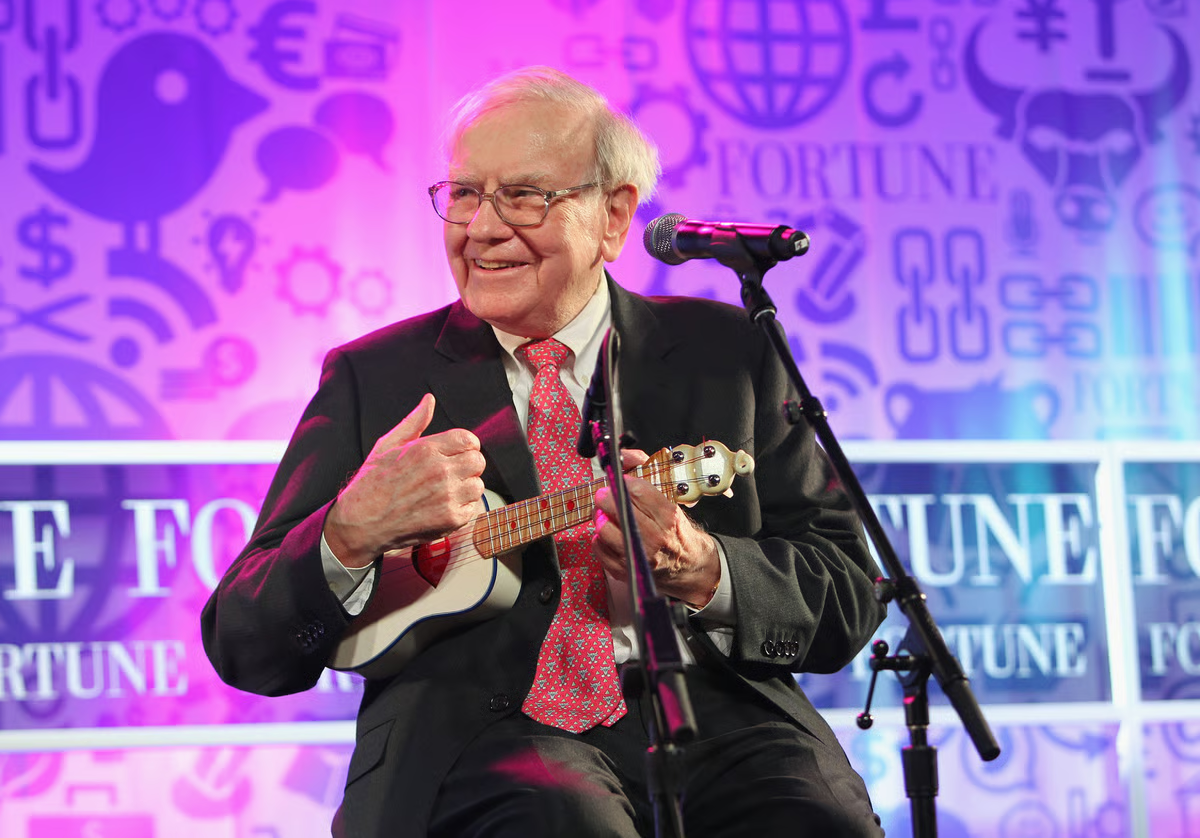
Warren Buffett. Image source: Getty Images.
Fast forward five and a half months later, and the S&P 500 index (^GSPC -1.09%) is up 7% between May 1 (7,230.12) and Oct. 15 (7,744.06) since Buffett’s interview. However, during that time, despite Buffett’s call that the market was overvalued and risk levels were elevated, Berkshire has become more aggressive.
Berkshire and Buffett in a buying mood
In Q2, Berkshire became a net buyer of stocks for the first time in three and a half years. The insurance conglomerate bought roughly $23.5 billion in stocks while selling only around $3.7 billion. Prior to that, the company had been aggressively pairing down several of its top holdings, including Apple and Bank of America.
BRKB Berkshire Hathaway
$532.02+$6.34 (+1.21%)
NYSE · As of 4:00 PM ET 10/16/26
At the same time, Berkshire bought back $4.5 billion worth of its own stock in the quarter. Prior to a modest $235 million share repurchase in Q1, it was the first time Berkshire had bought back any stock since 2024.
Berkshire has traditionally only bought back stock when it believes its assets are trading below their intrinsic value. In the past, it used price-to-book (P/B) ratios of 1.1x and 1.2x as guidelines for repurchasing shares, but it eliminated those thresholds in 2018. Berkshire stock currently has a P/B ratio over 1.5x, although it dipped below 1.4x in Q2 when it was buying shares.
Meanwhile, some of the stocks that Berkshire has been buying are also interesting. As of early October, over a quarter of the stocks in the S&P 500 were 40% or more off their highs. However, instead of hunting for bargains among these names, Berkshire has made investments in Alphabet (GOOGL -2.47%) (GOOG -2.32%) and the recent IPO Bending Spoons (BSP -15.60%). Under Buffett, Berkshire took a position in Alphabet toward the end of last year and then added to it significantly in a private placement this year to help fund the company’s artificial intelligence (AI) infrastructure investments. Alphabet is now Berkshire’s third-largest holding, representing nearly 13% of its equity portfolio.
More recently, the company has taken a stake in Italian company Bending Spoons. Berkshire bought $600 million worth of shares at its IPO in July, and then made another $330 million investment this month during a private placement. Bending Spoons is a leveraged digital technology holding company that buys beaten-down tech companies and works to improve their businesses by cutting costs, improving their technology, and raising prices. The stock trades at a 29-times forward price-to-earnings (P/E) ratio based on 2027 estimates and will carry plenty of debt, so it is not exactly a screaming “bargain” in any traditional sense.
Today’s Change
(-1.09%) -84.62
Index Level
7,659.44
Key Data Points
Day’s Range
7,631.77 – 7,756.84
52wk Range
6,316.91 – 7,844.52
Is now a good time to invest?
Whether you’re looking to invest in Berkshire stock or the broader market with an S&P 500 exchange-traded fund (ETF), such as the Vanguard S&P 500 ETF (VOO -1.10%), you’ll have some pretty heavy exposure to megacap tech. Apple and Alphabet make up nearly 35% of Berkshire’s equity portfolio, while large-cap tech stocks account for about 40% of the S&P 500.
Although there is some fear of an AI bubble and some potential red flags (certain backward-looking valuation metrics like the CAPE ratio and funding concerns), there are also signs that the AI boom is still in the early innings (cumulative spending to GDP vs. past historical innovation booms). And valuations based on projected future earnings growth look low (the S&P 500 has one of its lowest PEG (price/earnings-to-growth) ratios ever).
Ultimately, it’s nearly impossible to time the market, and time in the market is generally the better path to building wealth. As such, I’d continue to invest and dollar-cost average into stocks and ETFs, without letting valuation fears get in the way. In a way, that is what Berkshire has started to do this year.