ESG use by rating agencies targeted by state officials

State Treasurer of Utah’s Office
A group of Republican state treasurers and auditors sent a letter to rating agencies Wednesday, claiming their use of environmental, social and governance “predictions” harm state credit ratings and investments.
Processing Content
The 22 officials from 17 states said these “false ESG predictions” threaten states’ ability to pay for roads and schools, “as well as pensions for police officers, firefighters, teachers and other employees,”
“Ratings agencies’ use of false ‘transition risk’ predictions or retracted ‘physical risk’ studies harm states by leading to unwarranted downgrades of their bonds, as well as decreasing the value of states’ shares in downgraded companies,” the letter said.
It follows
Oklahoma State Treasurer Todd Russ, who signed the letter, said on Thursday he was encouraged by a growing national effort “to ensure credit rating agencies base their assessments on objective, pecuniary factors directly relevant to an entity’s creditworthiness.”
“Credit ratings should reflect an entity’s ability to meet its financial obligations, not ideological priorities or policy objectives unrelated to its financial risk,” he said in a statement.
The letter criticized the agencies’ assignment of ESG-related negative credit factors and outlooks to fossil fuel producing states, as well as downgrades for U.S. energy companies.
“The ratings agencies’ use of ESG is so subjective and inconsistent that while American companies were downgraded, ratings were affirmed for state-owned Chinese companies that are worse by every objective ESG metric,” the letter said. “Ratings agencies should use objective and consistent methodologies instead of using false and retracted ESG predictions, and should reverse downgrades that were based on those false predictions.”
The rating agencies were asked to respond to a list of questions.
Fitch, Moody’s, and S&P were targeted in April by Republican attorneys general from 23 states, who sent a
The letter set deadlines for the agencies to provide
In 2022,
The following year, S&P announced it
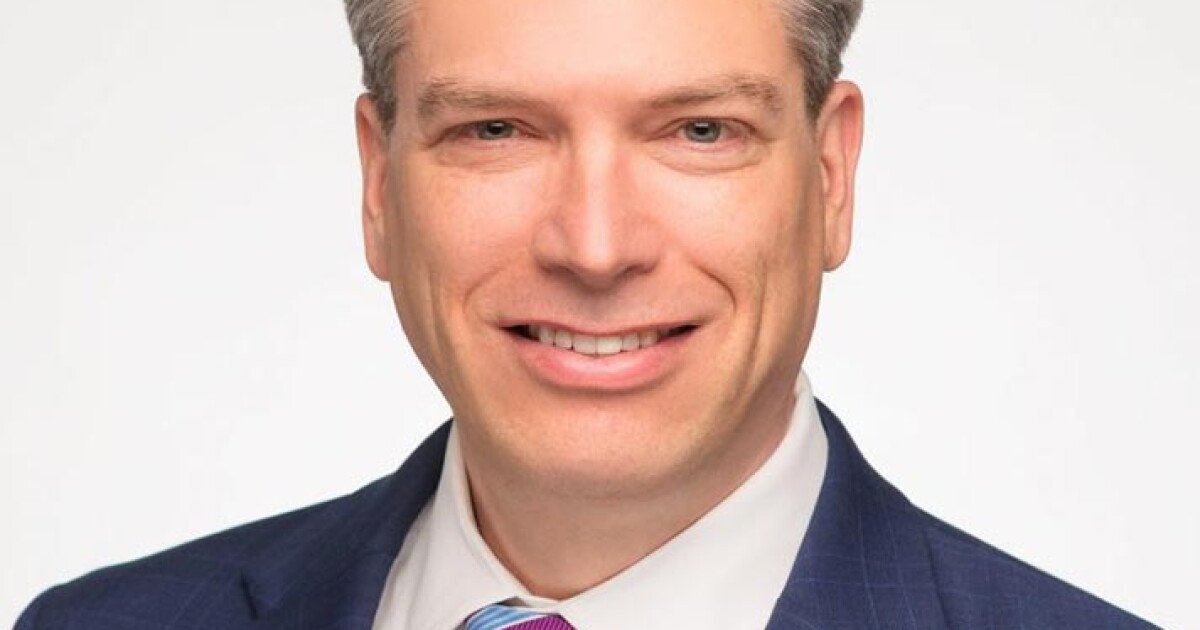
Utah State Treasurer Marlo Oaks, who has led
“Ratings agencies continue to incorporate speculative ‘transition risk’ and ‘physical risk’ assumptions into credit decisions, potentially increasing borrowing costs and harming taxpayers based on politically contingent predictions that have failed to materialize or have been retracted,” he said in a statement. “Credit ratings should be grounded in objective, consistent financial analysis, not political assumptions about the future.”