Macklem sees higher oil prices boosting growth, inflation

By Erik Hertzberg
(Bloomberg) — Bank of Canada Governor Tiff Macklem said he’s seeing more evidence that higher oil prices are supporting economic growth in Canada, and expects the bank will have a higher inflation forecast at the end of the month.
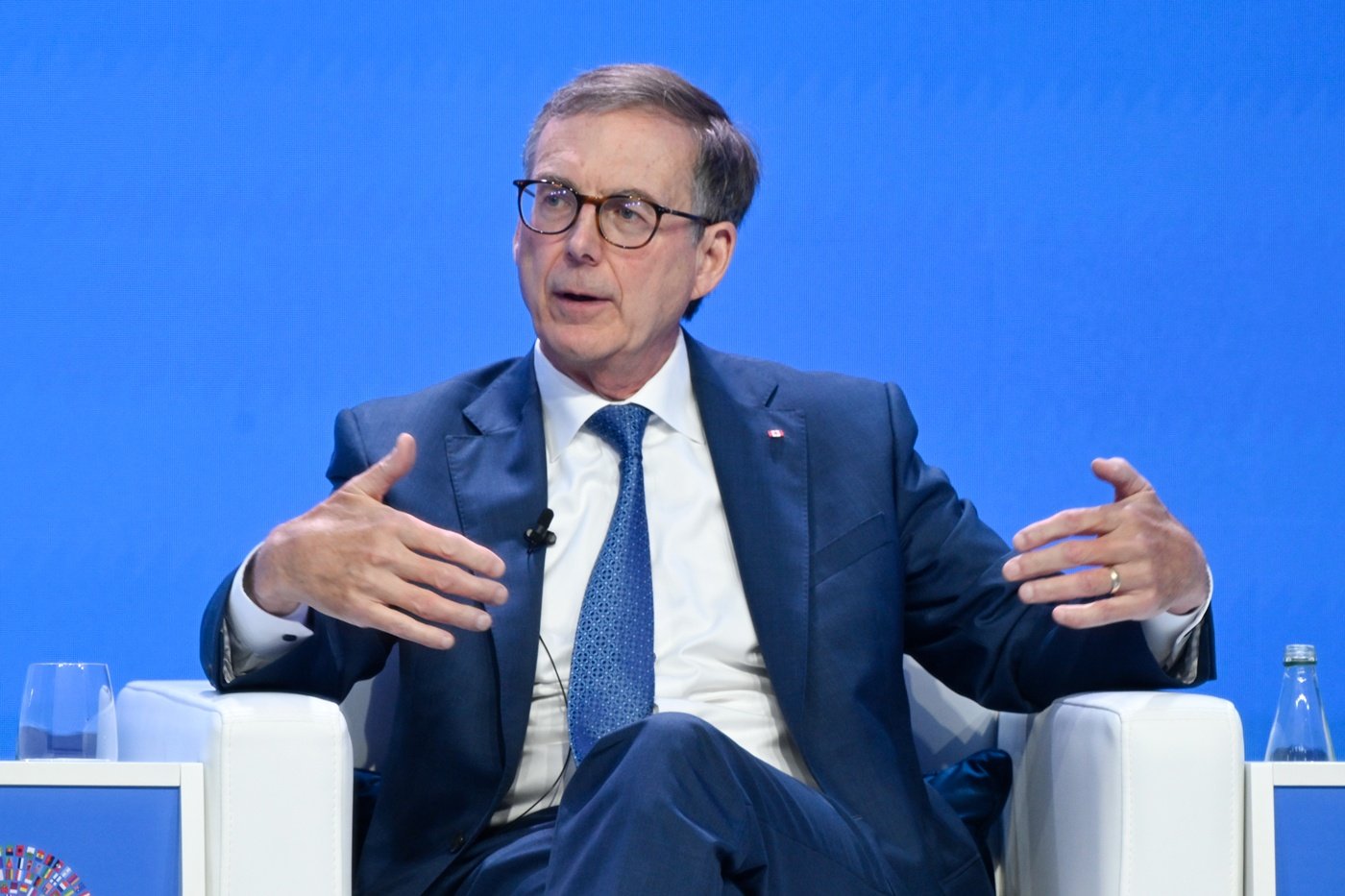
Unlike most other major economies, Canada is a net exporter of energy, causing “differential effects” for the northern country, Macklem said Saturday. He spoke to reporters in a call from a meeting of the International Monetary Fund and World Bank Group in Bangkok.
While high gas prices eat up more of consumers’ and businesses’ budgets, limiting their purchases, they’re also boosting exports, incomes, government revenues and investment, he said.
“For the country as a whole, higher oil prices mean there is more income coming into the country from our exports, and you can see that that is having a positive effect on growth,” Macklem said.
In April, the bank said it expected the investment boost from higher energy prices would be limited, in part because the energy sector would view the boon as temporary and opt for dividend payments in lieu of capital expenditures. At the same time, the bank argued that the longer prices were elevated, the more likely GDP would move higher.
Since then, there’s more evidence that higher energy prices are supporting growth in Canada, despite facing headwinds from the trade war escalation with the U.S. and slowing population growth.
Corporate profits surged in the second quarter, driven by higher energy revenues. The oil-rich province of Alberta is now expected to run a surplus instead of a deficit. And Prime Minister Mark Carney has announced what he calls the “productivity mega deduction” — a tax break designed to bring forward expenditures by letting businesses immediately write off the cost of eligible expenses.
The bank has warned that it may need to hike borrowing costs if energy prices remain elevated and policymakers see further evidence of inflation pressures spreading from higher gasoline prices to other goods and services.
“There’s no resolution in sight for the conflict in the Middle East,” Macklem said, adding that he expects the outlook for inflation to be higher when the central bank offers its new forecast in the monetary policy report later this month.
“The question we’re going to be asking ourselves is, is inflation likely to come back down towards our target on its own, or are we going to have to raise interest rates to influence the path?”
The Bank of Canada next sets rates Oct. 28. Traders in overnight swaps put the odds of a hike at that meeting at over a third.
©2026 Bloomberg L.P.
Visited 1 times, 1 visit(s) today
Bank of Canada Bank of Canada Governor Tiff Macklem bloomberg BoC Dashboard inflation international monetary fund tiff macklem
Last modified: October 17, 2026