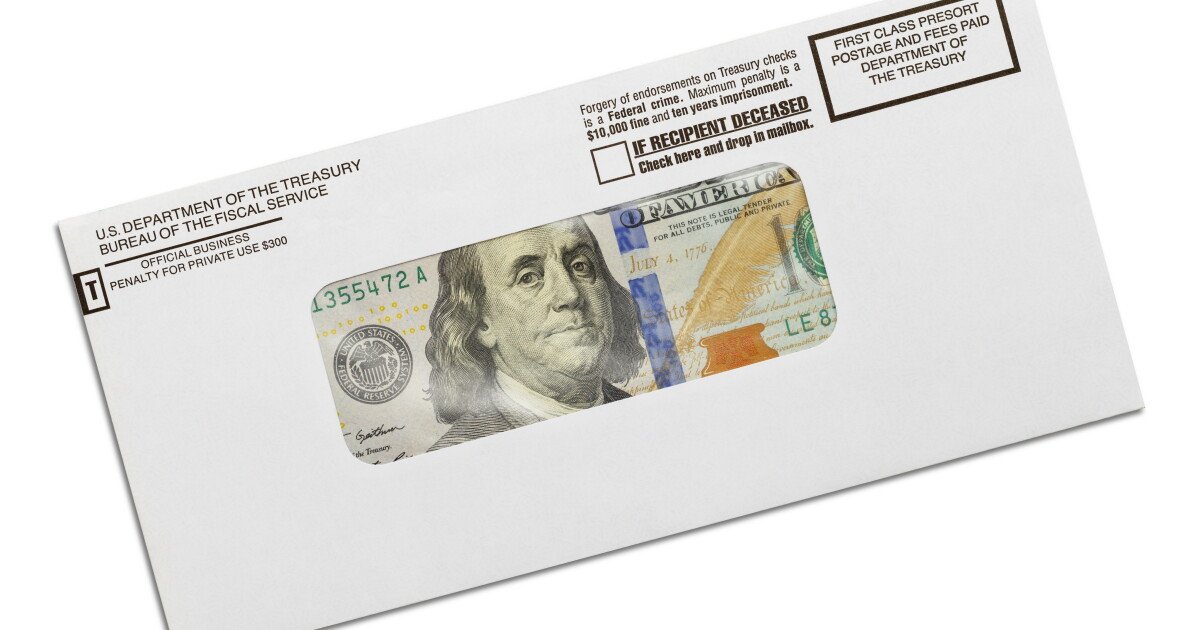
IRS sends automatic refunds to taxpayers claiming adoption tax credit carryforward

- Key insight: Uncover how a new Treasury interpretation of tax law is triggering automatic taxpayer refunds.
- What’s at stake: Adoptive families whose automatic refunds hang on specific tax account flags and filing dates.
- Expert quote: “…the IRS is helping reduce the financial burden on those who decided to adopt a child into their family.” — Frank Bisignano, IRS CEO
The Internal Revenue Service said Friday it has started issuing refunds to over 50,000 taxpayers who benefited from the adoption tax credit carryforward from prior years, the latest in a series of payouts to taxpayers ahead of the midterm elections.
Processing Content
The IRS anticipates the refund process for most eligible taxpayers to be complete by the end of this year.
The Treasury Department recently clarified its interpretation of the One Big Beautiful Bill Act, which Republicans have rebranded as the Working Families Tax Cuts, affecting the adoption tax credit. According to the new interpretation, for tax year 2025 only, adoption tax credit carryforwards from prior tax years (2020-2024) can increase the amount of the adoption tax credit that is refundable in 2025, subject to the $5,000 per qualifying child limitation.
“By issuing refunds without requiring eligible families to file an amended return, the IRS is helping reduce the financial burden on those who decided to adopt a child into their family,” said IRS CEO Frank Bisignano in a statement. “This administrative change will help families access the tax benefits they are entitled to as quickly and simply as possible.”
The Trump administration has been promising and in some cases sending out a variety of payouts before the midterm elections in November, including $500 refund checks to nearly 1 million people who receive health insurance through the federal Obamacare exchange, accompanied by a letter from Trump criticizing the Biden administration for overcharging them. The administration also sent out $1,776
The IRS said Friday it will adjust affected taxpayers’ accounts to reflect this change and issue any resulting refunds, notifying taxpayers of any changes made to their accounts. Taxpayers should not need to file an amended return to receive the additional credit. This approach promises to provide immediate relief to affected taxpayers, reducing the need to file amended returns.
Taxpayers will receive notices from the IRS, typically within 30 days of the adjustment, telling them about the amount and whether the adjustment resulted in a refund or was applied toward another tax or non-tax debt. The IRS said taxpayers should review the notice carefully, compare it with their 2025 tax return, and keep it with their tax records.
The refunds and adjustments started in late September and will continue until they’re complete, according to the IRS. Affected taxpayers generally do not need to take action. Taxpayers who filed their 2025 return before April 15, 2026, will generally receive any applicable adjustment automatically. Taxpayers who filed their returns under an extension or whose accounts have identity theft indicators, freezes, dependency conflicts or other issues will be reviewed later in 2026 after the return is processed or the account issue is resolved. For more information, visit
The IRS is encouraging all taxpayers to create an
Introductory bullet points created by AI with editorial review.