- Key insight: Fintech firms are moving in large numbers to acquire bank charters. This could be very good news for entrepreneurs, especially women and minorities, who are often ignored by more traditional banks.
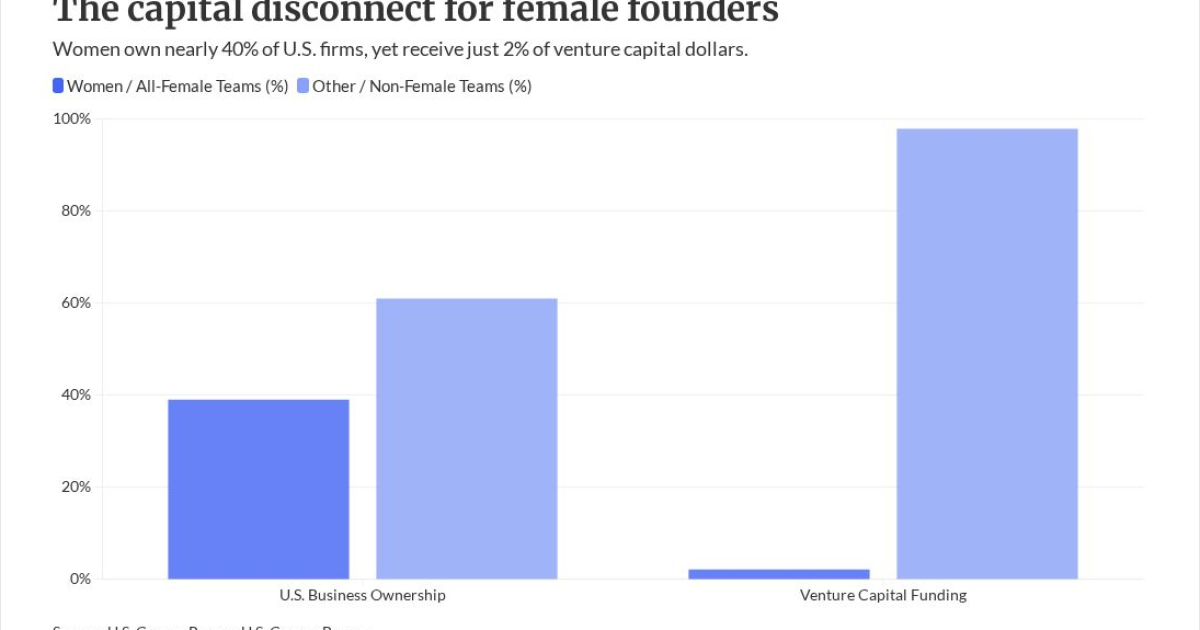
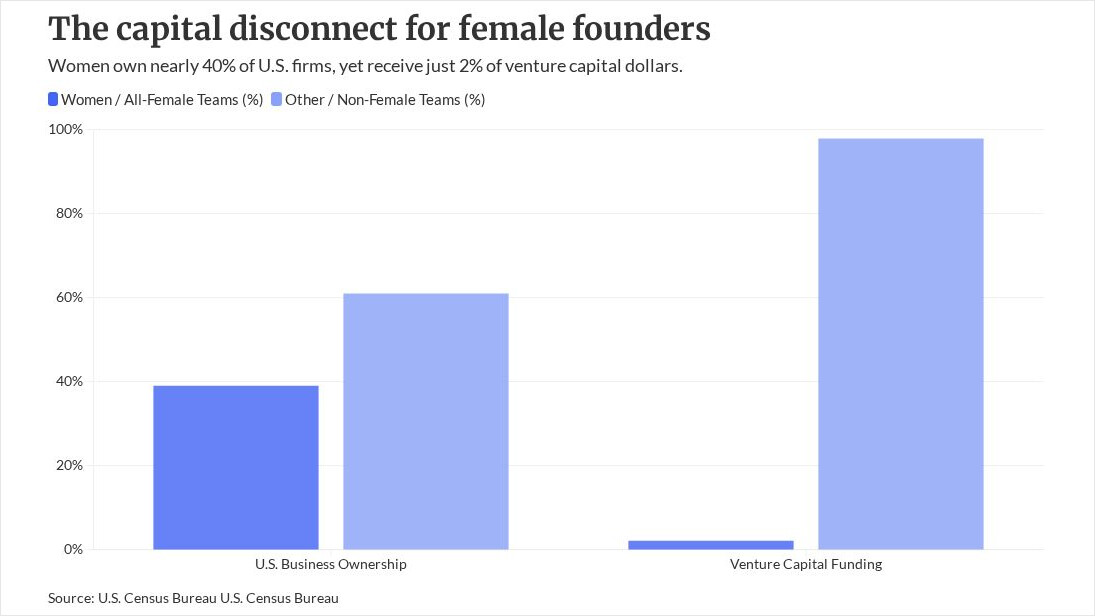
- Supporting data: Despite owning 39% of U.S. firms, startups with all-female founding teams received 2.1% of venture capital funding.
- What’s at stake: Funding constraints hamper business formation, leading fewer entrepreneurs to start enterprises.
Starting a business is not easy, especially when one has the passion but not the finances.
Processing Content
The vast majority of entrepreneurs do not have access to bank loans or venture capital. Instead, they bootstrap their ventures from income, credit, borrowed resources from loved ones and personal savings. The good news is this is changing: Entrepreneurs are poised to expand their pool of capital funding sources from familiar names in online lending. Affirm, PayPal, Enova and OppFi are part of a wave of financial technology, or fintech, payment companies pursuing pathways to become banks.
Regulators considering applications for fintech and bank mergers or acquisitions must weigh many considerations. However, policymakers should welcome the interest of fintechs in the banking world — one of the most highly regulated industries.
By increasing access to institutional capital — and creating new, faster, more accessible pathways to getting this capital — policymakers can help Americans overcome one of the biggest hurdles to starting and growing enterprises.
Consider Destyny Dindy, a personal trainer who sought to start her own business. Alternative credit such as small-dollar loans helped her cover expenses between paychecks as she got her business off the ground. Without these financial lifelines, Destyny could not have built her fitness business.
Female and minority entrepreneurs know the challenges of accessing private institutional capital for their startups. Women begin with less capital than men. Despite owning 39% of U.S. firms, startups with all-female founding teams received 2.1% of venture capital funding.
Racial minorities experience similar capital funding gaps as women. New Black-owned firms start with a third of the capital as their white counterparts and are more likely to use credit cards to fund their startups.
Various factors explain these capital gaps, including borrower risk and investor risk preferences. Borrowers with limited business history and limited assets at start-up may not be able to prove their creditworthiness to secure investment.
Funding constraints have real consequences for our economy. They hamper business formation, leading fewer entrepreneurs to start enterprises. Also, firms launched without institutional capital tend to be smaller, have fewer sales and lower profits, lower employment, and higher failure rates.
The economy needs a healthy and growing banking system. After the Great Recession and the COVID pandemic, banks consolidated, and over 5,000 bank branches closed, leaving many consumers in “banking deserts.” At the same time, consumer patterns have shifted to embrace the convenience that mobile banking and digital services provide.
Read more:
Still, millions of Americans operate outside of the traditional banking system entirely. According to Federal Reserve data, more than 18% of U.S. households are either unbanked or underbanked. They tend to be young, non-Asian minorities, less educated and residing in low-income households. Traditional banks won’t lend to borrowers who might not repay. These high-risk borrowers have low credit scores, high debt-to-income ratios, thin credit histories, unsteady incomes and past financial crises.
Fintechs precisely serve high-risk borrowers. By partnering with traditional banks, fintechs offer them alternative credit or loan products. This system works. Granting fintechs bank charters would allow this industry to serve consumers currently unserved by traditional banks — with a payoff of greater access to credit, potentially at lower costs, and new rewards and products.
Fintechs are often targets of critics on the Left who bemoan their business model as predatory. Lawmakers like Senator Elizabeth Warren are none too happy with fintechs gaining bank licenses and are pressing the Trump administration to halt Enova’s charter application. Nearly two dozen state attorneys general called on federal banking regulators to block fintechs from acquiring banks.
Yet granting fintechs bank charters moves them into full prudential banking supervision — including under the Office of the Comptroller of the Currency and possibly the Federal Deposit Insurance Corporation and Federal Reserve — which critics should welcome.
Fintechs will have to compete under added restrictions and compliance costs. Regulators will examine fintechs’ capital ratios, liquidity buffers, and earnings to ensure safety and soundness. Although fintechs and banks are both subject to anti-money-laundering and terrorist financing laws such as the Bank Secrecy Act, or BSA, and Anti-Money Laundering, or AML, fintechs stand to assume new customer onboarding, compliance, and reporting obligations. In addition, they face consumer-protection requirements and compliance with the Community Reinvestment Act if they take on bank deposits.
States would lose the ability to enact interest rate caps on alternative credit that have proven to restrict access to credit for the riskiest borrowers without improving financial hardships like delinquencies, as the Federal Reserve has proven.
Bringing fintechs under greater banking oversight signals an evolution for this industry that serves those too often forgotten. Aspiring entrepreneurs stand to gain.