Elon Musk Promised “a Million Robotaxis” by 2020. None Materialized, and a Dedicated Robotaxi Fleet Isn’t Expected Until at Least 2027. Here’s What That Track Record Means for Tesla’s Valuation.
By now, most of us are used to Tesla (TSLA -1.29%) CEO Elon Musk making bold claims. One of the latest is that one of his other companies, Space Exploration Technologies, could eventually be the world’s most valuable company.
And his claims about Tesla have been very ambitious, too. Musk said in 2019 that Tesla could have “a million robotaxis” by the end of 2020 using software upgrades to existing vehicles.But to date, just several hundred of Tesla’s vehicles are part of its Robotaxi service.
Here’s why continually missing bold timelines could catch up with Tesla stock.
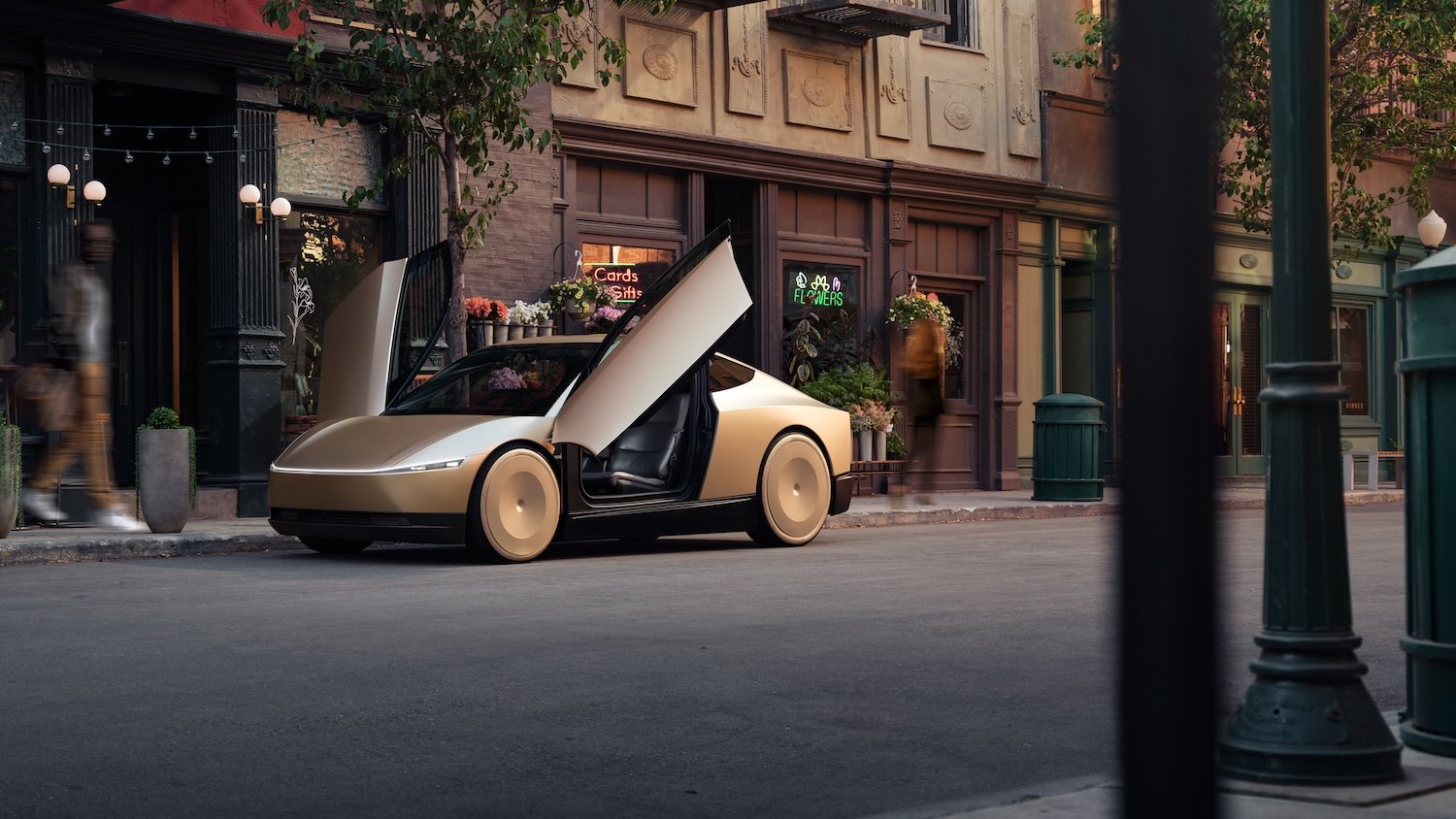
Image source: Tesla.
What Tesla wants to do with Robotaxi in 2027
Tesla is the second-largest self-driving company in the U.S., with just under 400 Robotaxi vehicles on the road as of mid-2026. The company completes about 28,000 self-driving rides each week, according to an EVwire report.
For comparison’s sake, Alphabet‘s Waymo is the leading self-driving company in the U.S. with a fleet of more than 2,500 vehicles and more than 450,000 weekly rides.
The Tesla Cybercab — an autonomous vehicle built without a steering wheel or pedals — is central to the company’s Robotaxi goals, and Musk has said the two-seater vehicle will be available next year for $30,000 or less.
But the Cybercab is still in its early production stages, and Tesla recently added just 300 of the vehicles to its Austin Robotaxi service.
Considering it’s nearly the end of 2026, it’s completely unrealistic to think Tesla will ramp up production of the Cybercab — or its other vehicles — to catch up to Waymo or match Musk’s initial goal by next year.
$362.44-$4.72 (-1.29%)
NASDAQ · As of 4:00 PM ET 10/15/26
Bold claims no longer impress investors
There was once a time when investors would mostly take Musk’s boldest claims as an indication of Tesla’s huge growth potential. Even when Tesla missed its timelines, which it does often, it didn’t matter as long as the company was moving forward.
The problem is that Tesla is having a much harder time growing than it has in the past, and shareholders aren’t as patient as they once were.
Tesla shares recently rose after the company reported better-than-expected vehicle production and deliveries in the third quarter, but they’re still down 15% over the past 12 months.
Musk has repeatedly said that Tesla should be viewed as an autonomous and robotics company, and yet more than 70% of its revenue still comes from selling cars.
I don’t assume Tesla will fail at building a successful Robotaxi service. But given that Tesla often misses its proposed timelines and its Robotaxi service is many years behind its initial projections, shareholders are right to be skeptical.
And considering that Tesla’s shares have a trailing price-to-earnings ratio of 351, which is a very high premium to pay for a company in the middle of an (unproven) transition to autonomous vehicles, Tesla needs far more than bold claims to make its stock appealing.