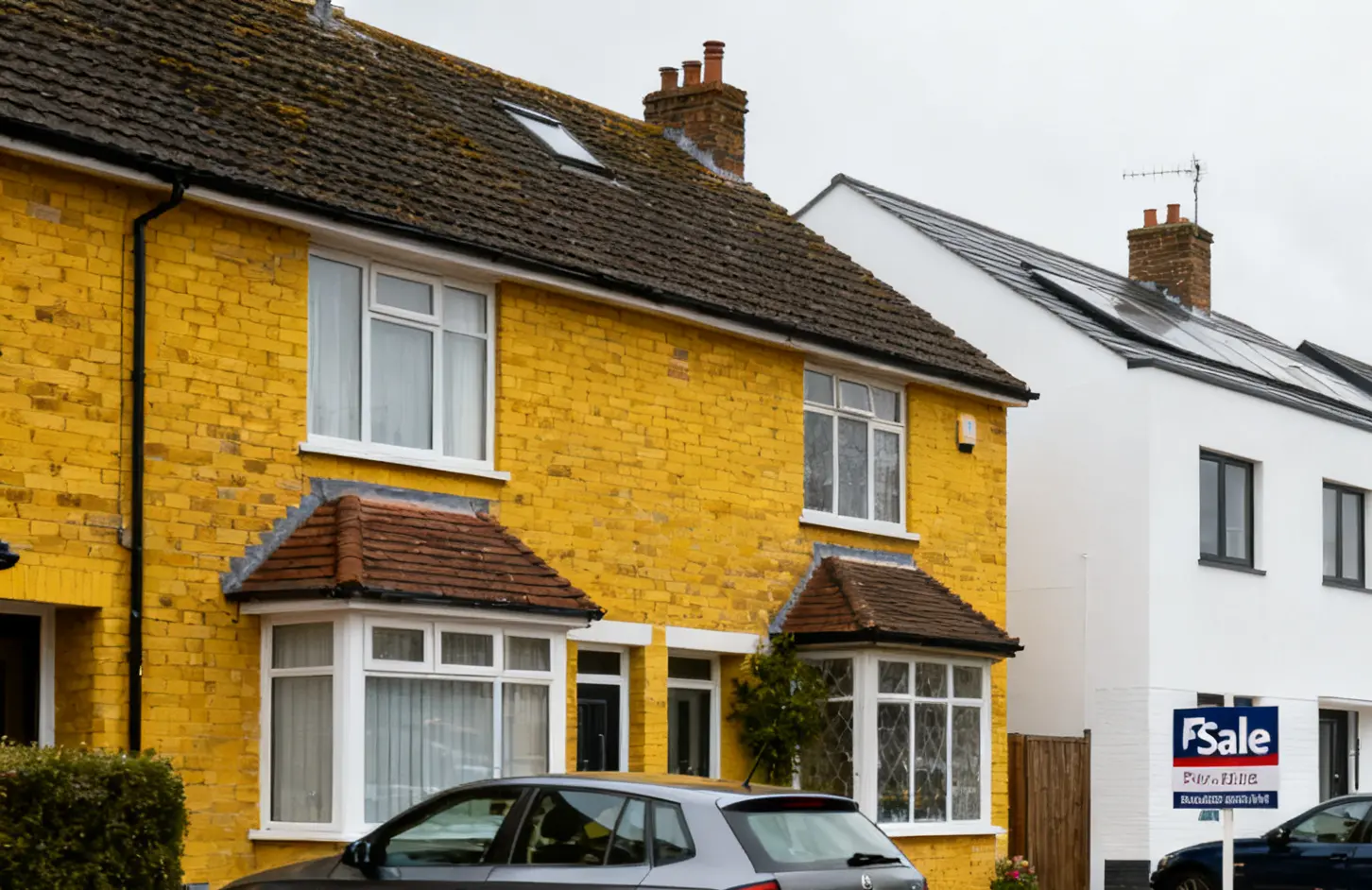
Half of UK family homes now affordable on average income
More than half of two and three-bedroom houses for sale in the UK are now within reach of households earning the average income, according to research from Zoopla.
The property portal found that 51% of family homes are listed with an asking price below £301,000, up from 45% a year ago. This threshold represents the maximum a household with a combined income of £53,500 can afford, based on a mortgage of 4.5 times income and a 20% deposit.
The improved affordability means 84,300 houses are now accessible to average earners, as wage growth continues to outpace house price increases. However, despite this improvement, sales agreed remain 9% lower than the same period last year.
Regional variations
Southern and eastern England have seen the most significant improvements in affordability, with prices remaining flat or declining whilst incomes have risen. The South West recorded the largest increase, with the share of affordable houses jumping 9.8 percentage points to 47%. The East of England rose 9.2 percentage points to 39%.
Northern regions showed smaller gains, largely because most housing stock was already within reach of average earners. The North East leads with 83% of family homes priced below the threshold, followed by Scotland at 80% and Yorkshire and the Humber on 76%.
The South East remains the least affordable region at 23%, with an average asking price of £375,000. London has fewer than 100 two and three-bedroom houses priced below the £301,000 threshold.
Mortgage rates dampening activity
Richard Donnell, executive director of Zoopla, noted that whilst the number of affordable family homes has increased, higher mortgage rates are offsetting the benefits. “The impact is being offset by higher mortgage rates which are adding to the monthly costs of taking out a new mortgage,” he said.
The current market conditions reflect broader trends in UK property finance, where lending pressures continue to affect various segments of the market. Donnell added that the greater choice of homes for sale is supporting a buyers’ market, meaning sellers are having to be more realistic on pricing.
The findings suggest that whilst affordability has improved in absolute terms, transaction volumes remain subdued due to higher borrowing costs. This dynamic creates a market where potential buyers have increased purchasing power from rising wages but face higher monthly repayments, contributing to reduced market activity compared to previous years.