What Gen Z Gets Wrong About Taking On a Mortgage
Financial anxiety, shame, and information overload can discourage Gen Z from buying a home, even if they can afford to do so.
In a recent report by FirstHomeIQ and National MI featuring 1,000 Gen Z and millennial consumers, 63% said they felt overwhelmed by homebuying information, 42% had put off speaking to a housing professional, and 37% avoided thinking about buying a home altogether.
“The findings show what happens when a generation that has done everything it was told to do—save, budget, check your credit—still doesn’t believe it’s enough, still doesn’t trust the process, and is starting to walk away,” Kristin Messerli, executive director at FirstHomeIQ, said in the report.
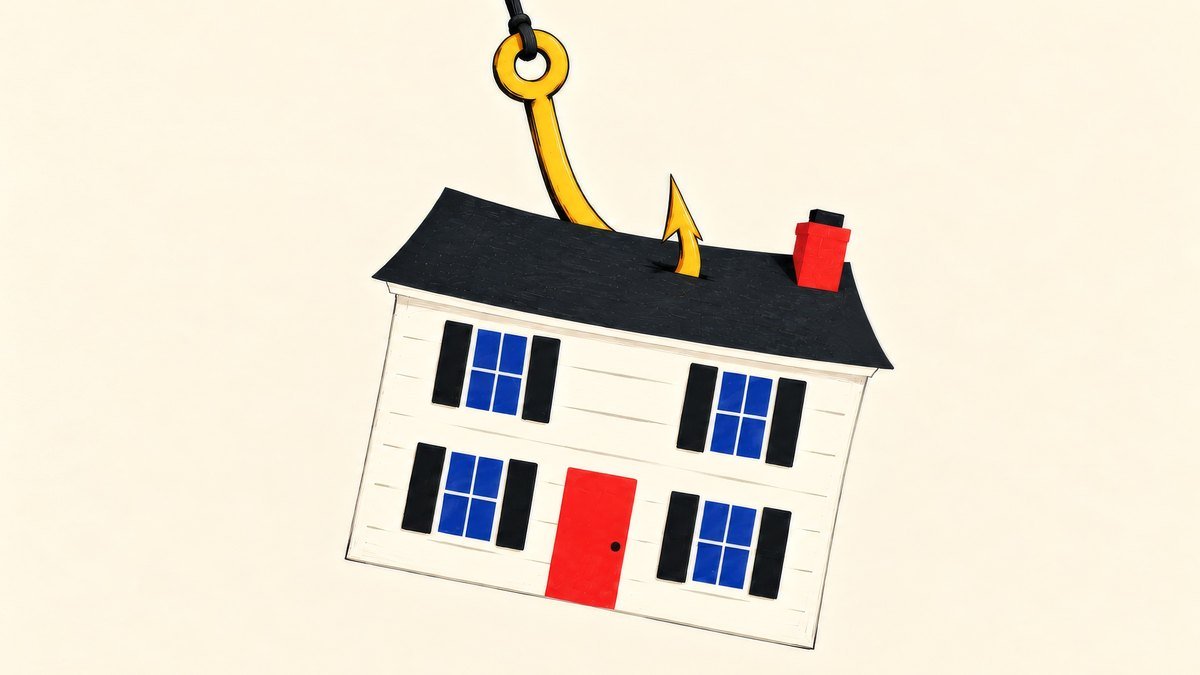
If you’re a current or aspiring Gen Z homebuyer, know that homebuying doesn’t have to feel like a trap. As long as you have a realistic budget, clear understanding of all costs, and a trusted team with your best interests in mind, you can move toward it with confidence.
What can trip up Gen Z buyers
It’s not uncommon for Gen Z to run into pitfalls as they navigate homeownership—but much of their anxiety could be quelled by finding a real estate professional they trust to guide them through the process.
Problem is, while 63% trust that mortgage and housing professionals have the knowledge to give good advice, only 37% believe professionals put the client’s best interests first.
Furthermore, only 1 in 8 (12%) feel confident they won’t be taken advantage of. Roughly 60% harbor explicit fears about being taken advantage of (60%), pressured into bad decisions (58%), or kept in the dark about better options (57%).
But here’s what a real estate pro can tell them to get them over their fears.
Underestimating hidden ownership costs
Saving for a down payment is just one part of preparing for homeownership. And 50% of respondents believe they need to save 20%.
While the down payment is important, it shouldn’t be the sole focus, especially because you can buy a home for less than 20% and there are many other ownership costs to consider.
“Readiness means looking beyond the payment. How stable is your income? How much cash will remain after the down payment and closing costs? How long do you expect to stay? Could you handle a major repair without going into debt?” says Ben Cohen, senior vice president of mortgage lending at Rate in Chicago.
Misjudging interest rates
Some Gen Zers may compare today’s rates with those their parents secured, making homeownership seem less attainable. In the report, 76% of respondents believe homeownership is harder today than it was for their parents.
Gen Z may also have unrealistic expectations about where rates are headed.
“Some are anchored to the rate a friend received a year ago and are waiting for a number that is not coming back anytime soon. Others treat today’s rate as temporary,” says Frederick Blum, broker and owner of Blum Realty Group in San Diego.
Ultimately, trying to time the market can become a serious barrier to ownership.
“You can spend years guessing when prices or interest rates will hit their lowest point. But in the meantime, you may be missing opportunities that are right in front of you,” says Corey Wayne, licensed real estate salesperson at High Line 2 Hamptons in New York City.
Rushing into buying
FOMO, fear of missing out, among Gen Z is very real.
Many of them see pictures of friends in new homes all over social media and may feel like they have to go ahead and follow in their footsteps now. That’s why it’s not too surprising that 58% of respondents fear pressure to make decisions they don’t understand.
How to set yourself up for homeownership success
If you’re a Gen Zer thinking about buying a home, these expert tips will help you evaluate your financial readiness and make smart decisions that align with your lifestyle and goals.
Perform the readiness test
Blum recommends you look past your pre-approval amount and calculate what you can comfortably afford.
Start with your monthly take-home pay—not gross. Subtract the full monthly cost of a specific home you’re considering. This should include the principal, interest, taxes, insurance, mortgage insurance, HOA dues, and a maintenance reserve (1% to 2% of the home’s price).
Next, account for your expenses—your debt payments, groceries, utilities, savings, and discretionary expenses. What is left is your margin, and that margin can decide whether this home is security or a trap.
“If a $2,000 repair in Month 3 would have to go on a credit card because there is nothing left in reserve, the house is too much, no matter what the lender approved,” explains Blum.
Buying a home should leave you with enough left over to handle unexpected expenses and maintain the lifestyle you desire.
Find a homebuying team you trust
Distrust can create a real barrier to homeownership, and the report found that it’s definitely an issue for Gen Zers—only 12% aren’t worried about being taken advantage of.
That’s why it’s important to shop around for a real estate agent and mortgage professional whom you trust.
“That right guidance can make all the difference. My role isn’t simply to help someone find a home. It’s to help them understand the market, recognize value, negotiate strategically, and make informed decisions they’ll feel good about long after closing,” says Wayne.
Read reviews, ask your network for their recommendations, and interview a few professionals so you can make the most informed decision for your unique situation.
The individuals you choose should answer your questions in a way you understand, explain unfamiliar terms clearly, and simply give you a good gut feeling.
Be flexible
In many cases, buying a home you can afford means thinking outside the box. And according to the report, many Gen Zers are doing just that: 43% would choose a smaller home or fixer-upper, 42% would move to a lower-cost area, and 35% would take advantage of down payment assistance programs.
Wayne is seeing this type of flexibility firsthand with his Gen Z clients.
“I’ve worked with buyers who are willing to give up a doorman or expand their neighborhood search to get better value for their money. Others are becoming more open to homes that need light renovations, especially in kitchens and bathrooms, where cosmetic updates can create an opportunity to purchase at a more attractive price,” Wayne explains.
Don’t rush
If you find that you’re not financially or emotionally ready to buy a home, that’s OK.
The current economic challenges of homeownership are real, and if you can’t make the math work, delaying homeownership until you boost your savings, get a promotion, and/or pay down debt can ultimately put you in a stronger financial position.
“Buying your first home is a major life milestone, and it’s important to feel confident in that decision,” adds Wayne.