UPI MDR Charges: Will consumer prices rise at stores if merchants start paying a nominal fee? Govt answers
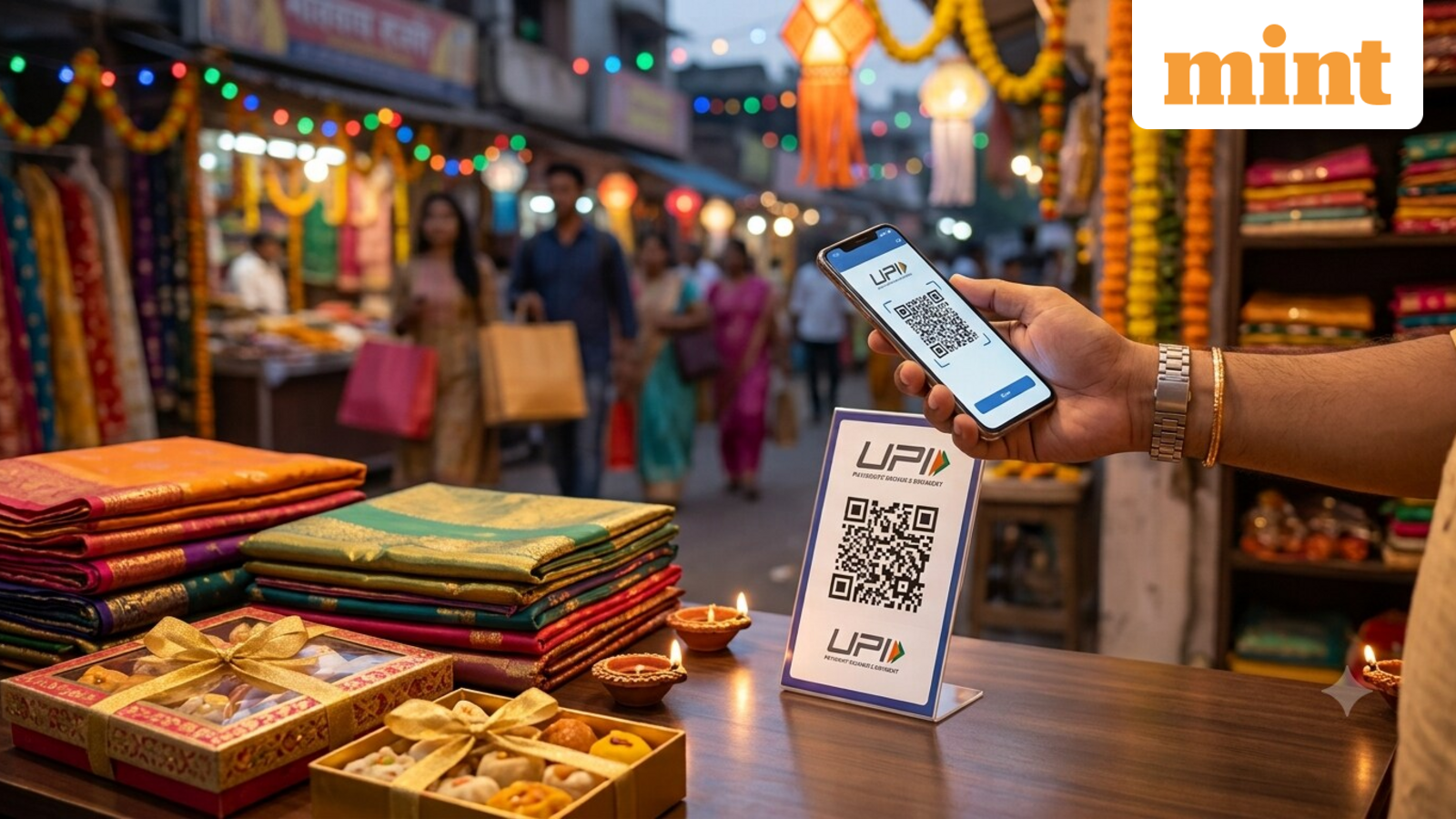
The central government announced in September that it would end more than six years of zero-fee UPI usage by introducing a 0.4% surcharge on merchant transactions above ₹2,000, capped at ₹300 for payments of ₹75,000 and above.
The decision led to immediate pushback from local business owners, who argued that the extra charge could eat into their margins on products and services.
The UPI network powers payments for more than 500 million consumers purchasing everyday items, from street tea and food to smartphones and home appliances, across Asia’s third-largest market.
While the government has assured consumers that UPI transactions will remain free, as they have been so far, concerns persist that merchants may pass on the additional charge to buyers. This could eventually push up the cost of everyday essentials and other products as well as services.
NPCI addresses concerns over hiked prices at stores
The National Payments Corporation of India (NPCI), which facilitates services such as UPI payments, has responded to concerns that MDR on high-value UPI transactions could lead merchants to increase prices of products and services, potentially passing on the additional cost to consumers.
In its FAQs document published last month, it noted that market dynamics and historical payment trends show that merchants absorb nominal digital processing costs to drive higher business volume.
“Payment acceptance costs are considered standard operational overheads that are offset by increased footfall, higher average ticket values, and reduced cash-handling risks,” the FAQ’s response read.
As the proposed UPI MDR is much lower than credit card fees and applies only above specific transaction thresholds, shopkeepers have no economic incentive to inflate retail shelf prices, the payments corporation noted, assuring consumers they will continue paying the exact listed price for goods and services.
Additionally, the government has advised banks to ensure that merchants do not pass MDR charges on to customers. UPI application providers are also prohibited from imposing platform fees or hidden charges, according to the FAQs.
How MDR charges will be rolled out in India
Apart from the 0.4% MDR on specified merchant payments above ₹2,000, transactions exceeding this threshold in essential services and thin-margin sectors will attract a flat MDR of ₹5 per transaction. These sectors include railways, telecommunications, insurance, fuel and agricultural inputs.
A separate, much lower MDR of 0.02% will apply to capital-market-related UPI payments, also capped at ₹300 per transaction. This category includes transactions involving mutual funds, securities, stock brokers and dealers.
MDR is a charge within the merchant payment ecosystem, and hence does not apply to customers making UPI payments. Shopkeepers and businesses will be responsible for bearing the extra costs.
Will UPI MDR roll out be delayed to January?
The implementation of the new MDR framework for UPI transactions will likely be deferred to January 1, 2027, instead of the earlier proposed October 15 rollout date, Reuters reported on Thursday, citing a regulatory official and an industry executive familiar with the matter.
The sources told the news agency that the NPCI has not yet taken a final decision on the matter. The government, too, has made no formal announcement regarding any such decision so far.
The delay in MDR implementation, if it happens, will give payment firms more time to upgrade their systems and allow merchants to navigate the upcoming festive shopping season without an immediate change to UPI payment costs.