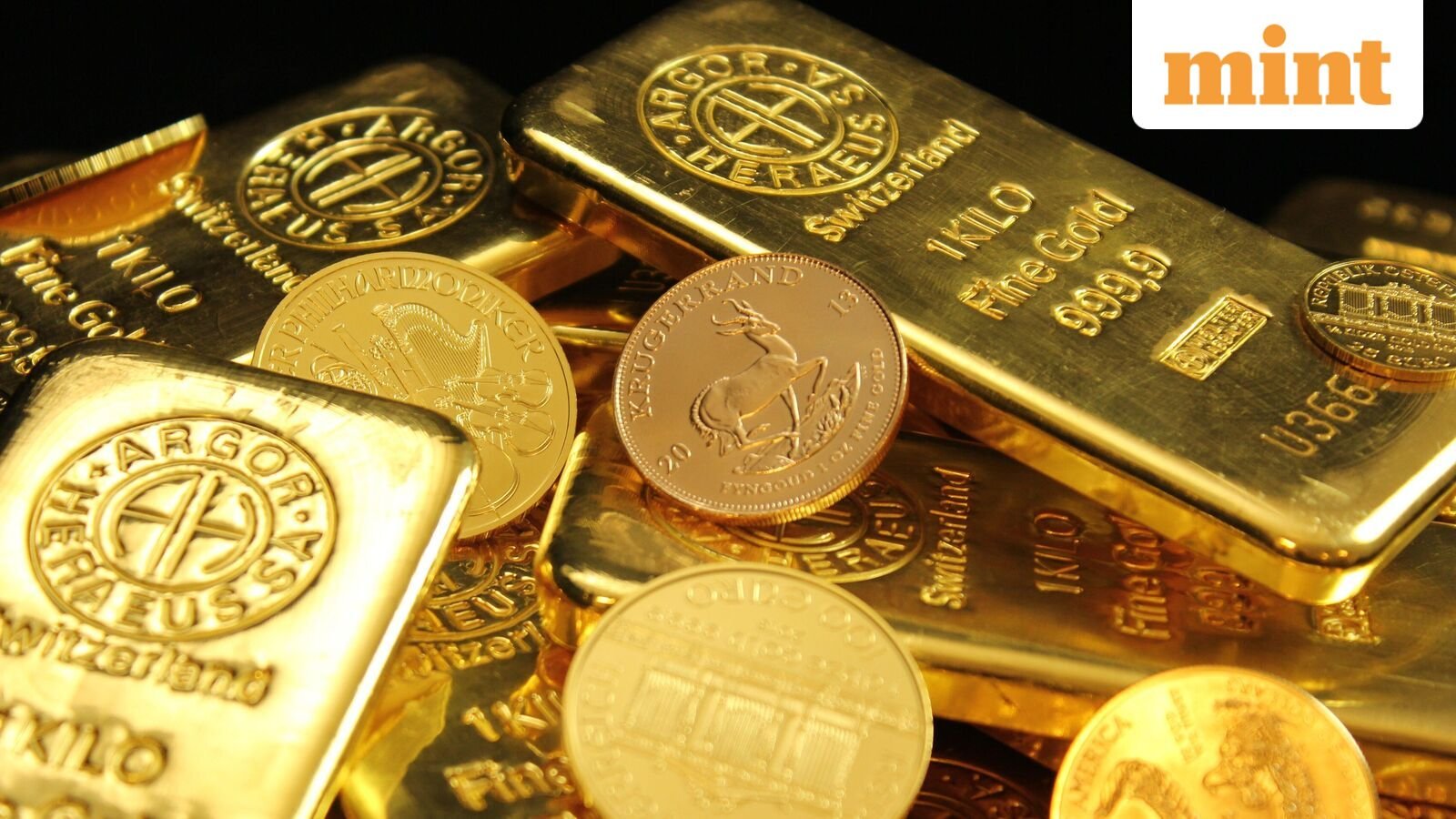
No more tax relief for importing gold, silver and platinum: What does it mean? Will buyers pay more?
The government has ended tax relief for banks importing gold, silver and platinum. Banks must now pay 3% Integrated Goods and Services Tax, or IGST, upfront.
According to Revenue Secretary Arvind Shrivastava, banks have paid this tax since 1 April 2026. The government informed the GST Council about the change on 8 October.
“This is done to ensure parity of taxes imposed on imports of gold and other metals through different routes,” Reuters quoted Shrivastava as saying.
What has changed?
The exemption covered gold imports in 2017. It was later extended to other precious metals. Under this relief, banks could import these metals without paying IGST upfront. The exemption for banks and nominated agencies has now expired.
Bank imports, therefore, attract the 3% levy when shipments clear customs. This changes when importers must arrange money for tax payments.
The government wants different import routes to be subject to similar tax rules. Earlier, bank channels enjoyed an upfront tax advantage over alternative routes.
Ending the waiver puts bank imports alongside shipments through organised trading platforms. One such platform is the India International Bullion Exchange in Gujarat’s GIFT City.
The aim is to prevent tax rules from favouring a particular import route. Importers can then choose routes without that earlier tax advantage.
How does this affect importers?
Eligible businesses can recover the levy through input tax credits. These credits allow eligible businesses to adjust the tax already paid.
However, importers still need money to pay the tax. That can increase their short-term cash needs.
Banks handling large shipments may have more money tied up in tax payments. Arranging these funds can also increase financing costs.
The pressure, therefore, concerns available cash and the cost of funding imports.
Will buyers pay 3% more?
The withdrawal does not automatically make retail gold or silver prices rise by 3%. Prices also depend on international rates, exchange rates and basic customs duties.
However, higher funding costs could affect prices along the supply chain. Banks and importers may pass some expenses through small changes in their margins.
This could influence the prices paid by local jewellers. Any effect on buyers would therefore depend on how these costs are passed along.
The change comes amid closer government tracking of foreign currency spending and trade deficits. Precious metal imports contribute to these concerns.
Gold demand remains strong ahead of the festive and wedding seasons. The broader policy direction is towards more organised trade and uniform taxation.