How Chrysler Building’s Retail Became a Ghost Town
Nearly every weekday from 2005 to 2019 I walked directly from the subway at Grand Central through the retail space under the Chrysler Building, occasionally stopping at the barber shop, delicatessen, dry cleaner or locksmith.
These shops offered the kind of retail experience that, to me, makes New York City superior to places where errands require driving from one strip mall to the next, as I did during a previous job in Parsippany.
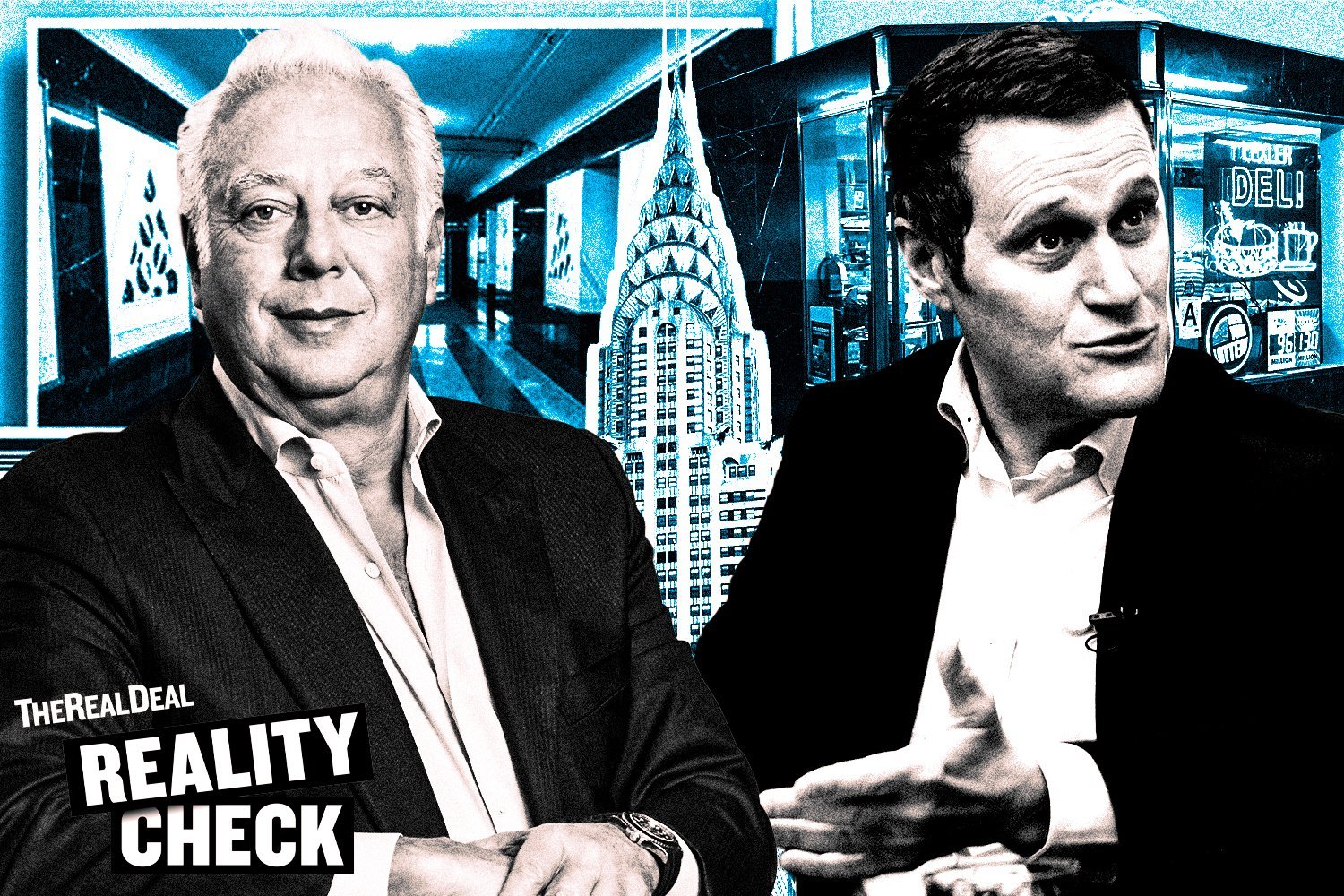
Then Aby Rosen’s RFR bought the iconic office building on Lexington Avenue in 2019 and promptly cleared out every last retailer. It appeared that he planned to bring in higher-end shops, yet nothing ever happened. That part of my commute became like walking through a ghost town.
Retail revenue was never a major part of the Chrysler Building’s rent stream but I don’t see how Rosen was helped by reducing it to zero. In 2025, with his company allegedly owing more than $20 million in rent, he lost control of the Midtown property. This week, Tishman Speyer finalized its ground lease with The Cooper Union and laid out its strategy to revitalize the building.
The plans include reactivating the “underground arcade” with amenities such as fitness, wellness and meeting spaces to attract office tenants to the floors above. Unfortunately it has no immediate plans to bring back retail, which is disappointing. There is foot traffic, as savvy commuters still use the passage to cross under Lexington Avenue.
Perhaps the new owner is not enamored with the idea of non-tenants going in and out of the building’s lobby to reach the arcade and Grand Central.
Tishman Speyer is, at least, leaving the door open to bringing back stores at some point. “Longer-term, we are open to retail uses in the arcade as a complement to the amenity program,” a spokesperson said.
What we’re thinking about: Adjustable-rate mortgages, or ARMs, initially offer a lower rate than traditional fixed-rate mortgages, which makes them more attractive when rates go up. The average 30-year mortgage rate just hit a three-year high of 7.28 percent, up from 5.98 percent in February.
True to form, demand for ARMs also increased, rising to 11 percent of rate locks, according to the ICE Mortgage Monitor Report. That’s the highest they’ve been in nearly four years.
The irony is that these conditions show the danger of adjustable-rate mortgages. When interest rates soar, as they have since March 2022, borrowers with ARMs suffer while those with fixed rates sleep peacefully.
Clearly that hasn’t scared away recent mortgage applicants, in part because ARMs offer an initial fixed-rate period. Borrowers who opt for ARMS are betting that rates will be lower when their rates reset.
How did that bet work out for homebuyers who got adjustable-rate mortgages in the first year of the pandemic? The monthly payment for about 74,000 seven-year ARMs initiated in 2020 will soon jump by 36 percent, or about $1,066.
Whatever savings those borrowers reaped by choosing an ARM is going to disappear because rates are unlikely to return to where they were any time soon.
Hindsight is 20/20, but one wonders why any early-pandemic borrowers opted for ARMs in the first place, given that 30-year, fixed-rate mortgages were incredibly inexpensive at the time — just 2.66 percent, on average, for the week ending Dec. 24, 2020.
I wondered if they might have been talked into ARMs by mortgage brokers seeking higher commissions, but the Dodd-Frank Wall Street Reform and Consumer Protection Act, passed in the wake of the housing crash, banned the practice of offering higher commissions based on the type of loan.
One more thing: Rat sightings on the Lower East Side are up 38 percent this year, which a Department of Sanitation spokesperson told Crain’s was driven by three problematic blocks and was “potentially reflective of issues inside the individual buildings rather than on the street.”
When in doubt, blame landlords?
I’m not sure that was the spokesperson’s intention, but it would fit the pattern of the Mamdani administration.
Read more

Even Mamdani’s favorite landlords are exasperated

Mamdani: Be lenient with poor tenants, and I’ll freeze your rents

“Less than a Telluride”: Jay Martin dares tenants to buy Harlem building