UPI MDR Charges From October 15? Rollout of Fees on Transactions Above Rs 2,000 May Be Delayed Until January
News
The proposed reintroduction of Merchant Discount Rate (MDR) on select UPI transactions above Rs 2,000 may be postponed until January, giving merchants, banks and digital payment companies additional time to prepare for the new system. The charges were earlier expected to come into effect from October 15, 2026, but the proposed delay could push the rollout back by a few months.
No UPI MDR Charges From October 15? Rollout May Be Delayed Until January
According to a Reuters report, the government is considering the deferment, citing an industry executive and a regulatory official familiar with the discussions. The National Payments Corporation of India (NPCI) is yet to make a final decision.
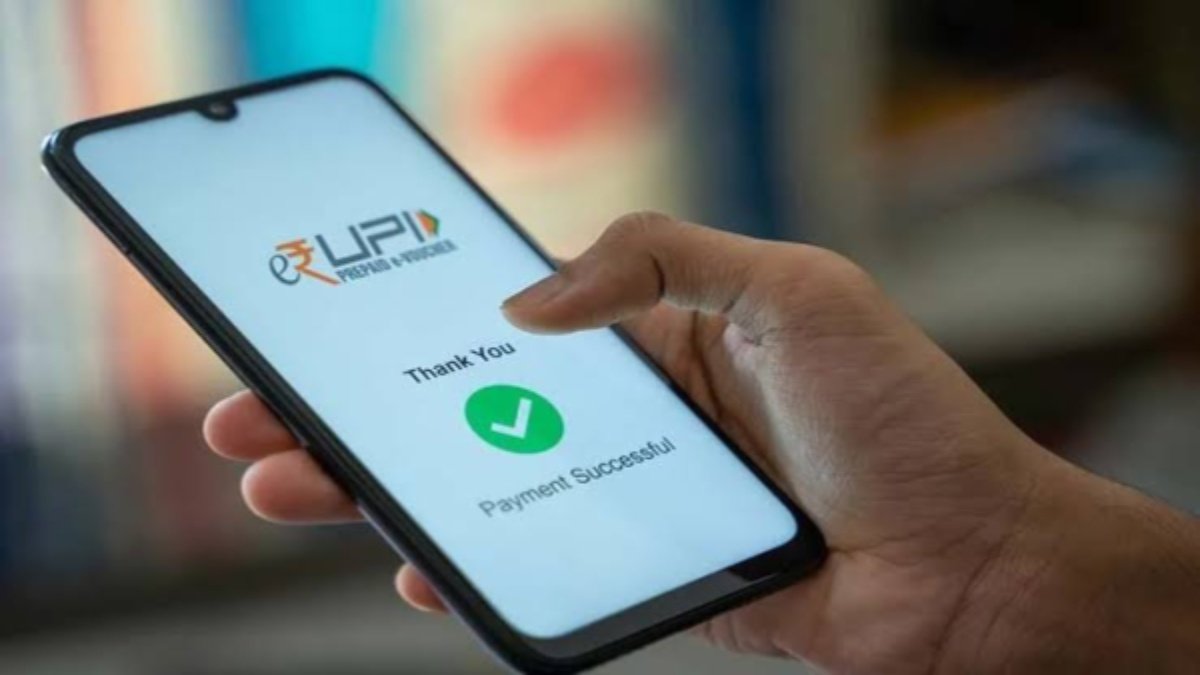
/img/2026/10/upi-21211791545835.jpg "UPI MDR Charges")
If implemented, the proposal would mark a significant change in India’s UPI payment system, which has operated under a zero-MDR policy for years. However, the proposed charges would apply only to specified merchant transactions, not to every UPI payment.
Why Could UPI MDR Charges Be Delayed?
The proposed October 15 rollout coincides with India’s festive shopping season, when retail purchases and digital payments typically increase. Introducing a new transaction charge during this period could require payment companies and merchants to make changes to their systems, settlement processes and billing arrangements.
A postponement would give businesses more time to understand the rules and prepare for the changes. Payment service providers would also need to communicate the revised fee structure clearly so merchants know which transactions attract charges and how the deductions will be reflected in their settlements.
Although MDR is a charge paid by merchants rather than customers, the change could still influence how some businesses handle digital payments. Smaller retailers may be particularly concerned about additional costs and whether their transactions qualify for exemptions.
UPI MDR Charges Above Rs 2,000: How Much Will Merchants Pay?
Under the proposed framework, MDR would apply to specified person-to-merchant (P2M) UPI transactions exceeding Rs 2,000. The amount charged would depend on the merchant’s category.
Payments made to railways, telecom service providers, insurance companies and fuel outlets would attract a flat charge of Rs 5 per eligible transaction. For other eligible merchants, the proposed MDR would be 0.4% of the transaction value, subject to a maximum charge of Rs 300 per transaction.
For example, if a customer makes a UPI payment of Rs 10,000 to an eligible merchant in the regular category, the proposed MDR would amount to Rs 40. For the specified railway, telecom, insurance and fuel categories, the charge would be Rs 5 on the same transaction value.
The proposed framework is intended to distinguish between merchant categories rather than apply a uniform fee to all high-value UPI payments.
Which UPI Transactions Will Remain Exempt From MDR?
Not all UPI transactions would attract the proposed charge. Payments between individuals, such as transferring money to friends or family, would continue to remain outside the MDR framework.
Merchant payments of up to Rs 2,000 would also be exempt. This would protect small-ticket purchases, which account for a significant part of everyday digital transactions, from the proposed fee.
The framework also proposes an exemption for RuPay debit card transactions. In addition, person-to-person merchant (P2PM) transactions are expected to remain exempt. This category generally covers smaller merchants receiving up to Rs 1 lakh per month directly into their bank accounts through UPI QR codes.
These exemptions are important for small businesses that depend on UPI to accept payments without adding significant transaction costs. The final implementation date and applicable rules will depend on NPCI’s decision.
Disclaimer: The views and recommendations expressed are solely those of the individual analysts or entities and do not reflect the views of Goodreturns.in or Greynium Information Technologies Private Limited (together referred as “we”). We do not guarantee, endorse or take responsibility for the accuracy, completeness or reliability of any content, nor do we provide any investment advice or solicit the purchase or sale of securities. All information is provided for informational and educational purposes only and should be independently verified from licensed financial advisors before making any investment decisions.