Managing banks’ five-second decision window in instant payments
- Key insight: Not every financial crime control should be performed during the limited time frame provided by instant payments rails for accepting or rejecting payments, nor should they necessarily be performed by models that provide answers immediately.
- Supporting data: The Clearing House processed 142 million RTP payments totaling $576 billion in the second quarter of 2026.
- What’s at stake: One payment in isolation tells you very little. Monitoring looks at groups of transactions over days. It’s complicated and can’t be reduced to what happens when you look at one payment at one particular moment in time.
Should a bank perform financial crime controls inside the window where payment rails allow a transaction to be accepted or rejected, or outside of it? That’s a key decision for banks as they deploy
Processing Content
The Office of Foreign Assets Control does not prescribe screening processes for
The two major instant payments rails in the U.S., FedNow, operated by the Federal Reserve Banks, and The Clearing House’s RTP, allow banks to “accept without posting” when they receive inbound transactions. This feature allows a bank to receive a transaction that might require further review, for example, for compliance or legal reasons, and provides the receiving bank some time to determine whether to ultimately accept or reject the payment.
Accept without posting is narrowly scoped to certain situations, however, including legal or entitlement reviews. A bank that accepts without posting a transaction on FedNow, for example, must reject the transaction and return the funds, or post the transaction, by midnight Eastern Time on the next business day, unless specific circumstances apply, such as when the receiving financial institution remains concerned the recipient isn’t entitled to the payment and either action is prohibited by law.
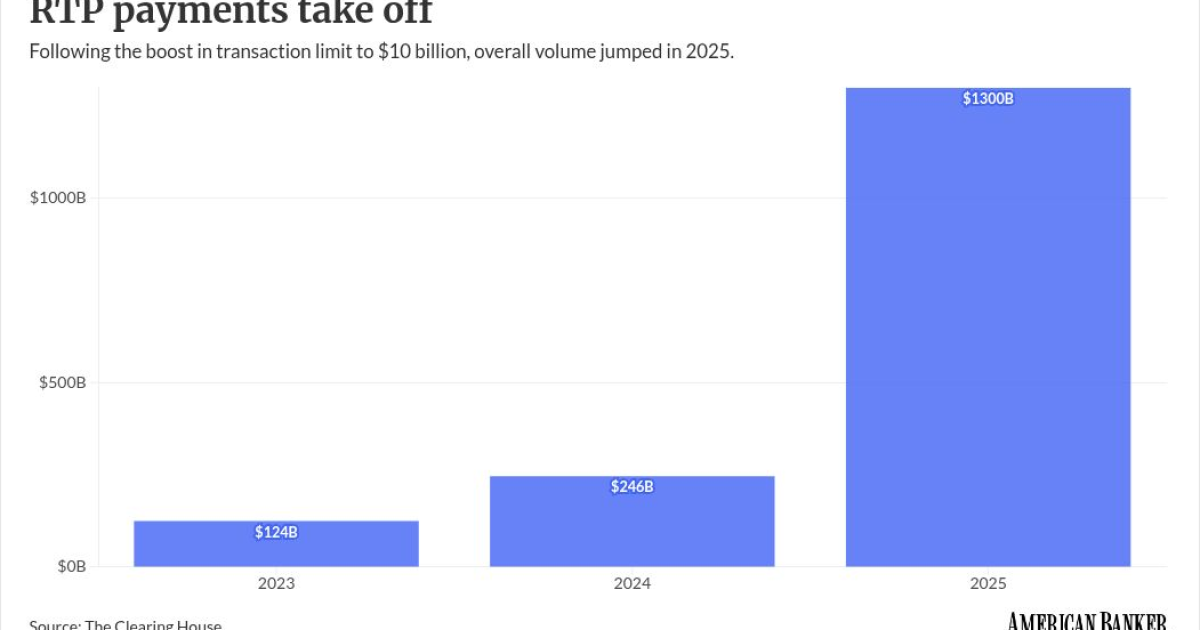
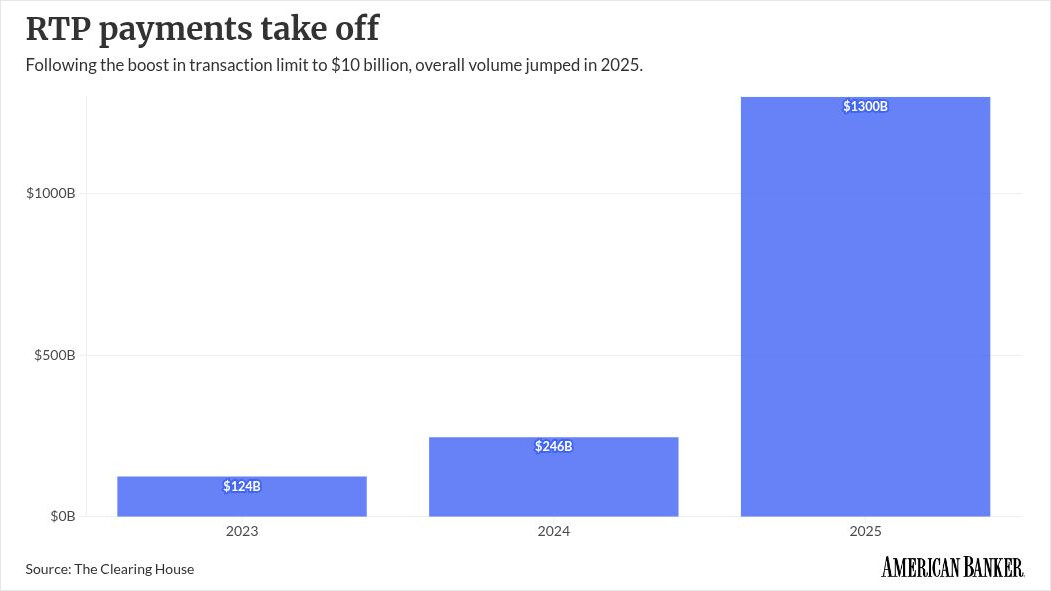
Accept without posting isn’t available to sending banks. RTP is a push-based payments rail that enables payers to send payments. If a financial institution sends a payment using RTP, it can’t recall it. The institution won’t have any ability to modify or cancel a transaction after sending it. The Clearing House processed 142 million RTP payments totaling $576 billion in the second quarter of 2026.
Receiving banks have up to five seconds to send FedNow a response for each payment they receive, a response indicating whether a bank accepts a transaction, rejects it or accepts without posting.
In April of this year, the Federal Reserve Board proposed changes to Regulation J that would, among other things, allow FedNow to be used to process the U.S. leg of international payments. In response to the proposal, The Clearing House and the Bank Policy Institute warned in June that banks bound by the current five seconds might answer every cross-border payment with accept without posting. Instead, they said the Fed should modify FedNow’s payment timeout clock and response time frames to accommodate international payments.
Financial crime teams have been under increasing pressure to perform more of their controls and monitoring on payments in real time. That’s understandable: Money moves fast, and controls should be designed to stop bad payments before they’re completed, especially those that can’t be reversed. But these controls don’t all have the same job. Sanctions screening asks whether this payment can proceed. Suspicious activity monitoring asks what a run of payments says about a customer, so the bank can report it and decide what to do about the relationship. The rail’s clock only matters for the controls that have to answer inside it. But not every financial crime control should be performed during the limited time frame provided by instant payments rails for accepting or rejecting payments, nor should they necessarily be performed by models that provide answers immediately. Controls that run during the acceptance/rejection phase increase technical complexity, which could open new vectors for transaction failures. They can also increase latency.
Read more:
Direction matters. Are we talking about outbound or inbound payments? As mentioned, The Clearing House’s RTP doesn’t allow financial institutions to recall payments. Once a payment is submitted, no control the sending bank runs afterward can pull it back. Controls performed before RTP-originated payments are submitted, think account takeover controls that examine bursts of new login activity on a customer’s account, can be extremely effective. Controls that run after an RTP payment is initiated can still flag the account and the pattern, but they can’t retrieve the money.
The answer will vary by control, too. Payments can be held for OFAC review, for example, because those controls rely on identity information, such as names or aliases, and banks can flag the transaction while they check. Suspicious activity monitoring is based on transactional activity that’s analyzed and correlated over days.
Speed isn’t always necessary. Many financial crime models are fast enough to perform controls within the amount of time provided by FedNow or RTP. That doesn’t mean that every financial crime model should perform controls in these windows, however. Each use case should be considered to determine whether stopping the payment is the goal at all, or whether the control exists to report and investigate.
Not all controls will improve if pointed at exceptions, meaning payments set aside from the normal flow for a closer look. It can be effective to perform some controls after payments are initiated, for example, screening payments against OFAC sanction lists to ensure banks aren’t releasing payments that violate U.S. sanctions. Slower models that review payments as part of suspicious activity monitoring, however, could exacerbate exceptions and alert volumes, complicating review queues that stretch across nights and weekends.
There’s also the question of what happens when controls aren’t available. Should transactions proceed or should transactions be blocked? Banks need to make that decision in advance. Otherwise, it’s up to whoever is on call at two in the morning.
More fundamentally though, transaction monitoring isn’t a five-second exercise. One payment in isolation tells you very little. Monitoring looks at groups of transactions over days, including the counterparties involved and how often they appear. It’s complicated and can’t be reduced to what happens when you look at one payment at one particular moment in time.
All in all, industry efforts are skewed toward controls for receiving funds on instant payments, but banks can’t reverse payments they initiate. Controls for sending money deserve just as much focus.