Howland Capital Management is CNBC’s No. 1 financial advisor
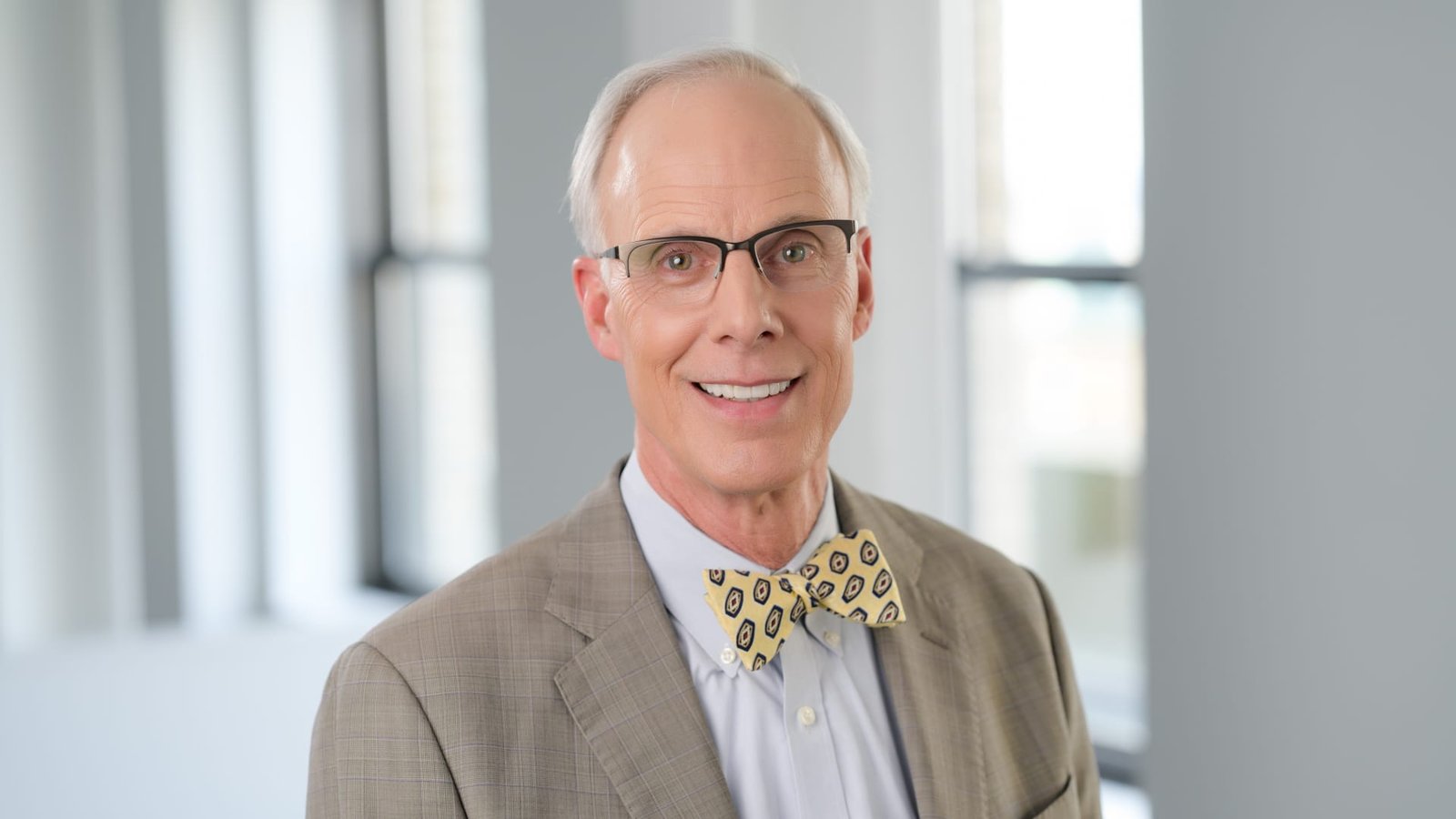
Charlie Clapp, co-chair of Howland Capital Management
Courtesy: Charlie Clapp
Charlie Clapp, co-chair of Howland Capital Management — ranked No. 1 on CNBC’s Financial Advisor 100 for 2026 — knows what it takes to get to the top of his field.
In his home office is the silver medal he won in the men’s eight rowing competition at the 1984 Summer Olympics in Los Angeles. It has tarnished over time, a testament to years of being handled by clients and friends.
He credits that accomplishment to hard work, discipline and the ability to pick yourself up after a setback and keep going. “If you look at it in a business sense, some of those same attributes spill over,” Clapp said.
But above all, “having a consistent group that you train with, race with, that’s what allows you to achieve success,” he said. “There is real value in all of those relationships.”
The firm, which was No. 7 on the 2025 list, landed at No. 1 this year after CNBC analyzed data from about 1,000 firms using a proprietary methodology that weighs factors including assets under management, industry experience and other key metrics.
‘There is always going to be something that trips the world up’
Howland, which started in 1967 as a family office based in Boston, maintains its tight-knit, family-office approach even as the number of clients has expanded to include over 400 families, foundations and small institutions after nearly 60 years in business.
“A lot of what appealed to me when I first met Tony still rings true today,” Clapp said of Weston “Tony” Howland III, the firm’s co-chair and CEO and son of its founder. “We take care of families, we go to weddings, we go to funerals, we get to know our clients extraordinarily well.”
Together, Howland Capital Management has $4 billion under management and more than 500 accounts.
Charlie Clapp’s 1984 Summer Olympics silver medal and patch.
Courtesy: Charlie Clapp
With multigenerational financial goals in mind, a key focus of the firm’s planning process is structuring assets through trusts that can benefit future generations. Taking a long-term view, often 10, 20 or even 30 years ahead, helps guide estate and wealth transfer decisions, Clapp said. About 65% of client assets are held in trusts, he said.
Rather than trying to predict future tax law changes, the firm works within the current code. “You can guess where Congress will go, and it never works,” he said. “We are dealing with the cards that are on the table.”
That strategy also helps the firm support clients during tumultuous times, Clapp said.
“There is always going to be something that trips the world up,” Clapp said. The first nine months of 2026 have been marked by inflation, war, tariffs and the Federal Reserve‘s first rate hike since 2023, among other market-moving events.
The key, he said, “is making sure you have a good, disciplined plan in place — that’s what really lets you ride out the uncertainty.”
‘It’s important that you are not reacting’
Wall Street has been on a bumpy ride in recent weeks, with Treasury yields hitting multiyear highs as traders anticipate more Fed rate hikes due to persistent inflation.
Still, Clapp remains largely unbothered by shifting Fed policy: “If the Fed chair is the Wizard of Oz, the only lever he has is the fed funds rate,” he said.
Clapp said the firm focuses on avoiding highly leveraged companies and floating-rate debt, instead favoring investments with dependable cash flows to support clients over the long term.
TJX Companies, Inc. is a perfect example of a high-quality, long-term holding for Howland Capital Management, according to Clapp. Strong and consistent cash generation has enabled the retailer to increase its dividend and “provide for a nice ‘annual raise’ for our clients,” he said. As a result, an investor who held the stock for 25 years now receives annual dividend income that represents a substantial return on their original investment.
This position enabled a client to make a charitable gift of more than $100,000 earlier this year through the transfer of 700 shares that originally cost less than $1,800, Clapp said. By donating appreciated stock, a client could avoid a significant capital gains tax liability while also getting a substantial charitable deduction. “The economics of philanthropy” is an “important component of what we do for our clients,” Clapp said.
The firm’s strategy has been “steady as it goes,” Clapp said, and the same is true for its investment approach. “It’s important that you are not reacting to all of these different things; you are staying ahead of them,” he said. “At some point in every year, the market has been down double digits and ended up double digits.”
On average, the broad market S&P 500 swings 33% between its highest and lowest closes in a given year, according to a CNBC analysis of market data.
At the end of 2025, the S&P notched its third straight double-digit annual advance but fell about 7% by March 30, 2026, when it closed at 6,344 — hitting its lowest point of the year. By mid-August, it had risen almost 23% from that bottom, reaching a new all-time high on Aug. 13.
As of market close on Oct. 7, the index is up nearly 14% year to date.
— Gabriel Cortes contributed to this report.
CNBC receives no compensation from placing financial advisory firms on our Financial Advisor 100 list. Additionally, a firm’s or advisor’s appearance in our ranking does not constitute an individual endorsement by CNBC of any firm or advisor.