EPFO pension after death: Can your spouse and children get your pension? Know eligibility, amount and rules
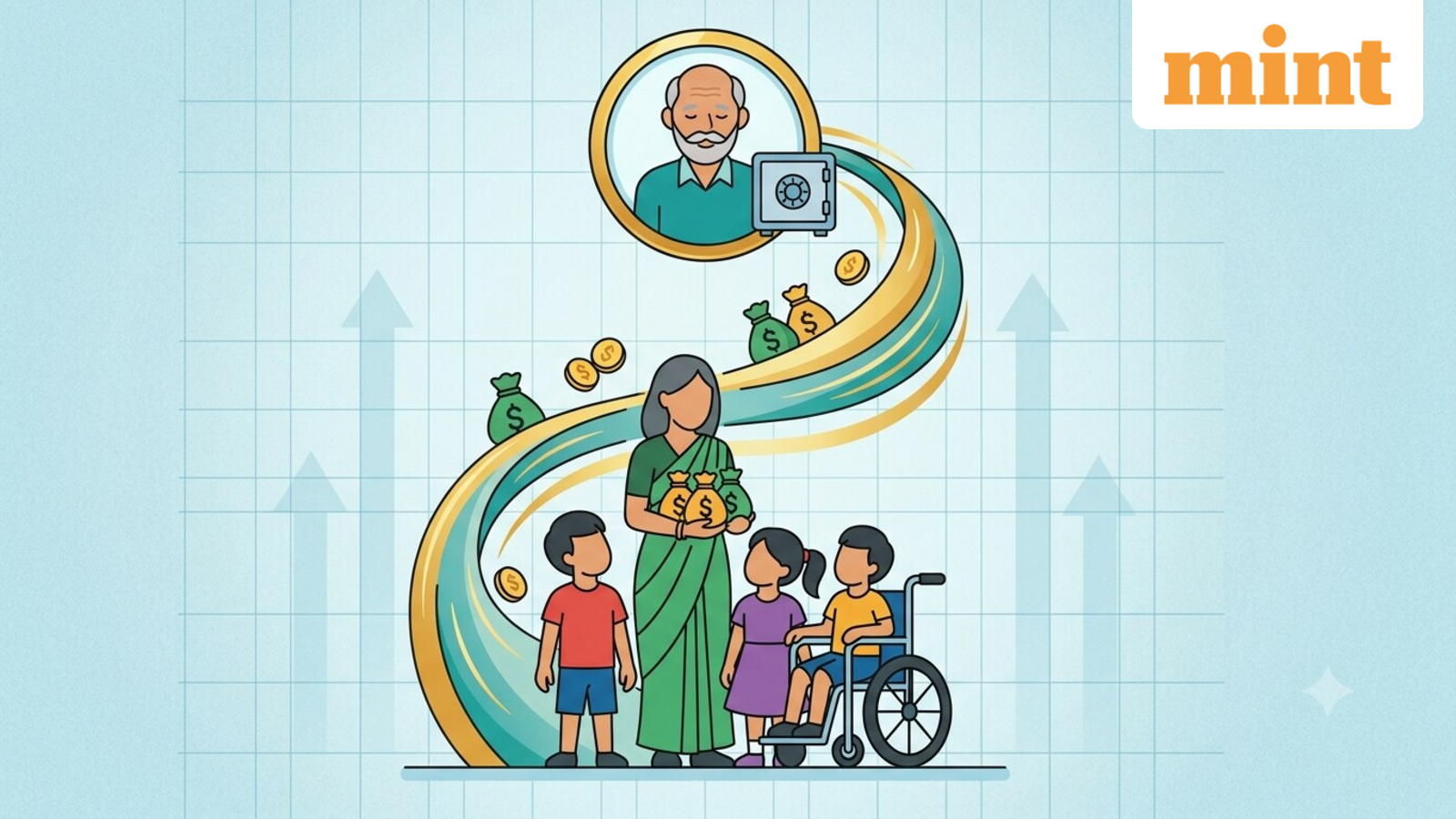
An EPFO pension is not necessarily lost when a pensioner dies. For families that depend on the monthly payout, the Employees’ Pension Scheme (EPS) provides a separate family pension for eligible spouses and children. However, the benefit is not automatically transferred to the family. The eligible members need to make a claim with EPFO and meet the scheme’s conditions.
The rules also determine how much the family can receive, who qualifies, how long the pension continues and what happens when there are children or dependants. Munab Ali Beik, Head, Compliance Advisory Practices at Core Integra, explains the key provisions families should know.
Does the spouse automatically get EPFO family pension?
No. The spouse does not automatically start receiving the pension after the pensioner’s death. The eligible family members need to notify the concerned EPFO Regional Office about the death so that the records can be updated.
The spouse, whether a widow or widower, must submit a prescribed family pension application to EPFO to initiate the claim, Beik said.
The spouse’s pension is payable until the spouse dies or remarries, whichever happens earlier.
The amount is also not the same as the pension the deceased was receiving. According to Beik, the widow or widower’s pension is calculated at 50% of the monthly pension received by the pensioner, subject to the applicable minimum pension provisions and the prescribed calculation under the scheme. The minimum family pension is ₹1,000 per month, he said.
For example, if the deceased pensioner was receiving a monthly pension of ₹10,000, the spouse’s family pension would be calculated at 50%, or ₹5,000, subject to the applicable rules.
What happens to the pension if there are children?
Children can also receive a family pension after the death of an EPS pensioner, subject to the scheme’s conditions.
According to Beik, a maximum of two children can receive the children’s pension, with eligibility extending up to the age of 25 years. The children’s pension is payable in addition to the widow or widower’s pension.
Each eligible child receives 25% of the pension amount payable to the pensioner, subject to a minimum of ₹250 per month, Beik said.
The children’s pension claim can be initiated after the pensioner’s death. Where there are more than two eligible children, the claim is considered in the prescribed order, starting from the eldest child.
Legally adopted children are also covered, subject to the applicable EPS provisions.
A disabled child gets a different benefit. In such cases, the family pension can continue for the lifetime of the disabled child, rather than ending when the child reaches 25.
What happens if both parents die?
The rules are different when children become orphans.
If both parents are deceased, or the widow or widower also dies, eligible children may qualify for an orphan pension, Beik said.
The orphan pension is calculated at 75% of the pension amount, subject to a minimum of ₹750 per month. It is generally payable until the child reaches 25 years of age.
For a child with a mental or physical disability, the pension can continue for the child’s lifetime, with no age limit, according to Beik.
This means an EPS pension does not simply disappear after the pensioner’s death. The scheme provides separate survivor benefits for the spouse, children and, in certain cases, orphaned or disabled children. However, the family must meet the eligibility conditions and complete the claim process with EPFO to start receiving the benefit.