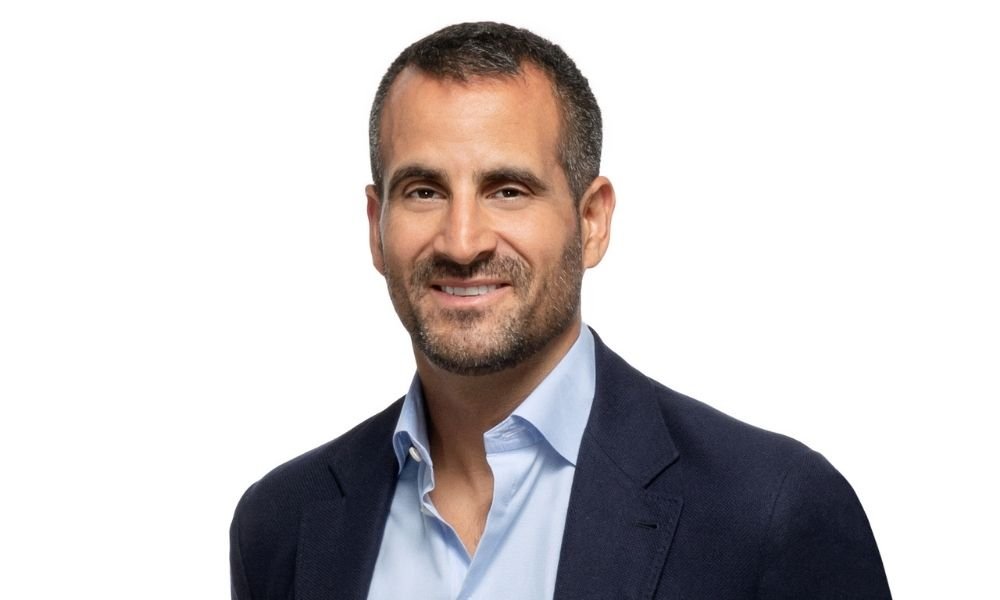
Som Seif believes the industry limits advisors’ answer to a crucial client question
“What clients start with is a hierarchy of needs, which begins with, ‘let me know if I’m going to be okay.’ That’s the first question that they need answered. The industry, both from how advisors can articulate it to their clients and how investors are hearing it, is not getting that answer.”
Why answering the question is so hard
Seif blames the difficulty advisors and clients have in answering that question on the infrastructure that exists in the industry. While he acknowledges that the industry has come a long way in making advisors into planners, there are still technological difficulties that come with planning at scale. He says that plans are often delivered as single transactions, and what the client largely experiences from then on are a series of account statements. They see columns breaking out investment returns and contribution limits, but they don’t see how all the pieces fit together for them. While the plan offers clients a snapshot answer of their fundamental question, the updates they receive are wrapped in the symbols and signifiers of a stock brokerage. The updates feel alienated from that initial plan.
What Seif believes clients and advisors want is a more ‘holistic’ financial relationship. He says that advisors should be able to work with clients on their daily spending, their mortgages, their lines of credit, and all the other aspects of a client’s financial life. Right now, however, he says that advisors largely lack the infrastructure to interact with clients beyond the realm of investment management. They lack the systems and the data to do more.
“That’s why advisors feel like they’re working with one arm behind their back,” Seif says.
Clients’ alienation from their plan is not the only consequence of this siloed financial services industry. Seif believes that because advisors are still rooted firmly in the world of investment management and product, they end up failing to fully grasp their clients’ goals and plans. People are inherently dynamic and as they change, advisors don’t have tools that can update their plans at the scale required for a practice. As a consequence, they become alienated from the client.