Know Your BDM: Calum Knight, Tab
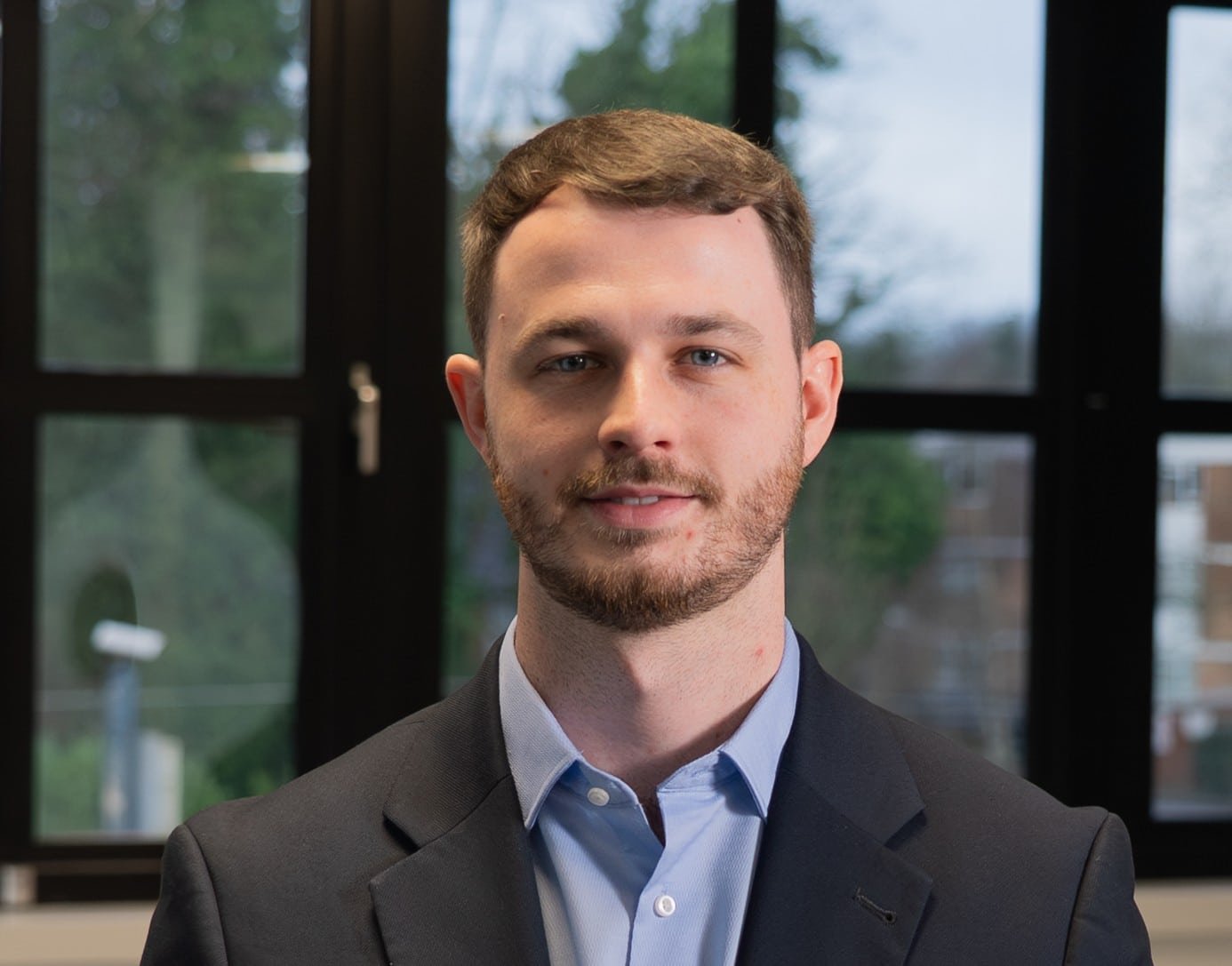
This week, Specialist Lending Solutions speaks to Calum Knight, business development manager (BDM) for East Anglia, Essex and Kent at Tab.
Which locations and how many advisers and broker firms do you cover in your role at Tab?
I cover brokers across East Anglia, Essex and Kent, working with around 450 brokers across approximately 200 firms. It is a varied patch, from town centres and coastal properties to rural businesses, and the cases are just as varied. The best part is that there is always another broker to meet and another interesting deal to work through.
What personal talent/skill is most valuable in doing your job?
I’m good at joining the dots. A broker might give me three or four pieces of information that don’t seem particularly significant on their own, but together, they can tell you a lot about the deal, the borrower and where the real obstacle is. That helps me ask better questions before we waste anyone’s time and deliver commercial mortgages at bridging speed – I want to bring momentum to lending.
What personal talent/skill would you most like to improve on?
I would like to get better at recognising when a case needs a clear answer rather than another round of questions. I always want to find a way to make a deal work, but a broker needs to know quickly if we cannot help. Think Tab, think transparency. Since we secured our new £200m facility in September – our third funding line – we have more capacity to support the cases that do fit.

Industry, not regulation, must lead later life lending change
Sponsored by Suffolk Building Society Intermediaries
What’s the hardest part of your job?
You can have a great solution and still lose the case if you don’t understand what the broker actually needs from you. Sometimes, they need an answer in 10 minutes; sometimes, they need help thinking through the structure and sometimes they just need you to tell them whether an idea is worth pursuing. Either you get the answer to your questions or you exercise your judgement; those calls can be a big part of the job.
What do you love most about your job?
The moment when a case goes from being an idea to something that is genuinely going to happen. You get a call from a broker, work through the details, see the shape of the transaction and then watch it progress. I get a real kick from helping turn a difficult conversation into a fundable deal.
Are there any misconceptions about your job/role?
That a BDM is only useful once a broker has an application ready to submit. I’d much rather get involved when the broker is still working out the best way to structure a case. A five-minute conversation early on can save hours of work later.
What’s the best bit of career-related advice you’ve been given? Who gave it to you?
Never be too proud to ask a question. It sounds obvious, but the best people I’ve worked with are not the ones who pretend to know everything. They are the ones who know what they know, recognise what they don’t and get the right person involved quickly. That’s all part of having a growth mindset – something the CEO is very keen on.
What has been the biggest lesson you’ve learned in your career?
Your reputation is built on what happens when things don’t go according to plan. Anyone can look good when a case is straightforward. The real test is how you behave when there is a problem.
How do you keep up to date with developments in the market?
I pay attention to what brokers say is coming across their desks rather than relying solely on the headlines in the national newspapers. Conversations with advisers, valuations, borrower behaviour and the types of cases we see at our end tell us where the pressure points are. And I read Solutions, obviously – who doesn’t!
What is the most quirky/unique property deal you’ve been involved in?
One that stands out involved two properties with several different uses. The main security was a farm with a house, annexe, converted farm buildings and land, bringing in income from residential and holiday lets, commercial units, car storage and vehicle restoration. The other property had a residential investment element and a car sales forecourt. We looked at first charges over each property and a second charge across both, with the borrower planning to exit onto a long-term commercial mortgage. It was the sort of case where the interesting part was understanding how all the pieces fitted together.
Tell us about your trickiest case – what happened and how did you resolve the problem(s)?
I tend to work through the structure in detail at the start, but valuations can still change things. On one refinance, the property valued below expectations, which would have brought the loan below our minimum. Because I understood the clients’ wider position, I brought in the right people to explore a second charge on their main residence as part of one loan, which could have improved the day-one net advance. We found a potential way forward, but the clients stopped responding and the deal did not complete, despite their need to refinance an existing bridge. Sometimes, the lending problem can be solved and the case still does not progress.
What was your motivation for choosing this career?
I liked the combination of people, property and commercial decision-making. You are dealing with different businesses, different borrowers and different circumstances every day; there’s always something new to work out.
What did you want to be growing up?
The honest childhood answer is an insurance broker. It may not be the most exciting answer, but I liked the idea of working with people and helping them solve problems. If I could go back and choose again, I would aim for Formula 1 driver.
If you could do any other job in the property sector, what would it be and why?
Assuming Lando Norris’ seat at McLaren isn’t available, I’d probably choose property development. I like the idea of taking something with a problem or an opportunity attached to it, working out what can be done and seeing the physical result at the end. It would also give you a very different perspective on what borrowers are asking their lenders to fund.
Where do you see yourself in five years?
I would like to have built a strong network across East Anglia, Essex and Kent – brokers who know they can call me when a case is outside the ordinary. If I am still the person they think of when something tricky lands on their desk, I will know I have done the job well.
If you could have one superpower, what would it be?
I’d choose the ability to stop time for 10 minutes whenever I needed it. Not to change anything – just to have enough time to think properly before making a decision when everything else is moving at 100 miles per hour.
What do you do to unwind?
I am not brilliant at switching off; I am usually thinking about the next deal, meeting or conversation. Taking Bucky, my dog, out helps, whether that is a long walk or a trip to a restaurant in London. I also enjoy gaming, golf and padel, and I occasionally play five-a-side with friends. If I am watching football, it is Arsenal.
What is your greatest skill(s), either work- or non-work-related?
Probably staying calm when there are a lot of moving parts. A broker does not need another person on the phone making a difficult case feel more difficult, so I try to be the person who brings some structure to the conversation, works out what needs doing and gets on with it.
And finally, what’s the strangest question you’ve ever been asked?
I cannot remember the strangest question I have actually been asked. A question I would like to have a go at, though, is: how many chicken nuggets could you eat in 10 minutes? I would back myself for 80-100, although I am in no hurry to test that theory.